
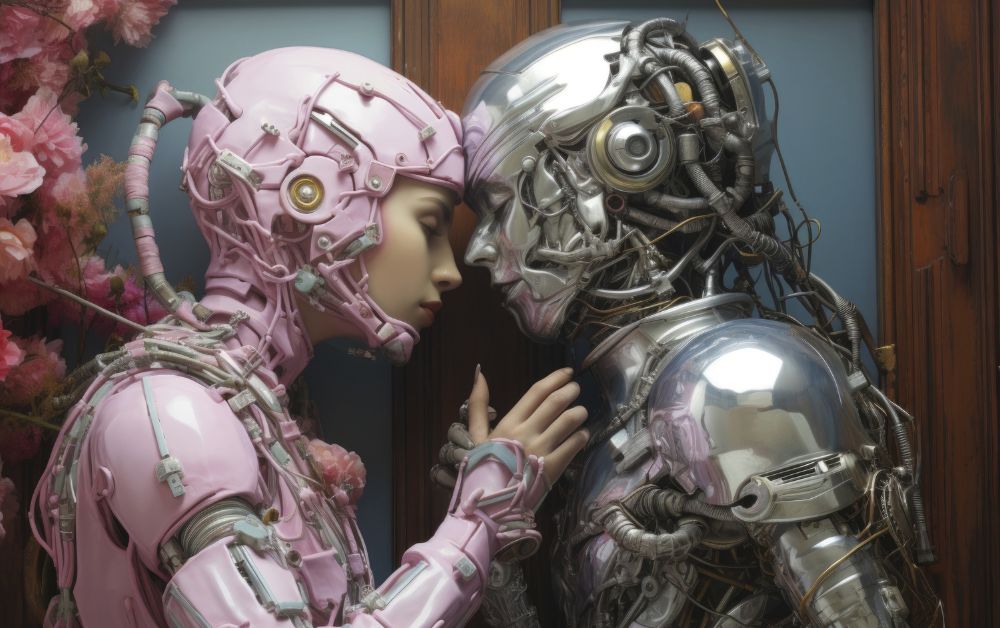
The robots of the 80s hold a special place in pop culture, technology, and human imagination. This was the decade when robots stopped being distant sc
The robots of the 80s hold a special place in pop culture, technology, and human imagination. This was the decade when robots stopped being distant science-fiction concepts and became vivid characters, factory workers, toys, and symbols of a high-tech future. From movie screens and TV shows to industrial assembly lines, robots in the 1980s reflected both excitement and fear about where technology was headed. Let’s take a deep dive into how the robots of the 80s emerged, what they represented, and why they still matter today.
The Rise of Robots in the 1980s
The 1980s were a turning point for technology. Computers were entering homes, video games were booming, and automation was reshaping industries. Robots fit perfectly into this narrative. Advances in electronics, microprocessors, and programming made robots more practical and visible than ever before.
Unlike earlier decades, where robots were mostly theoretical or limited to research labs, the robots of the 80s became tangible. They could be seen assembling cars, starring in blockbuster movies, and even sitting in children’s bedrooms as toys. This visibility made robots feel real and immediate.
Industrial Robots: The Silent Workforce
One of the most impactful uses of robots in the 1980s was in manufacturing. Automotive companies, especially in Japan, the United States, and Germany, adopted robotic arms for welding, painting, and assembly.
These robots of the 80s were not humanoid or friendly-looking. They were large, mechanical arms designed for precision and repetition. Their benefits were clear: faster production, fewer errors, and improved worker safety. However, they also sparked fears about job loss, a theme that echoed throughout the decade.
Robots of the 80s in Movies
Cinema played a massive role in defining how people viewed robots. The 1980s produced some of the most iconic robot characters in film history.
Movies like Star Wars (which continued its influence into the early 80s), The Terminator (1984), RoboCop (1987), and Short Circuit (1986) showcased robots as heroes, villains, and misunderstood beings. These films explored questions about artificial intelligence, humanity, and control.
The robots of the 80s in movies were often extreme representations. They were either lovable companions or unstoppable threats, reflecting society’s mixed feelings about rapidly advancing technology.
Television Robots and Pop Culture
Television also embraced robots during the 1980s. Shows like Knight Rider, Transformers, Voltron, and The Jetsons reruns kept robotic themes in living rooms worldwide.
Animated robots, especially transforming ones, became cultural icons. They symbolized power, intelligence, and futuristic adventure. These robots of the 80s weren’t just entertainment they shaped how an entire generation imagined technology and the future.
Toy Robots: A Childhood Revolution
The toy industry exploded with robot-themed products in the 1980s. Transformers, GoBots, and remote-controlled robots became must-have items for kids.
These toys were more than plastic figures. They encouraged imagination, storytelling, and even basic mechanical understanding. Some educational robot kits introduced simple programming concepts, planting early seeds for future engineers and developers.
Toy robots of the 80s made technology fun and approachable, long before coding apps and robotics clubs became common.
Japanese Influence on 80s Robots
Japan played a crucial role in shaping the robots of the 80s. The country led in both industrial robotics and robot-inspired media. Anime and manga featured complex robot narratives, often called “mecha,” with series like Gundam and Macross.
These stories treated robots not just as machines but as extensions of human will, emotion, and conflict. This philosophical approach influenced global storytelling and even modern robotics design.
Home Robots: Dreams vs. Reality
The 1980s were filled with optimism about home robots. Many believed robotic helpers would soon clean houses, cook meals, and manage daily tasks.
While some simple robotic devices appeared—like early robotic vacuums and programmable toys—the reality fell short of expectations. Still, the robots of the 80s laid the groundwork for today’s smart home devices and AI assistants.
The Fear Factor: Robots as a Threat
Not all feelings about robots were positive. The 1980s also saw rising anxiety about machines replacing humans. Films like The Terminator embodied fears of artificial intelligence going rogue.
This fear wasn’t entirely fictional. As factories automated, workers worried about job security. The robots of the 80s became symbols of both progress and uncertainty.
Technology Behind the Robots of the 80s
Compared to today, the technology behind 80s robots was limited. Processing power was low, sensors were basic, and true artificial intelligence was nonexistent. Most robots followed pre-programmed instructions rather than learning from experience.
Yet, for their time, these robots were groundbreaking. They proved that machines could perform complex physical tasks and interact with humans in simple ways.
How Robots of the 80s Influenced Modern Robotics
Modern robots owe a lot to their 1980s predecessors. The experimentation, public interest, and cultural impact of that decade pushed governments and companies to invest in robotics research.
Today’s AI-powered robots, autonomous vehicles, and humanoid machines are built on foundations laid during the 80s. The decade normalized the idea of living and working alongside machines.
Why Robots of the 80s Still Matter
Even decades later, the robots of the 80s continue to inspire. Retro robot designs influence modern movies, games, and product aesthetics. More importantly, the ethical questions raised in the 1980s about control, responsibility, and humanity are still relevant.
As artificial intelligence advances, we’re revisiting many of the same conversations first sparked by those early robots.
Conclusion
The robots of the 80s were more than machines; they were mirrors reflecting society’s hopes and fears about technology. They revolutionized industries, dominated pop culture, and inspired generations to dream about the future. While their capabilities were limited by today’s standards, their impact was enormous. Understanding the robots of the 80s helps us appreciate how far robotics has come—and reminds us that the relationship between humans and machines has always been deeply emotional and complex.
FAQs About Robots of the 80s
- What were the most famous robots of the 80s?
Some of the most famous robots of the 80s include the Terminator, RoboCop, R2-D2, C-3PO, and the Transformers. - Were robots widely used in the 1980s?
Yes, especially in manufacturing. Industrial robots became common in factories, particularly in the automotive industry. - Did people fear robots in the 80s?
Yes, many people worried about job loss and loss of control, which was reflected in movies and media of the time. - How advanced were robots of the 80s compared to today?
Robots of the 80s were mostly pre-programmed with limited intelligence, unlike today’s AI-driven and learning-based robots. - Why are robots of the 80s still popular today?
They are popular due to nostalgia, iconic designs, and their lasting influence on modern robotics and pop culture.

COMMENTS