
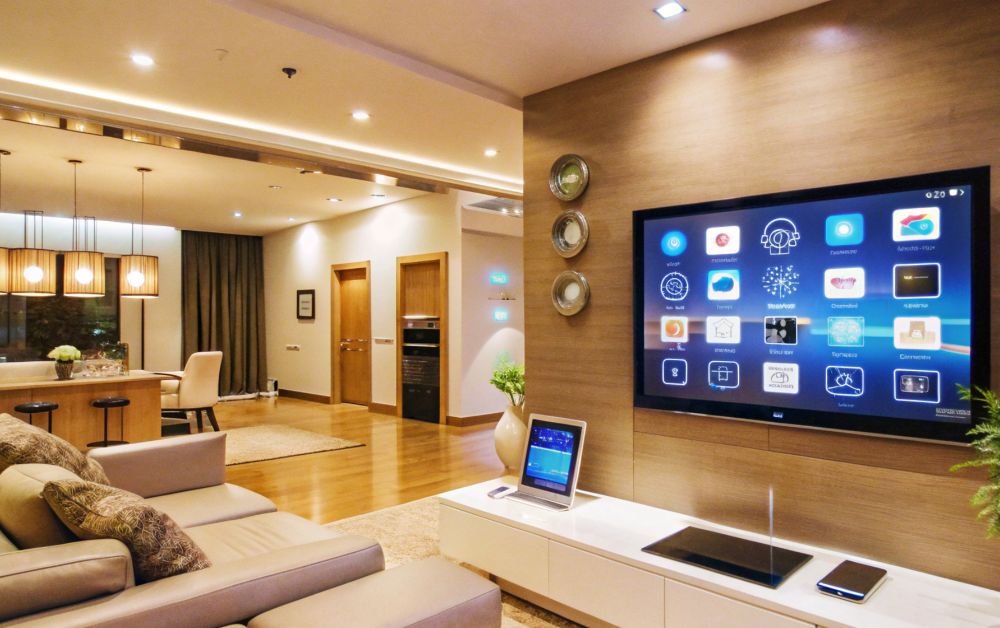
Smart TVs have quietly become the heart of modern living rooms. They are no longer just screens for watching shows; they are platforms where entertain
Smart TVs have quietly become the heart of modern living rooms. They are no longer just screens for watching shows; they are platforms where entertainment, convenience, and technology meet. At the center of this experience are smart TV operating systems, and two names often come up in discussion: webOS vs Tizen. Both systems are widely used, highly refined, and designed to make everyday viewing smoother and more enjoyable. Yet, they offer slightly different experiences, each with its own personality.
This article takes a calm and meaningful look at webOS vs Tizen, helping you understand how they differ, what they do well, and which one might feel more natural for your home. Rather than rushing through technical comparisons, we will explore them thoughtfully, focusing on real-life use and gentle impressions.
webOS vs Tizen: Which Smart TV Platform Feels Right for You?
When people search for webOS vs Tizen, they are often not looking for a winner, but for clarity. Both systems are mature and capable, yet the way they present information and respond to users can feel quite different. Choosing between them often comes down to personal comfort rather than raw specifications.
webOS, developed by LG, is known for its smooth flow and visual simplicity. Tizen, created by Samsung, emphasizes speed, integration, and a slightly more feature-driven approach. Understanding how these philosophies translate into daily use makes the comparison far more meaningful.
Understanding webOS: A Smooth and Visual Experience
webOS is often praised for its clean and friendly interface. The home screen typically appears as a horizontal bar that overlays the content you are watching, allowing you to switch apps without fully leaving your show. This design choice gives webOS a calm and unobtrusive feel.
Navigation on webOS feels intuitive, even for users who are not particularly tech-savvy. Icons are large, colorful, and easy to recognize. The system seems designed to reduce decision fatigue, guiding users gently rather than overwhelming them. For families or casual viewers, this simplicity can feel reassuring.
Understanding Tizen: Speed and Smart Integration
Tizen offers a slightly different energy. Its interface is also clean, but it often emphasizes speed and responsiveness. Apps load quickly, menus feel snappy, and the system integrates deeply with Samsung’s ecosystem of devices.
For users who enjoy smart home features or already use Samsung phones and appliances, Tizen can feel like a natural extension of their digital life. It supports multitasking smoothly and often places more options within easy reach, appealing to those who like having control at their fingertips.
Ease of Use in Everyday Life
In the webOS vs Tizen discussion, ease of use is one of the most important factors. webOS tends to feel relaxed and straightforward. It encourages exploration without pressure, making it ideal for viewers who want technology to stay quietly in the background.
Tizen, while still user-friendly, may feel more dynamic. Its menus can display more information at once, which some users appreciate and others may find slightly busy. Neither approach is wrong; they simply reflect different design philosophies.
App Availability and Content Access
Both webOS and Tizen support major streaming platforms, including popular video, music, and news apps. From a content perspective, the difference between webOS vs Tizen is minimal for most users. You can comfortably stream, browse, and enjoy entertainment on either system.
Where they differ slightly is in app discovery and presentation. webOS often highlights recommendations in a softer, less intrusive way, while Tizen may showcase featured content more prominently. This subtle difference can influence how relaxed or guided your browsing experience feels.
Performance and Stability Over Time
Performance is another key aspect when comparing webOS vs Tizen. Both systems are optimized for smooth operation on their respective TVs. In general, webOS feels steady and consistent, rarely surprising users with sudden changes.
Tizen is known for its responsiveness and quick transitions. It often feels energetic, especially when switching between apps or using advanced features. Over time, both systems have proven reliable, with updates focused on refinement rather than drastic redesigns.
Customization and Personal Touch
Customization options can shape how personal a TV feels. webOS allows for modest customization, focusing on keeping the experience simple and balanced. This approach suits users who prefer not to spend time adjusting settings.
Tizen offers slightly more flexibility, especially for users who enjoy tailoring their interface or connecting multiple devices. This can be appealing for tech enthusiasts who want their TV to reflect their broader digital setup.
Voice Control and Smart Features
Voice assistants play an increasing role in smart TVs. Both webOS and Tizen support voice control, making tasks like searching for shows or adjusting settings more natural. The experience is generally smooth on both platforms, though integration may feel deeper on Tizen for users already invested in Samsung’s ecosystem.
In the webOS vs Tizen comparison, voice features are less about competition and more about convenience. Each system aims to reduce friction and make interaction feel effortless.
Long-Term User Experience
Over months and years, the true nature of a smart TV platform reveals itself. webOS tends to age gracefully, maintaining its calm and accessible design. Users often describe it as reliable and comfortable, like a familiar routine.
Tizen evolves with a slightly faster pace, introducing new features and integrations. For some, this feels exciting and modern; for others, it may feel more active than necessary. Understanding your preference for change versus consistency can guide your choice.
Conclusion
The debate of webOS vs Tizen is not about which system is better in absolute terms, but about which one feels right for you. webOS offers a gentle, visually soothing experience that prioritizes ease and comfort. Tizen delivers speed, smart integration, and a more dynamic interface that suits connected lifestyles.
Both platforms are capable, polished, and designed to enhance everyday entertainment. By focusing on how you interact with your TV and what kind of experience brings you comfort, you can confidently choose the system that fits your home best.
FAQs
What is the main difference between webOS vs Tizen?
The main difference lies in design philosophy: webOS focuses on simplicity and visual calm, while Tizen emphasizes speed and smart integration.
Is webOS easier to use than Tizen?
Many users find webOS slightly easier due to its clean layout, though ease of use ultimately depends on personal preference.
Do webOS and Tizen support the same apps?
Both platforms support most major streaming and entertainment apps, making content access similar on each system.
Which system is better for smart home integration?
Tizen often feels more integrated with smart home devices, especially within the Samsung ecosystem.
Does webOS or Tizen receive regular updates?
Both systems receive updates focused on performance, security, and user experience improvements.

COMMENTS