
Introduction Technology continues to influence almost every part of modern life, creating new opportunities for people with technical knowledge and p
Introduction
Technology continues to influence almost every part of modern life, creating new opportunities for people with technical knowledge and practical skills. Students who are interested in engineering, computing, electronics, software, or other technical fields often consider a technology-focused undergraduate degree. A Bachelor of Technology (B.Tech) is a popular option that combines theory with hands-on learning and prepares students for a wide range of technical careers. Understanding the available courses, specializations, skills, admission requirements, and career options can help students make a more informed decision about their education and future goals.
What Is a Bachelor of Technology (B.Tech)?
A Bachelor of Technology (B.Tech) is an undergraduate degree that focuses on applied technology, engineering principles, and practical problem-solving. The degree’s structure varies by country and institution, including its duration, admission requirements, curriculum, and specialization options.
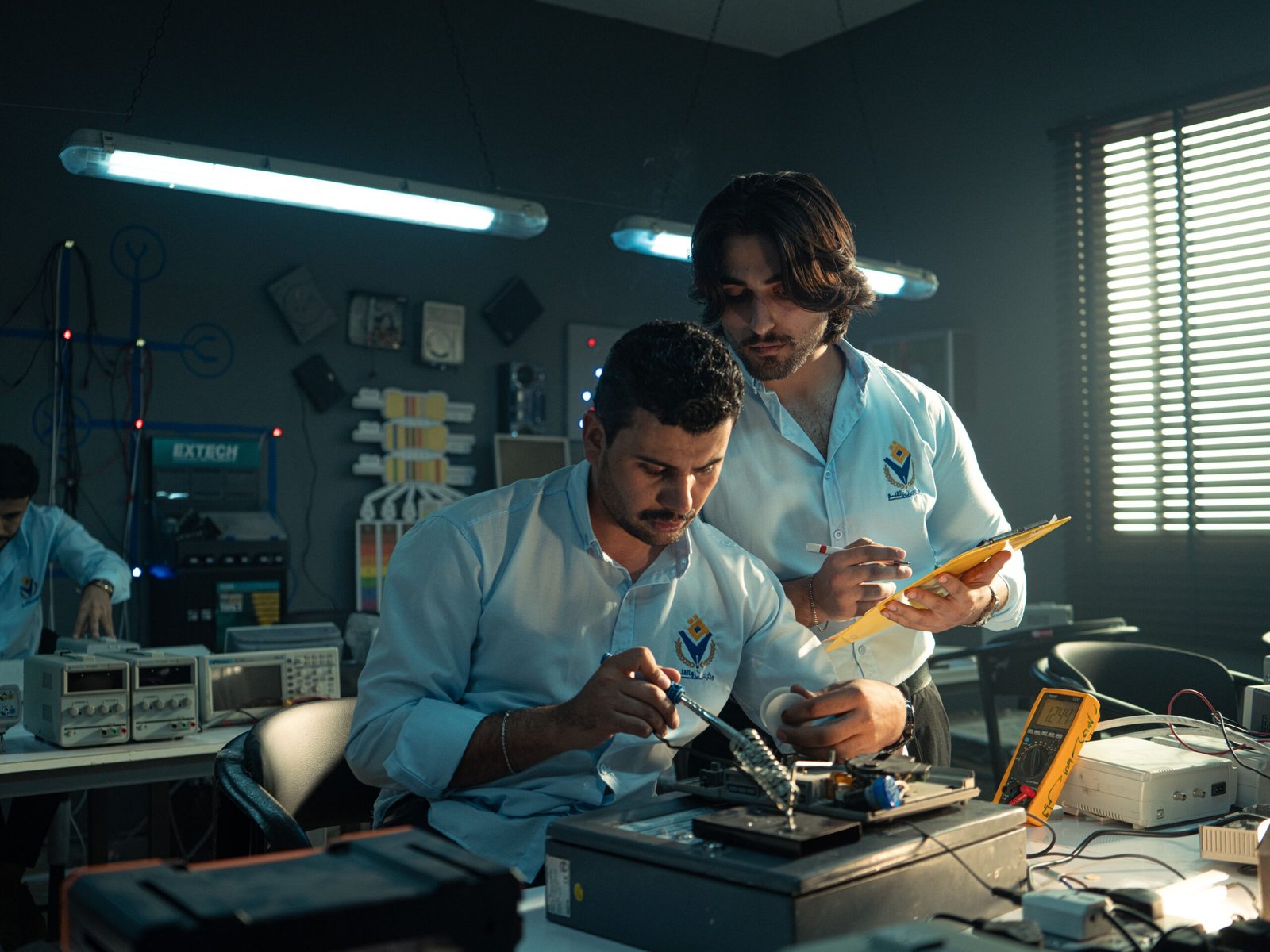
B.Tech programs generally combine classroom learning with laboratory work, technical projects, assignments, and practical training. Students learn how technological systems work and how to apply their knowledge to real-world problems. Depending on the chosen specialization, the curriculum may focus on software development, electronics, mechanical systems, civil infrastructure, information technology, or emerging technologies.
Popular B.Tech Specializations
One of the major advantages of a B.Tech program is the variety of specializations available. Students can select an area that matches their interests and career plans.
Computer Science and Engineering
Computer Science is one of the most popular technology fields. Students typically study programming, algorithms, databases, operating systems, computer networks, software engineering, and other computing concepts. Graduates may pursue careers in software development, web development, cloud computing, cybersecurity, and related areas.
Information Technology
Information Technology focuses on the practical use and management of computer systems. Courses may cover networking, databases, software applications, system administration, cybersecurity, and IT infrastructure. This specialization can prepare students for technical support, systems administration, IT consulting, and other technology roles.
Electronics and Communication
This field focuses on electronic systems, communication technologies, circuits, digital systems, and related engineering concepts. It can lead to opportunities in telecommunications, embedded systems, electronics manufacturing, automation, and technical research.
Mechanical Engineering
Mechanical engineering deals with machines, manufacturing, materials, thermodynamics, design, and mechanical systems. Students can develop skills that are relevant to manufacturing, automotive industries, energy, robotics, and product development.
Civil Engineering
Civil engineering focuses on infrastructure and the built environment. Students may study structural design, construction, transportation, environmental systems, surveying, and related subjects. Career opportunities can include construction, infrastructure development, project management, and engineering consultancy.
Common Subjects in a B.Tech Program
The subjects taught in a Bachelor of Technology (B.Tech) program depend heavily on the chosen specialization. However, students often study mathematics, basic sciences, engineering fundamentals, technical communication, computer applications, and problem-solving methods during the early stages of their degree.
Specialized subjects are introduced as students progress through the program. Computer Science students may study data structures, programming, artificial intelligence, databases, and software engineering. Mechanical students may focus on machine design, manufacturing, fluid mechanics, and thermodynamics, while electronics students may study circuits, microprocessors, communication systems, and digital electronics.
Practical laboratory sessions and projects are also important because they allow students to apply theoretical concepts to real-world problems.
Skills You Can Develop
A B.Tech degree can help students develop a combination of technical and professional skills. Technical abilities vary according to the specialization, but problem-solving, analytical thinking, mathematics, research, and project management are commonly valuable.
Students also develop communication and teamwork skills by working on group assignments and technical projects. Time management and attention to detail can be equally important because technology-related work often involves complex tasks and strict requirements.
Internships, practical projects, competitions, and personal projects can further strengthen these skills and give students experience beyond classroom learning.
Admission Requirements

Bachelor of Technology (B.Tech)
Admission requirements for a Bachelor of Technology (B.Tech) vary significantly by country, university, specialization, and education system. Many institutions require applicants to complete secondary or higher secondary education with specific subjects, particularly mathematics and science for certain engineering programs.
Some universities use entrance examinations, merit-based admission, interviews, or other selection methods. International students may have additional requirements related to language proficiency, documentation, or qualification recognition.
Before applying, students should check the official requirements of each institution, including eligibility, application deadlines, tuition fees, entrance tests, and required academic subjects.
Career Opportunities After B.Tech
A B.Tech degree can open career opportunities across technology, engineering, manufacturing, construction, telecommunications, and other industries. The available roles depend on the student’s specialization, experience, location, and additional qualifications.
Computer-related graduates may work as software developers, web developers, system administrators, data professionals, cybersecurity specialists, or cloud technology professionals. Electronics graduates can explore telecommunications, embedded systems, automation, and electronics engineering roles.
Mechanical graduates may work in manufacturing, automotive engineering, maintenance, product development, or industrial operations. Civil engineering graduates can pursue opportunities in construction, infrastructure, structural projects, and engineering consultancy.
Some graduates also continue their education through postgraduate degrees, professional certifications, or specialized training.
Benefits of Studying B.Tech
One of the key benefits of a B.Tech degree is its combination of academic knowledge and practical application. Students have the opportunity to understand technical concepts while working on projects and laboratory activities.
The degree also provides flexibility because graduates can work across different industries depending on their specialization and additional skills. Technology continues to evolve, creating opportunities for professionals who are willing to keep learning and adapt to new tools and technologies.
Another advantage is the opportunity to build a professional network through internships, university projects, industry events, and interactions with instructors and other students.
Challenges to Consider
A B.Tech program can be demanding because it often involves mathematics, technical subjects, laboratory work, projects, and examinations. Students may need strong time-management skills to balance multiple assignments and deadlines.
The technology industry also changes quickly. Graduates cannot always rely only on what they learned during their degree. Continuous learning, certifications, practical experience, and awareness of industry trends can help professionals remain competitive.
Choosing a specialization can also be challenging. Students should consider their interests, strengths, career goals, and the types of work they would enjoy before making a decision.
Conclusion
A Bachelor of Technology (B.Tech) can provide a strong foundation for students who want to build careers in technology and engineering. With specializations ranging from computer science and information technology to mechanical, civil, and electronics engineering, students can choose an educational path that matches their interests. The degree can develop technical knowledge, problem-solving abilities, practical experience, and professional skills. However, success after graduation depends not only on the qualification but also on continuous learning, practical experience, and the ability to adapt to changing industry requirements.
FAQs
1. What does B.Tech stand for?
B.Tech stands for Bachelor of Technology, an undergraduate degree focused on technology, engineering, and practical technical applications.
2. How long does a B.Tech degree take?
The duration varies by country and institution. In many education systems, it is typically completed over several years of full-time study.
3. Which B.Tech specialization is best?
There is no single best specialization for everyone. Computer science, IT, electronics, mechanical, and civil engineering can all offer different career paths. The right choice depends on your interests and career goals.
4. What skills are useful for B.Tech students?
Problem-solving, analytical thinking, mathematics, communication, teamwork, technical knowledge, and time management are valuable skills for B.Tech students.
5. Can I get a job after completing B.Tech?
Yes. Graduates can apply for technical and engineering roles related to their specialization. Internships, practical projects, certifications, and relevant skills can improve employment opportunities.

COMMENTS