Introduction
Robotics is changing how people work, explore, and interact with environments that are difficult or dangerous to reach. From deep-sea research to space missions, robots are helping humans complete tasks without being physically present at the location. One important development in this field is the use of long distance robots.
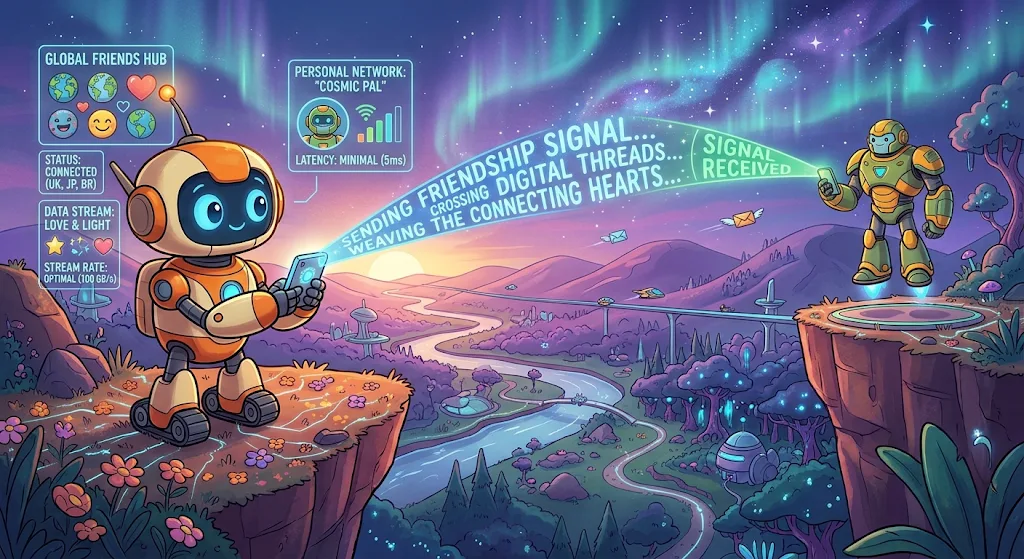
Long distance robots are robotic systems that can operate or be controlled across significant distances. They may use wireless networks, satellite communication, specialized control systems, or autonomous technologies to perform tasks far away from their operators. These robots can help people inspect remote locations, collect valuable information, and complete work in challenging environments.
As communication technology and artificial intelligence continue to improve, long distance robots are becoming increasingly useful in industries such as healthcare, manufacturing, agriculture, mining, and exploration.
This article explains what long distance robots are, how they work, their major applications, benefits, challenges, and their potential role in the future of remote work and exploration.
What Are Long Distance Robots?
Long distance robots are robotic systems designed to perform tasks over a considerable distance from their human operators or control stations. Depending on their purpose, they may be remotely controlled, partially autonomous, or capable of operating independently for specific tasks.
These robots can take many forms. Some are ground-based machines used for industrial inspections, while others are underwater vehicles, aerial drones, or robotic systems designed for space exploration.
The defining feature is their ability to work beyond the immediate physical reach of a human operator.
For example, an engineer may use a remotely operated robot to inspect a pipeline located in a dangerous area. A scientist may control an underwater robot to explore the ocean floor. In space exploration, robotic systems can collect information from locations where sending humans would be difficult or expensive.
Long distance robots allow people to extend their capabilities beyond familiar and accessible environments.
How Do Long Distance Robots Work?
Long distance robots rely on a combination of hardware, communication systems, software, and control technologies.
1. Communication Systems
Communication is one of the most important parts of long distance robotics. A robot needs a way to receive instructions and send information back to its operator.
Depending on the application, communication may use Wi-Fi, cellular networks, radio links, fiber-optic cables, or satellite connections.
For example, a robot operating in a remote agricultural field may use a cellular connection, while an underwater robot may rely on a tether or specialized acoustic communication.
The communication method depends on the environment, distance, bandwidth requirements, and reliability needs.
2. Sensors and Cameras
Long distance robots often use cameras and sensors to understand their surroundings.
Cameras can provide visual information, while other sensors may measure temperature, pressure, distance, movement, or environmental conditions.
This information helps operators monitor the robot and make informed decisions. In some systems, sensors also support autonomous navigation and obstacle detection.
3. Remote Control and Autonomous Operation
Some long distance robots are controlled directly by human operators. The operator sends commands and receives feedback from the robot.
Other robots can perform certain tasks autonomously. For example, a robot may follow a planned route, avoid obstacles, or collect data without requiring constant human input.
Many modern systems combine both approaches. Human operators provide overall direction, while the robot handles routine actions automatically.
4. Artificial Intelligence
Artificial intelligence can help robots interpret sensor information, recognize objects, plan movements, and respond to changing conditions.
AI can also support predictive maintenance by analyzing equipment data and identifying possible problems before they become serious.
However, the level of intelligence varies between robotic systems. Not every long distance robot uses advanced AI, and autonomous performance depends on the environment, software, and available data.
Major Applications of Long Distance Robots
1. Space Exploration
Space exploration is one of the most important applications of long distance robotics.
Robotic rovers and spacecraft can explore distant planets, moons, and other celestial environments. They collect images, study geological features, and gather scientific data that helps researchers understand the universe.
Robots are especially valuable because space missions involve extreme temperatures, radiation, limited resources, and significant risks to human life.
Communication delays can also affect how these robots are controlled. When a spacecraft is far from Earth, commands and responses may take considerable time to travel. This makes autonomous functions and carefully planned operations essential.
Long distance robots allow scientists to investigate locations that humans cannot currently reach safely.
2. Remote Industrial Inspections
Industries such as oil and gas, energy, construction, and manufacturing often operate in difficult environments.
Long distance robots can inspect pipelines, storage tanks, power facilities, and industrial equipment. They may use cameras, sensors, and specialized tools to identify damage or collect measurements.
Remote inspections can reduce the need for workers to enter confined spaces, climb structures, or approach hazardous machinery.
Robots can also help companies monitor equipment more frequently, potentially improving maintenance planning and reducing unexpected downtime.
3. Healthcare and Remote Medical Assistance

Robotic technologies are creating new opportunities in healthcare.
Some medical robots allow trained professionals to perform procedures with robotic assistance. Other systems can support remote monitoring, rehabilitation, or the delivery of supplies within healthcare facilities.
In certain situations, remote robotic systems may help medical teams provide assistance across geographic distances. However, these applications require reliable communication, appropriate training, regulatory compliance, and careful safety procedures.
Long distance robotics does not eliminate the need for healthcare professionals. Instead, it can provide additional tools for delivering care and supporting medical work.
4. Agriculture and Farming
Agriculture is another field where long distance robots can provide practical benefits.
Robotic systems may help farmers monitor crops, inspect fields, identify irrigation problems, and perform certain agricultural tasks. Drones can collect aerial images, while ground robots may assist with field monitoring or precision operations.
Remote access can be especially useful when farms cover large areas or when certain locations are difficult to reach.
By combining robotics with sensors and data analysis, farmers may be able to make more informed decisions about water use, crop health, and resource management.
5. Disaster Response and Hazardous Environments
After earthquakes, fires, industrial accidents, or other emergencies, entering a damaged area can be dangerous.
Long distance robots can help emergency teams inspect unstable structures, search for signs of life, and collect information about hazardous conditions.
Robots may be equipped with cameras, thermal sensors, or other tools that help responders understand the situation before entering.
These systems can reduce exposure to danger, although their effectiveness depends on communication reliability, terrain, battery life, and the robot’s design.
Benefits of Long Distance Robots
Long distance robots offer several advantages across different industries.
Improved safety: Robots can perform tasks in hazardous environments, reducing the need for people to enter dangerous locations.
Remote access: Operators can work with equipment or environments located far away from their physical location.
Operational efficiency: Robots may help complete repetitive inspections and routine tasks more consistently.
Data collection: Sensors and cameras can collect useful information from locations that are difficult to access.
Reduced travel requirements: Remote operation may reduce the need for workers or specialists to travel to certain sites.
Support for exploration: Robots can investigate environments that are inaccessible or unsuitable for humans.
The actual benefits depend on the task, robot design, operating environment, and quality of communication systems.
Challenges of Long Distance Robotics
Despite their advantages, long distance robots face several technical and practical challenges.
Communication Delays
A robot may experience delays between receiving a command and sending back information. This can make precise remote control difficult, especially when operating over very long distances.
Autonomous functions can help reduce dependence on continuous communication.
Connectivity Problems
Remote environments may have weak or unreliable network coverage. Buildings, terrain, underwater conditions, and atmospheric interference can affect communication.
Robots need appropriate communication systems and fallback procedures to operate safely.
Cost and Maintenance
Advanced robotic systems can be expensive to design, purchase, and maintain. Organizations may also need trained operators, technical support, and specialized infrastructure.
Security Risks
Connected robots may be vulnerable to unauthorized access or cyberattacks. Strong authentication, secure communication, software updates, and careful system management are important for protecting robotic operations.
Environmental Limitations
Robots must be designed for the conditions in which they operate. Extreme temperatures, dust, water pressure, radiation, and rough terrain can affect performance.
The Future of Long Distance Robots
The future of long distance robots is closely connected to developments in AI, communication networks, sensors, and battery technology.
More capable autonomous systems may allow robots to perform complex tasks with less direct supervision. Improved communication networks may support faster control and better access to remote locations.
Robots may also become more adaptable, allowing them to work in environments that previously required specialized equipment.
In the coming years, long distance robotics could play a greater role in infrastructure maintenance, environmental research, agriculture, healthcare, and space exploration.
However, progress will also require attention to safety, privacy, reliability, and responsible use. Human oversight will remain important, particularly in situations where robotic decisions can affect people or critical infrastructure.
Frequently Asked Questions
What are long distance robots?
Long distance robots are robotic systems that can operate or be controlled over significant distances. They may be remotely operated, autonomous, or use a combination of both methods.
How are long distance robots controlled?
They can be controlled through communication systems such as radio links, cellular networks, satellite connections, or specialized wired systems. Some robots also use autonomous software to perform tasks without constant human commands.
Where are long distance robots used?
They are used in space exploration, industrial inspections, healthcare, agriculture, disaster response, underwater research, and other environments where remote access is valuable.
What is the main benefit of long distance robots?
One major benefit is that they allow people to perform tasks in distant or hazardous environments while reducing the need for direct human presence.
Will long distance robots replace human workers?
Long distance robots are more likely to change how certain tasks are performed rather than replace every human role. They can handle specific operations, while people continue to provide planning, supervision, judgment, and technical expertise.
Conclusion
Long distance robots are transforming remote work and exploration by allowing people to operate machines across significant distances. Through communication systems, sensors, AI, and remote control technologies, these robots can inspect industrial facilities, support agricultural work, assist with disaster response, and explore environments beyond human reach.
Their ability to reduce risk, collect data, and extend human capabilities makes them valuable across many industries. At the same time, challenges such as communication delays, connectivity, maintenance, and cybersecurity must be addressed.
As robotics technology continues to advance, long distance robots are likely to become an increasingly important part of how people work, research, and explore. Their greatest potential lies in combining robotic capabilities with human knowledge, supervision, and responsible decision-making.