
Introduction
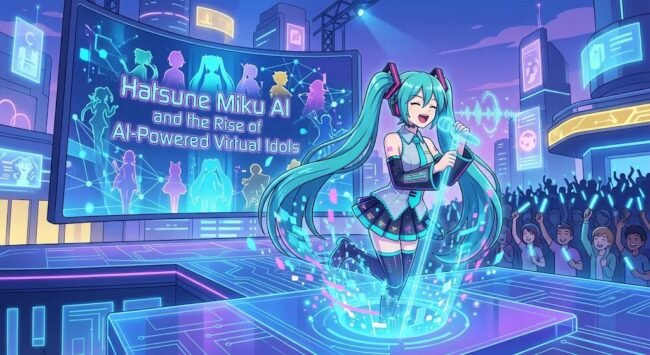
Artificial intelligence is changing the entertainment industry, from music production and songwriting to digital performances and virtual characters. One of the most recognizable figures in this space is Hatsune Miku, a virtual singer who has built a global fanbase through music, live concerts, digital creativity, and fan-created content. As AI technology continues to evolve, the concept of virtual idols is becoming more advanced, interactive, and accessible.
Hatsune Miku AI represents the growing connection between virtual characters and artificial intelligence. While Miku originally became famous through vocal synthesis technology, modern AI tools are expanding the possibilities of virtual music, character interactions, voice experimentation, and digital performances. This evolution is helping shape a new generation of AI-powered virtual idols.
Who Is Hatsune Miku?
Hatsune Miku is a fictional virtual singer developed around voice synthesis technology. She is recognized for her turquoise twin-tailed hairstyle, futuristic appearance, distinctive voice, and energetic musical performances. Rather than being a traditional singer, Miku functions as a digital character whose voice can be used by music creators to produce original songs.
Her popularity grew because musicians, producers, artists, and fans could create content featuring her. This community-driven approach helped her become more than a software product. Hatsune Miku developed into a cultural phenomenon involving concerts, merchandise, video games, fan art, music releases, and digital collaborations.
Her success also demonstrated that audiences could form strong connections with virtual characters even when they were not portrayed by real human performers.
How AI Is Transforming Virtual Idols
Artificial intelligence is introducing new possibilities for virtual idols. Earlier vocal synthesis tools mainly focused on converting lyrics and musical notes into synthesized vocals. Modern AI systems can support more expressive audio generation, voice processing, conversational experiences, and creative workflows.
AI-powered virtual idols may be able to:
- Generate more expressive and natural-sounding vocal performances.
- Respond interactively to fans through AI-powered conversations.
- Assist creators with lyrics, melodies, and music production.
- Create personalized digital content for different audiences.
- Participate in virtual livestreams and immersive entertainment experiences.
These developments are making virtual characters feel more interactive and adaptable. However, not every AI feature associated with virtual singers is officially part of Hatsune Miku’s products. Many experiences are created using independent AI tools, fan projects, or third-party platforms.
Hatsune Miku AI and AI Music Creation
AI music technology is helping creators experiment with new musical styles, arrangements, lyrics, and vocal effects. Hatsune Miku has always been closely connected to creative music communities, making her a natural subject for experimentation with emerging AI technologies.
Creators can use AI-assisted workflows to explore song ideas, develop melodies, improve arrangements, and experiment with different musical genres. Virtual vocals can also be combined with digital instruments, electronic beats, and visual effects to produce unique music experiences.
The important distinction is that Hatsune Miku’s traditional vocal synthesis ecosystem is not identical to generative AI music platforms. AI tools can complement existing music software, but the results depend on the tools, licenses, and creative decisions used by the producer.
The Rise of AI-Powered Virtual Idols
Virtual idols are becoming increasingly popular because they combine digital personalities with entertainment, storytelling, music, and technology. Unlike traditional celebrities, virtual performers can exist across multiple digital platforms simultaneously and maintain consistent visual identities.
AI is taking this concept further by making virtual characters more responsive. AI-powered avatars can potentially interact with fans, answer questions, participate in livestreams, and create more personalized entertainment experiences.
Hatsune Miku helped establish the idea that a virtual singer could become a mainstream entertainment icon. Today’s AI developments are building on that concept by exploring how digital characters can become more interactive without losing the creative identity that makes them appealing.
AI Virtual Concerts and Interactive Fan Experiences
Virtual concerts are one of the most exciting areas of digital entertainment. Hatsune Miku performances combine projected visuals, music, synchronized lighting, and live musicians to create an immersive concert atmosphere.
With advancements in AI, future virtual concerts could include more dynamic visuals, adaptive performances, interactive audience experiences, and personalized content. Fans might participate in digital environments where virtual idols respond to audience activity or create different experiences based on user interaction.
AI-powered technologies could also improve animation, facial expressions, motion synchronization, and real-time digital performance systems. These innovations may make virtual concerts feel more engaging while creating new opportunities for artists and event organizers.
Challenges and the Future of Hatsune Miku AI
Despite its potential, AI-powered virtual entertainment faces several challenges. Voice ownership, copyright protection, licensing, creative originality, and ethical use of AI-generated content remain important issues. Creators must also consider whether AI-generated voices or images are being used with appropriate permissions.
Another challenge is maintaining the personality and identity of a virtual idol. Fans connect with characters because of their recognizable style, music, history, and community. Excessive automation could make digital performers feel less authentic if creative direction and human involvement are ignored.
The future of Hatsune Miku AI will likely depend on balancing technological innovation with artistic creativity. AI can support music producers and developers, but fan participation and human imagination remain central to the virtual idol experience.
Conclusion
Hatsune Miku AI reflects the growing relationship between artificial intelligence, music, and digital entertainment. From vocal synthesis and fan-created songs to virtual concerts and interactive experiences, AI is opening new opportunities for virtual idols to evolve.
As AI technology becomes more advanced, virtual performers may offer increasingly personalized music and entertainment experiences. Hatsune Miku’s legacy demonstrates that digital characters can become influential cultural icons, and the rise of AI-powered virtual idols could take that concept even further.
Frequently Asked Questions (FAQs)
- What is Hatsune Miku AI?
Hatsune Miku AI generally refers to AI-related technologies, creative tools, or interactive experiences involving Hatsune Miku, a virtual singer known for voice synthesis and digital performances. - Is Hatsune Miku an AI singer?
She is a virtual singer powered primarily by vocal synthesis software. Her traditional singing technology is not the same as a fully autonomous AI singer. - Can AI create songs using Hatsune Miku’s voice?
AI-assisted music tools can help creators experiment with vocals and music, but using Hatsune Miku’s voice or related assets may be subject to specific software licenses and usage rules. - Why are AI virtual idols becoming popular?
They combine music, animation, digital personalities, interactive experiences, and online communities, allowing fans to connect with virtual performers in new ways. - Will AI change the future of virtual concerts?
AI could make virtual concerts more interactive through responsive visuals, personalized experiences, improved animation, and dynamic digital performances.
Related articles
Keep reading more from this topic.
How Candy.ai Is Changing the Future of AI Companionship in 2026
AI companionship is becoming an increasingly visible part of the digital world. Instead of…
Is MagicSchool AI Good? Features, Benefits, and Review
Introduction Artificial intelligence is becoming an important part of modern education. Teachers are exploring…

How to Use SpicyChat AI for Interactive Roleplay Conversations
Introduction Artificial intelligence has changed the way people communicate with digital platforms. Instead of…
COMMENTS