
Introduction
Home security technology has changed significantly over the past few years. Traditional security cameras, video doorbells, motion sensors, and smart alarms have made it easier for homeowners to monitor their properties. However, a new approach to home surveillance is attracting attention: autonomous drone cameras. The Ring Drone Camera concept represents an interesting development in this area, offering a different way to monitor indoor spaces and improve home security.
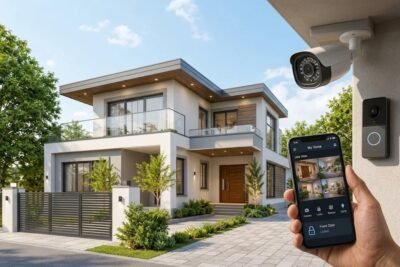
Amazon’s Ring Always Home Cam is designed as an indoor autonomous security drone that can fly along selected paths and capture video from different areas of a home. Instead of relying entirely on fixed cameras, this technology introduces a mobile surveillance system. As smart home technology continues to develop, drone-based cameras could transform how people protect their homes.
1. What Is Ring Drone Camera Technology?
Ring drone camera technology focuses on combining autonomous flight with smart home security. Unlike traditional cameras that remain attached to walls or ceilings, a drone camera can move between different locations to monitor selected areas.
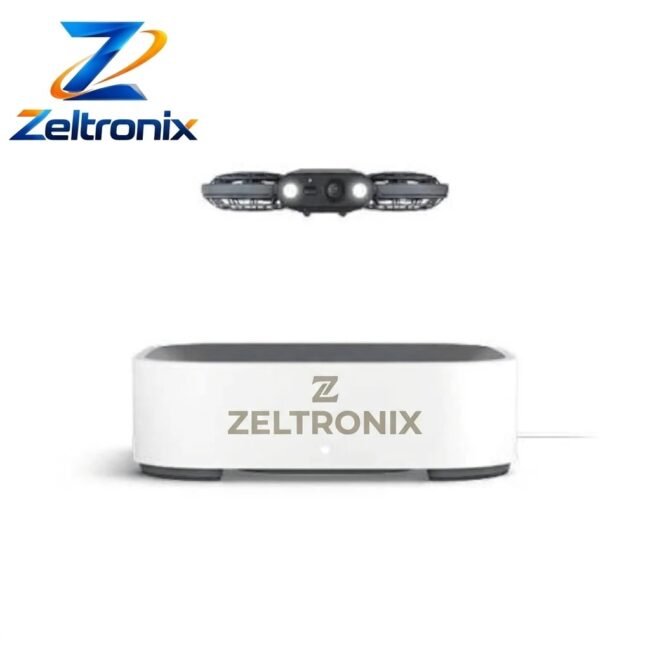
The Ring Always Home Cam is one example of this concept. It is designed to fly through a home when activated, allowing homeowners to check specific areas using a mobile application.
For example, users may want to see whether a door is closed, check a room, or investigate an unusual sound. A mobile camera can provide a different viewing angle without requiring multiple fixed cameras throughout the property.
This approach could make home monitoring more flexible and convenient.
2. Mobile Surveillance Instead of Fixed Cameras
One of the biggest advantages of drone-based surveillance is mobility. Traditional security cameras provide a limited viewing angle because they remain installed in one position.
A Ring drone camera can potentially monitor multiple locations by moving through designated areas. This may reduce the need to install cameras in every room.
For example, a homeowner could use a mobile drone camera to inspect a living room, hallway, or kitchen. Instead of purchasing several cameras, one mobile device could provide visual access to different spaces.
However, a drone camera is not necessarily a complete replacement for fixed security cameras. Traditional devices remain useful for continuous monitoring, outdoor surveillance, and recording important entry points.
3. Smart Home Integration and Automation
Smart home integratio is another important feature that could make drone cameras more useful. Modern homes increasingly use connected devices, including smart locks, motion sensors, lighting systems, and security alarms.
A drone camera could become part of this connected environment. When integrated with compatible smart home systems, it may help homeowners investigate alerts and check different areas remotely.
For example, if a motion sensor detects activity in a room, a homeowner could use a mobile drone camera to inspect the area. This could provide additional visual information before deciding whether further action is necessary.
Integration with mobile applications also allows users to manage certain security functions from almost anywhere with an internet connection.
4. AI and Advanced Motion Detection
Artificial intelligence is becoming an important part of modern surveillance systems. AI-powered security devices can analyze movement, identify activity patterns, and help reduce unnecessary notifications.
Future drone camera technology could use intelligent navigation and computer vision to understand indoor environments more effectively.
For instance, AI systems may help a drone recognize obstacles, follow predefined routes, and navigate around furniture. Advanced sensors could also improve its ability to operate safely inside different rooms.
These technologies could make autonomous surveillance more reliable and easier to manage.
However, the exact AI capabilities of any particular Ring device should be evaluated according to its officially supported features rather than assumed future developments.
5. Improved Home Security and Remote Monitoring
Ring Drone Camera
Remote monitoring is one of the main reasons people invest in smart home security products. Homeowners want to check their properties while working, traveling, or spending time away from home.
A mobile drone camera could provide additional flexibility by allowing users to inspect selected indoor locations remotely.
For example, someone who receives a security notification could check an area of concern using a compatible camera system. This may help them understand whether the alert represents an actual security issue or ordinary household activity.
Drone cameras could also be useful for checking rooms, monitoring certain household areas, and providing additional visibility when homeowners are away.
6. Privacy and Safety Considerations
Although drone-based surveillance offers interesting possibilities, privacy and safety must remain important considerations.
Unlike fixed cameras, a flying camera can move through private areas of a home. This raises questions about when recording begins, where footage is stored, and who can access it.
Manufacturers need to provide clear privacy controls, secure data storage, and transparent recording policies. Users should also understand the available settings before activating indoor monitoring.
Physical safety is another consideration. Indoor drones must navigate around furniture, people, pets, and other obstacles. Reliable obstacle detection and carefully designed flight paths are essential for reducing accidents.
Homeowners should use these devices responsibly and ensure that household members understand when and where monitoring takes place.
7. The Future of Drone-Based Home Surveillance
Drone camera technology could become an important part of future smart home security systems. Improvements in battery performance, navigation sensors, artificial intelligence, and wireless connectivity may make autonomous indoor monitoring more practical.
Future systems could potentially offer more intelligent navigation, better obstacle avoidance, and improved integration with other security devices.
Manufacturers may also explore more compact designs and quieter motors to make indoor drone cameras less disruptive.
However, widespread adoption will depend on factors such as affordability, privacy protection, reliability, and ease of use. Consumers will need products that provide genuine security benefits without introducing unnecessary complexity.
Conclusion
Ring Drone Camera technology represents an interesting direction for the future of home surveillance. By combining mobile cameras, autonomous navigation, and smart home connectivity, this approach could offer homeowners more flexible ways to monitor indoor spaces.
The Ring Always Home Cam demonstrates how a flying camera can provide a different perspective compared with traditional fixed security devices. Although it may not replace conventional cameras entirely, drone-based monitoring could become a useful addition to modern home security systems.
As artificial intelligence and autonomous navigation continue to improve, smart drone cameras may help create more connected, flexible, and intelligent homes.
Frequently Asked Questions (FAQs)
1. What is a Ring Drone Camera?
A Ring Drone Camera refers to Ring’s concept of an autonomous indoor security camera that can fly through selected areas of a home to capture video.
2. How does the Ring Always Home Cam work?
The Ring Always Home Cam is designed to fly along predefined indoor paths when activated, allowing homeowners to check selected areas of their property.
3. Can a Ring Drone Camera replace traditional security cameras?
Not completely. Drone cameras offer mobile monitoring, while traditional cameras are better suited for continuous surveillance of specific locations.
4. Does Ring Drone Camera technology use artificial intelligence?
Autonomous drone systems can use sensors and intelligent navigation technologies to move safely. Specific capabilities depend on the device and its supported features.
5. What are the main benefits of drone-based home surveillance?
The potential benefits include flexible monitoring, access to different viewing angles, smart home integration, and convenient remote inspection.
Related articles
Keep reading more from this topic.
Best Foldable Phones: Top Foldable Smartphones to Consider in 2026
.Foldable smartphones have evolved from an experimental concept into practical devices for everyday use.…
COMMENTS