
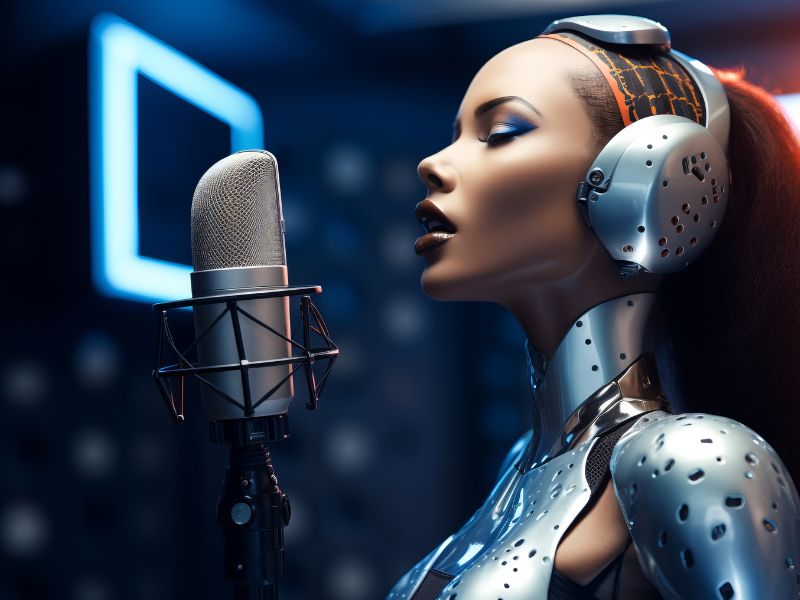
Introduction Technology is changing the way we create and consume content, and one of the most exciting developments is the AI voice generator. From
Introduction
Technology is changing the way we create and consume content, and one of the most exciting developments is the AI voice generator. From YouTube videos and podcasts to audiobooks and virtual assistants, AI-generated voices are everywhere. These tools can turn written text into natural-sounding speech within seconds, saving time and reducing production costs. In this article, we will explore what an AI voice generator is, how it works, the technology behind it, and why it has become so popular across different industries. Whether you are a content creator, marketer, or just curious about artificial intelligence, this guide will help you understand the basics clearly.
What Is an AI Voice Generator?
An AI voice generator is a software tool that uses artificial intelligence to convert text into spoken audio. Unlike traditional text-to-speech systems that sounded robotic, modern AI voice generators produce voices that sound natural, expressive, and human-like. These tools can mimic tone, pitch, speed, and even emotions. Some advanced AI voice generators can replicate specific accents or voices, making them suitable for professional use in media, education, and entertainment.
Why AI Voice Generators Are Gaining Popularity
The demand for audio content has grown rapidly. Videos, podcasts, and online courses are more popular than ever. Hiring voice actors for every project can be expensive and time-consuming. An AI voice generator offers a fast and cost-effective alternative. Another reason for their popularity is accessibility. People who struggle with writing or speaking can use AI voice generators to communicate more effectively. They also help make content accessible to visually impaired users or those who prefer listening over reading.
How an AI Voice Generator Works
At its core, an AI voice generator relies on machine learning and deep learning models. These systems are trained on large datasets of human speech. By analyzing patterns in pronunciation, intonation, and rhythm, the AI learns how humans speak. When a user inputs text, the AI processes it and predicts how it should sound when spoken aloud. The result is a smooth and natural audio output that closely resembles human speech.
The Role of Text-to-Speech Technology
Text-to-speech, often called TTS, is the foundation of an AI voice generator. Early TTS systems used basic rule-based methods that produced unnatural voices. Modern AI-powered TTS uses neural networks to generate more realistic speech. Neural TTS allows the system to understand context, sentence flow, and emphasis. This means the AI knows when to pause, where to add stress, and how to adjust tone, making the voice sound more human.
Natural Language Processing in AI Voice Generation
Natural Language Processing, or NLP, plays a major role in how AI voice generators interpret text. NLP helps the system understand grammar, punctuation, and meaning. This understanding allows the AI to read text the way a human would. For example, NLP helps distinguish between a question and a statement or recognize emotional cues in a sentence. This results in more expressive and accurate voice output.
Speech Synthesis and Voice Training
Speech synthesis is the process of generating spoken language from text. AI voice generators use speech synthesis models trained on hours of recorded human speech. These recordings teach the AI how words sound in different contexts. Some AI voice generators allow voice cloning, where a specific voice is recreated using sample recordings. This technology is powerful but must be used responsibly to avoid ethical concerns.
Types of AI Voice Generators
There are several types of AI voice generators available today. Some are designed for general text-to-speech use, while others focus on specific industries like marketing, gaming, or education. Some tools offer basic voice options, while advanced platforms provide customizable voices with adjustable tone, speed, and emotion. Multilingual AI voice generators can produce speech in different languages and accents, making them ideal for global audiences.
Benefits of Using an AI Voice Generator

One of the biggest benefits of an AI voice generator is efficiency. Audio content that once took hours to record can now be produced in minutes. This is especially useful for businesses and creators working on tight deadlines. Cost savings are another advantage. Instead of hiring voice actors for every project, users can generate high-quality voiceovers at a fraction of the cost. AI voice generators also offer consistency, ensuring the same voice style across multiple projects.
Limitations and Challenges
Despite their advantages, AI voice generators are not perfect. Some voices may still sound slightly unnatural, especially in emotional or complex dialogue. Background noise, sarcasm, or humor can be difficult for AI to interpret accurately. Human oversight is still important. Editing and reviewing AI-generated audio ensures accuracy and quality. Using AI voice generators as tools rather than replacements leads to better results.
Ethical Considerations and Responsible Use
With advanced features like voice cloning, ethical concerns become important. AI voice generators should be used responsibly, with proper consent when replicating real voices. Misuse can lead to misinformation or identity misuse. Transparency and ethical guidelines are essential to ensure this technology benefits society without causing harm.
Who Can Use AI Voice Generators?
AI voice generators are useful for a wide range of users. Content creators use them for videos and podcasts. Educators rely on them for e-learning materials. Businesses use them for customer support and marketing. They are also helpful for individuals with disabilities, offering an alternative way to communicate or consume content.
The Future of AI Voice Generators
The future of AI voice generator technology is promising. Voices will become even more natural, emotional, and customizable. Integration with other AI tools will make content creation faster and more interactive. Rather than replacing human voices entirely, AI voice generators will continue to support creativity and accessibility.
Conclusion
An AI voice generator is a powerful tool that transforms written text into realistic speech using artificial intelligence. By combining text-to-speech technology, natural language processing, and machine learning, these tools produce high-quality audio content quickly and efficiently. As technology advances, AI voice generators will play an even bigger role in content creation, education, and communication. When used responsibly, they offer a smart and accessible solution for modern digital needs.
FAQs About AI Voice Generator
- What is an AI voice generator used for?
It is used to convert text into spoken audio for videos, podcasts, audiobooks, and more. - Are AI voice generators free?
Some tools offer free plans, but advanced features usually require payment. - Can AI voice generators sound human?
Yes, modern AI voice generators produce very natural and human-like voices. - Is it legal to use AI voice generators?
Yes, as long as they are used ethically and follow licensing and consent rules. - Do AI voice generators support multiple languages?
Many AI voice generators support multiple languages and accents.

COMMENTS