
Introduction Laser technology has transformed the way products are designed, manufactured, and customized across countless industries. How a CO2 Lase
Introduction
Laser technology has transformed the way products are designed, manufactured, and customized across countless industries. How a CO2 Laser Cutter Improves Manufacturing and Creative Projects is an important topic for businesses, hobbyists, and designers looking for precision, speed, and versatility. Unlike traditional cutting tools, a CO2 laser cutter uses a focused beam of light to cut and engrave materials with remarkable accuracy, making it ideal for everything from industrial production to personalized crafts. Whether you’re operating a CO2 engraving machine for detailed artwork or using it to support manufacturing automation, this technology delivers consistent results while enabling high-quality custom laser engraving for a wide range of applications.
How a CO2 Laser Cutter Improves Manufacturing and Creative Projects
A CO2 laser cutter has become one of the most valuable tools in modern manufacturing and design. It combines speed, precision, and automation to produce detailed cuts and engravings on materials such as wood, acrylic, leather, paper, fabric, rubber, and certain plastics.
By replacing many manual cutting methods, businesses can improve productivity, reduce waste, and create complex designs that would otherwise be difficult or impossible to achieve.
What Is a CO2 Laser Cutter?
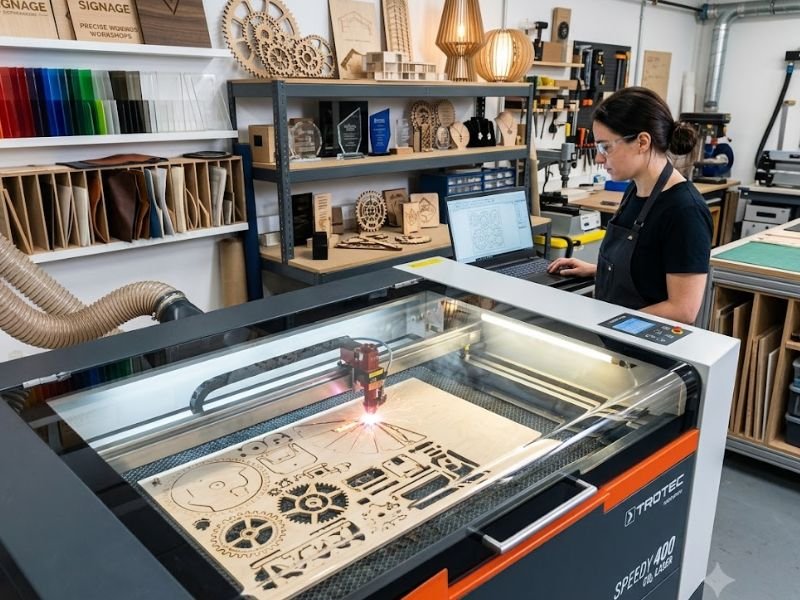
A CO2 laser cutter is a computer-controlled machine that uses a carbon dioxide laser beam to cut, engrave, or mark various non-metallic materials.
The machine works by directing a concentrated laser beam through mirrors and lenses to a cutting head, where intense heat vaporizes or melts the material along a programmed path.
Modern systems are highly accurate and can create intricate patterns with clean, professional edges.
How CO2 Laser Technology Works
The cutting process involves several key steps:
- The design is created using CAD or graphic design software.
- The file is sent to the laser machine.
- The laser beam follows the programmed path.
- The material is cut or engraved with high precision.
- Ventilation systems remove smoke and debris.
Because the laser never physically touches the material, there is minimal mechanical wear during operation.
Benefits of a CO2 Laser Cutter
Choosing a CO2 laser cutter offers numerous advantages for businesses and creators.
Some of the key benefits include:
- Exceptional cutting accuracy
- Smooth and clean edges
- Fast production speeds
- Minimal material waste
- Highly detailed engraving
- Easy design customization
- Consistent production quality
- Reduced manual labor
These advantages make laser technology suitable for both mass production and one-of-a-kind projects.
CO2 Engraving Machine Applications
A CO2 engraving machine is capable of producing detailed engravings on many materials.
Common applications include:
- Wooden signs
- Personalized gifts
- Acrylic displays
- Leather products
- Packaging prototypes
- Awards and trophies
- Decorative artwork
- Promotional merchandise
Its precision makes it especially valuable for businesses offering customized products.
Manufacturing Automation
CO2 Laser Cutter
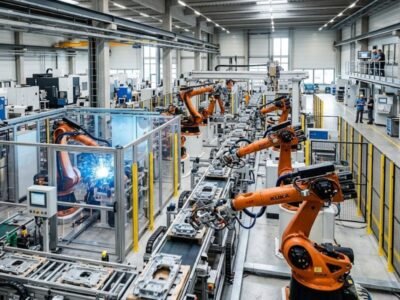
Modern factories increasingly rely on manufacturing automation to improve efficiency and product quality.
CO2 laser cutters support automation by:
- Operating with computer-controlled precision
- Reducing manual handling
- Increasing production speed
- Lowering material waste
- Maintaining consistent quality
- Supporting continuous operation
Automated laser systems can also integrate with production lines, making them ideal for industrial manufacturing environments.
Custom Laser Engraving
One of the biggest advantages of laser technology is custom laser engraving.
Businesses can personalize products with:
- Names
- Company logos
- Serial numbers
- QR codes
- Artwork
- Decorative patterns
- Product branding
Custom engraving helps businesses create unique products while adding value for customers.
Materials That Can Be Processed
CO2 laser cutters work exceptionally well with many non-metal materials.
Popular materials include:
- Wood
- Acrylic
- Leather
- Cardboard
- Paper
- Fabric
- Rubber
- Cork
- Bamboo
- Glass (engraving only)
Material compatibility depends on machine power and manufacturer recommendations.
Industries That Use CO2 Laser Cutters
CO2 laser technology is widely used across many industries.
These include:
- Manufacturing
- Furniture production
- Sign making
- Interior design
- Fashion
- Packaging
- Education
- Arts and crafts
- Product prototyping
- Advertising
Its flexibility makes it valuable for both industrial and creative applications.
Choosing the Right CO2 Laser Cutter
Before purchasing a laser cutter, consider:
- Laser power
- Working area size
- Software compatibility
- Cooling system
- Ventilation requirements
- Safety features
- Maintenance costs
- Technical support
Selecting the right machine depends on your intended materials and production needs.
Maintenance Tips
Regular maintenance ensures consistent performance and extends machine lifespan.
Recommended practices include:
- Cleaning mirrors and lenses
- Checking alignment
- Inspecting ventilation systems
- Replacing worn components
- Cleaning the work area
- Updating software
- Monitoring cooling systems
Preventive maintenance helps avoid downtime and costly repairs.
Safety Considerations
Safe operation is essential when using laser equipment.
Always:
- Wear appropriate eye protection
- Ensure proper ventilation
- Keep flammable materials away
- Follow manufacturer instructions
- Inspect equipment before use
- Use emergency stop controls when necessary
A safe workspace protects both operators and equipment.
The Future of CO2 Laser Technology
Laser technology continues evolving rapidly.
Future innovations include:
- AI-assisted machine optimization
- Smarter automation
- Faster engraving speeds
- Improved energy efficiency
- Cloud-connected production monitoring
- Enhanced software integration
These advancements will make laser systems even more productive and accessible.
Conclusion
How a CO2 Laser Cutter Improves Manufacturing and Creative Projects demonstrates why laser technology has become an essential tool for modern businesses and creators. Whether used as a CO2 engraving machine for intricate designs, integrated into manufacturing automation systems for high-volume production, or applied to custom laser engraving for personalized products, CO2 laser cutters deliver outstanding precision, speed, and versatility. As manufacturing and creative industries continue adopting advanced technologies, CO2 laser cutting will remain a key solution for efficient, high-quality production.
Frequently Asked Questions (FAQs)
What is a CO2 laser cutter?
A CO2 laser cutter is a computer-controlled machine that uses a carbon dioxide laser beam to cut and engrave materials such as wood, acrylic, leather, paper, and fabric with exceptional precision.
What materials can a CO2 engraving machine process?
A CO2 engraving machine commonly works with wood, acrylic, leather, cardboard, paper, rubber, cork, bamboo, and certain plastics. It can also engrave glass.
How does manufacturing automation benefit from CO2 laser cutters?
Manufacturing automation improves production efficiency by reducing manual labor, increasing cutting accuracy, minimizing waste, and maintaining consistent product quality.
What is custom laser engraving?
Custom laser engraving is the process of permanently marking products with personalized text, logos, graphics, serial numbers, or decorative designs using laser technology.
Are CO2 laser cutters suitable for small businesses?
Yes. CO2 laser cutters are widely used by small businesses, makers, schools, and manufacturers because they provide precise cutting, flexible production, and the ability to create customized products efficientl

COMMENTS