
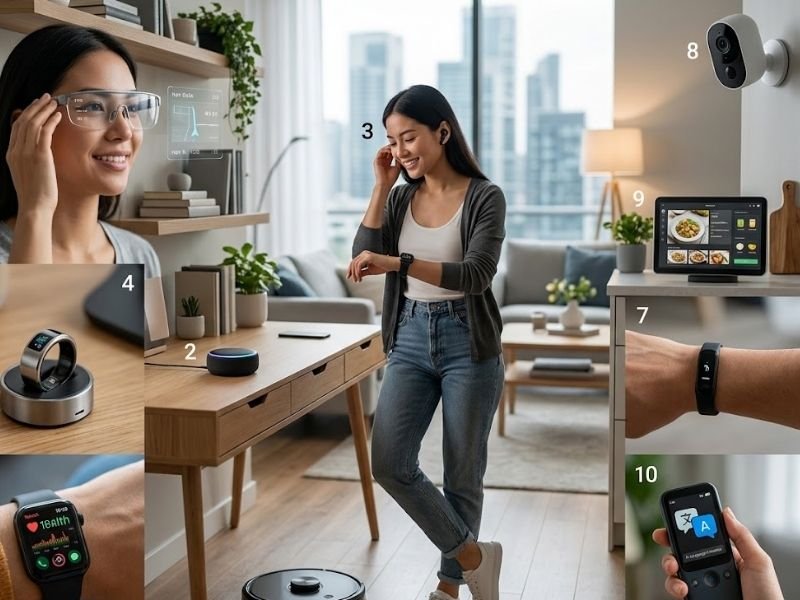
Introduction Artificial intelligence is becoming a bigger part of everyday technology, and 10 AI Gadgets worth knowing about can show just how quickl
Introduction
Artificial intelligence is becoming a bigger part of everyday technology, and 10 AI Gadgets worth knowing about can show just how quickly this change is happening. From smart glasses and AI assistants to intelligent home devices and wearable technology, modern AI-powered gadgets are designed to make daily tasks easier, faster, and more convenient. These smart technology devices can use sensors, software, cameras, voice recognition, and machine learning to respond to users and provide useful assistance. As more artificial intelligence gadgets enter homes, workplaces, and personal lifestyles, understanding how they work can help consumers choose technology that genuinely adds value.
1. AI Smart Glasses
AI smart glasses are among the most interesting wearable technologies available today. Depending on the device, they can include cameras, microphones, speakers, voice controls, and AI-powered assistance. Users may be able to capture photos and videos, listen to audio, make calls, or ask questions without constantly looking at a smartphone.
The future of smart glasses could include even more advanced features, including better contextual assistance and augmented reality experiences. For people interested in hands-free technology, smart glasses are an important example of how AI is becoming part of everyday life.
2. AI-Powered Smart Speakers
Smart speakers have evolved from simple voice-controlled devices into more intelligent digital assistants. AI can help these devices understand natural language and respond to a wider range of questions and commands.
Users can ask for information, control compatible home devices, set reminders, play music, and manage daily routines. The usefulness of a smart speaker depends on the quality of its voice recognition and its ability to connect with other devices. These products remain some of the most accessible AI-powered gadgets for people who want to explore smart technology at home.
3. AI Robot Vacuums
Robot vacuums have become increasingly intelligent. Modern models may use sensors, cameras, mapping systems, and AI-based software to understand the layout of a home and navigate around obstacles. Instead of moving randomly across a room, advanced devices can create maps and follow more efficient cleaning patterns.
Some systems can also identify different types of obstacles and adjust their movement. AI-powered cleaning technology can save time, particularly for people with busy schedules or larger homes.
4. AI Translation Devices
Language barriers can make travel, work, and communication more difficult. AI translation devices are designed to help people understand different languages through speech recognition and translation technology. Depending on the device and supported software, users may receive translations through earbuds, handheld devices, or connected applications.
Although AI translation is improving, it may not always understand complex language, regional expressions, or cultural context perfectly. Still, these devices demonstrate how artificial intelligence gadgets can make communication more accessible.
5. AI Wearable Health Devices
Wearable technology is becoming more advanced through the use of sensors and intelligent software. Smartwatches, fitness bands, and smart rings can collect information related to activity, sleep, heart rate, and other wellness metrics. AI can help organize this information and identify patterns over time.
However, users should remember that consumer wearable devices are not automatically medical devices. Health-related information should be interpreted carefully, especially when making important medical decisions. These smart wearables show how AI can help people better understand everyday activity and lifestyle habits.
6. AI Home Security Cameras
Security cameras are becoming smarter as AI improves object and activity detection. Traditional cameras may simply record video, while AI-powered systems can potentially identify motion patterns or distinguish between different types of activity. This can help reduce unnecessary alerts.
For example, users may prefer to receive notifications about significant activity rather than every small movement. Privacy and data security are important considerations when choosing smart security technology. Users should understand where recordings are stored and how the information is protected.
7. AI-Powered Personal Assistants
Personal AI assistants are becoming more capable of helping users organize information and complete everyday tasks. They may assist with writing, planning, summarizing information, answering questions, and organizing ideas. Some AI assistants are available through smartphones, computers, or dedicated devices.
The best use of these tools is often to save time on repetitive tasks while keeping the user in control of important decisions. As AI systems improve, personal assistants may become more deeply connected with smart technology devices used throughout daily life.
8. AI-Powered Smart Earbuds

10 AI Gadgets
Smart earbuds are no longer limited to playing music. Advanced models and connected AI systems may support voice assistants, real-time information access, language tools, noise management, and hands-free communication. AI can help improve audio experiences by adjusting sound settings or managing background noise.
For travelers, professionals, and people who frequently communicate while moving, intelligent earbuds can offer a practical combination of convenience and technology. They are also easier to carry than many larger smart devices.
9. AI Smart Home Hubs
A smart home hub can connect different devices into one ecosystem. Lighting, security systems, speakers, thermostats, and other connected products can potentially work together through automation. AI may help users create routines based on preferences or usage patterns.
For example, smart home systems can automate certain actions according to schedules or user commands. However, users should carefully consider privacy and security when connecting multiple devices to the internet. Strong passwords, software updates, and secure account settings are essential for protecting connected homes.
10. AI Robots for Everyday Assistance
Robots are becoming more practical as artificial intelligence, sensors, and automation technology improve. Consumer and service robots may assist with cleaning, delivery, customer service, education, and other routine tasks. These devices can use cameras and sensors to understand their surroundings and perform specific functions.
While fully autonomous household robots are still developing, current technology shows how robotics may become more common in everyday environments. Among the 10 AI Gadgets discussed here, AI-powered robots offer one of the clearest examples of how software and physical machines can work together.
How AI-Powered Gadgets Are Changing Everyday Life
The biggest advantage of AI technology is not simply automation. It is the ability to make technology more responsive and useful. AI-powered gadgets can process information, respond to voice commands, recognize patterns, and adapt to specific tasks. For example, a robot vacuum can learn a home layout, while a smart speaker can respond to spoken instructions.
These technologies can reduce the time required for repetitive tasks. However, convenience should always be balanced with privacy and security. Users should understand what information a device collects and whether that data is stored locally or shared through online services.
What to Consider Before Buying AI Gadgets
Before purchasing one of the latest artificial intelligence gadgets, consider whether the technology actually solves a problem for you. A long list of features does not always mean a product will be useful. Think about battery life, privacy settings, software support, compatibility with other devices, and long-term costs.
Some devices may require subscriptions or depend on cloud-based services. It is also important to consider security updates. Connected products should receive regular software support to help protect users from potential vulnerabilities. The best smart technology devices are usually the ones that fit naturally into your daily routine.
The Future of 10 AI Gadgets and Smart Technology
The future of 10 AI Gadgets and similar technologies will likely involve better sensors, more efficient processors, improved AI models, and stronger connections between devices. Instead of using each gadget separately, people may increasingly use connected technology ecosystems. Smart glasses could work with AI assistants, while earbuds provide private audio and smart home systems respond to user preferences.
AI may also become more personalized, helping devices understand context and provide assistance when it is genuinely useful.
However, future success will depend on more than advanced technology. Companies will need to address privacy, affordability, reliability, and ease of use.
Conclusion
The world of 10 AI Gadgets demonstrates how quickly artificial intelligence is moving from software into physical products. From smart glasses and robot vacuums to intelligent earbuds, health wearables, and home security systems, AI-powered gadgets are creating new ways to interact with technology. These smart technology devices can offer convenience, automation, and personalized experiences, but users should also consider privacy, security, and practical value before making a purchase. As artificial intelligence gadgets continue to develop, the most successful products will likely be the ones that make everyday life easier without creating unnecessary complexity.
FAQs
What are AI gadgets?
AI gadgets are physical devices that use artificial intelligence, machine learning, sensors, or intelligent software to perform tasks or provide assistance.
What are the most popular types of AI-powered gadgets?
Popular categories include smart speakers, smart glasses, robot vacuums, wearable health devices, security cameras, smart earbuds, and connected home devices.
Are AI gadgets safe to use?
Most consumer devices are designed for everyday use, but users should review privacy settings, security features, and software support.
Do AI gadgets require an internet connection?
Some features may work locally, while advanced AI services and cloud-based functions often require an internet connection.
Are AI-powered gadgets expensive?
Prices vary widely. Some smart devices are affordable, while advanced wearables, robots, and premium smart home products can cost significantly more.
What should I check before buying an AI gadget?
Consider its practical use, privacy settings, battery life, compatibility, security updates, long-term costs, and whether its features match your lifestyle.

COMMENTS