
In the rapidly evolving world of architecture, 3D model architecture has become an indispensable tool for architects, designers, and engineers. By pro
In the rapidly evolving world of architecture, 3D model architecture has become an indispensable tool for architects, designers, and engineers. By providing a virtual, interactive representation of buildings and structures, 3D modeling enhances design accuracy, visualization, and collaboration, transforming the way modern architecture is conceptualized and executed.
What is 3D Model Architecture?
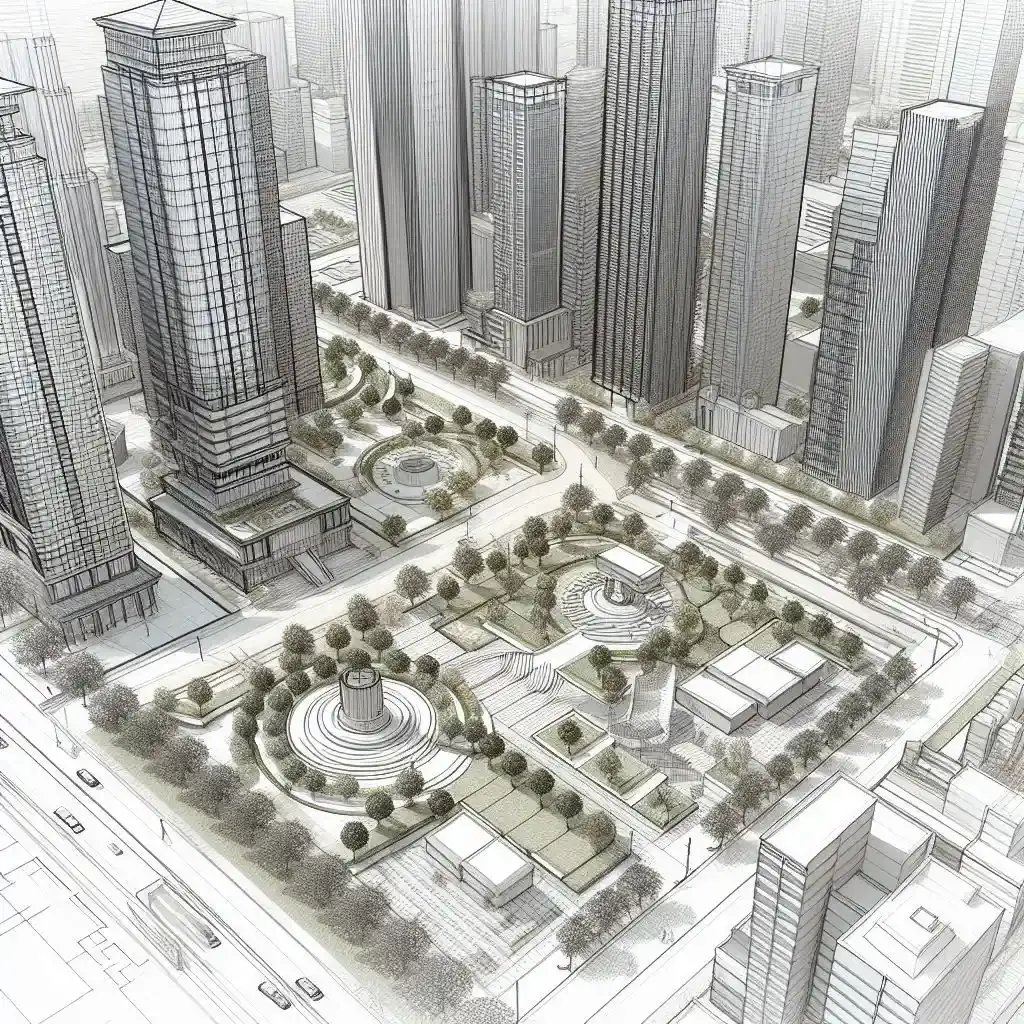
3D model architecture refers to the creation of three-dimensional digital representations of buildings, interiors, or urban layouts. Unlike traditional 2D drawings, 3D models allow stakeholders to see and interact with structures in a virtual space, providing a realistic understanding of the design.
Key Features of 3D Model Architecture
FeatureDescriptionRealistic VisualizationProvides lifelike images of buildings and interiors.AccuracyReduces design errors and discrepancies in construction.InteractivityAllows clients and designers to explore spaces virtually.Cost-EfficiencyMinimizes costly mistakes by simulating designs before construction.CollaborationFacilitates team communication and coordination through cloud-based platforms.
Types of 3D Models in Architecture
Architects use various types of 3D models depending on the project requirements:
Conceptual Models
These are basic models used in the initial stages to explore ideas, shapes, and forms. They prioritize visualizing concepts rather than technical details.
Detailed Models
Highly accurate models that include dimensions, materials, and structural elements. These are often used for construction planning and client presentations.
3D Renderings
Photorealistic images generated from 3D models to simulate lighting, textures, and environments, making it easier to communicate the final design.
BIM Models (Building Information Modeling)
Advanced 3D models that integrate data on materials, cost, and scheduling. BIM is used for planning, construction management, and facility maintenance.
Benefits of 3D Model Architecture
The adoption of 3D modeling in architecture provides numerous advantages:
Enhanced Visualization
Clients often struggle to understand 2D plans. With 3D models, architects can present designs in a realistic and interactive manner, helping clients make informed decisions.
Improved Accuracy and Efficiency
3D models allow precise measurement and alignment of structures. This reduces errors during construction, saving time and money.
Streamlined Collaboration
Teams, including engineers, contractors, and clients, can collaborate in real-time. Changes in the model are instantly visible to all stakeholders.
Marketing and Presentation
Realistic 3D renderings are invaluable for marketing properties. They help buyers visualize the final product, increasing engagement and sales.
Sustainable Design
3D models enable architects to simulate energy usage, natural lighting, and airflow, supporting environmentally friendly and sustainable designs.
Popular Software for 3D Architectural Modeling
Choosing the right software is crucial for producing high-quality 3D models. Here’s a comparison of some widely used tools:
SoftwareBest ForKey FeaturesAutoCAD2D & 3D DraftingPrecision modeling, large project supportSketchUpConceptual DesignsUser-friendly, quick modeling, intuitive interfaceRevitBIM ProjectsData-rich modeling, collaboration, construction management3ds MaxRenderingPhotorealistic rendering, animation, texturesRhinoComplex GeometryFreeform modeling, advanced surfacesBlenderVisualizationOpen-source, animation, rendering
3D Modeling Process in Architecture
Creating a 3D model involves multiple steps to ensure precision and visual accuracy:
1. Conceptualization
Architects start by understanding client requirements, site constraints, and design objectives. Sketches and rough models are created to explore ideas.
2. Detailed Design
Once the concept is approved, architects use software to develop detailed 3D models. This includes structure, interiors, furniture, and exterior elements.
3. Rendering
The 3D model is rendered into photorealistic images or walkthroughs, allowing clients to experience the building virtually.
4. Simulation and Analysis
Engineers may test structural integrity, energy efficiency, and lighting using simulations based on the 3D model.
5. Final Presentation
The model is used for construction planning, client approval, and marketing, ensuring every detail is clear before building begins.
Applications of 3D Model Architecture
3D models are not limited to design they serve multiple purposes:
Residential Architecture: Helps homeowners visualize layouts, interiors, and furniture arrangements.
Commercial Projects: Supports complex structures like malls, offices, and hotels, providing realistic renderings for investors.
Urban Planning: Enables city planners to simulate traffic, population density, and environmental impact.
Interior Design: Helps designers experiment with colors, furniture, and materials in a virtual space.
Heritage Preservation: Used to digitally reconstruct historical buildings for restoration and tourism.
Advantages Over Traditional 2D Architecture
Aspect2D Architecture3D Model ArchitectureVisualizationFlat drawings, difficult for clientsRealistic, interactive viewsAccuracyProne to measurement errorsPrecise dimensions and alignmentsCommunicationLimited to drawings and sketchesInteractive models, easy collaborationTime EfficiencyManual revisions take timeQuick updates and simulationsMarketingRequires imagination from clientsImmersive, photorealistic presentations
Challenges in 3D Architectural Modeling
While 3D modeling offers many benefits, it comes with some challenges:
High Cost: Software and skilled professionals can be expensive.
Learning Curve: Advanced tools require significant training.
Hardware Requirements: Large models require powerful computers.
Over-Design Risk: Excessive details may lead to unnecessary complexity.
Despite these challenges, the benefits far outweigh the drawbacks, making 3D modeling a critical part of modern architecture.
Future Trends in 3D Model Architecture
AI-Powered Design: Artificial intelligence will optimize layouts, materials, and energy usage.
Virtual Reality (VR) Integration: Clients can walk through buildings before construction begins.
Parametric Design: Software will allow dynamic modeling, where changes automatically adjust connected components.
Sustainable Modeling: Focus on green architecture and energy-efficient designs.
Cloud-Based Collaboration: Teams worldwide can work together on 3D models in real-time.
Conclusion
3D model architecture has transformed the way buildings are designed, visualized, and constructed. By combining accuracy, interactivity, and realism, it allows architects and clients to collaborate effectively, minimize errors, and enhance overall project outcomes. With advancing technology like VR, AI, and BIM, the future of 3D modeling promises even greater efficiency, sustainability, and creativity in architectural design.
FAQs
Q1. What is the difference between 3D modeling and 3D rendering in architecture?
A: 3D modeling is the process of creating a virtual structure, while 3D rendering converts the model into photorealistic images or videos, simulating materials, lighting, and environments.
Q2. Is 3D model architecture suitable for small projects?
A: Yes, even small residential projects benefit from 3D modeling for accurate visualization and error reduction.
Q3. How long does it take to create a 3D architectural model?
A: It depends on project complexity. Simple models may take a few days, while large, detailed projects can take weeks or months.
Q4. Can 3D models be used during construction?
A: Absolutely. Contractors use 3D models to guide construction, verify measurements, and coordinate tasks, reducing errors.
Q5. Which software is best for beginners?
A: SketchUp and Blender are beginner-friendly, offering intuitive interfaces and free or low-cost options.
Q6. How does 3D modeling contribute to sustainability?
A: It allows architects to simulate energy usage, natural light, and ventilation, helping create eco-friendly and energy-efficient buildings.

COMMENTS