
The automotive industry has undergone significant technological advancements over the past few decades, and one of the most important innovations is t
The automotive industry has undergone significant technological advancements over the past few decades, and one of the most important innovations is the adoption of Car Electric Power Steering systems. Traditional hydraulic steering systems were once the standard in nearly every vehicle, but modern manufacturers are increasingly replacing them with electric alternatives. The need for better fuel efficiency, improved driving comfort, enhanced safety features, and lower maintenance requirements drives this shift. Today, Car Electric Power Steering has become a standard feature in many passenger cars, SUVs, and electric vehicles because it offers numerous advantages over older steering technologies.
What Is Car Electric Power Steering?
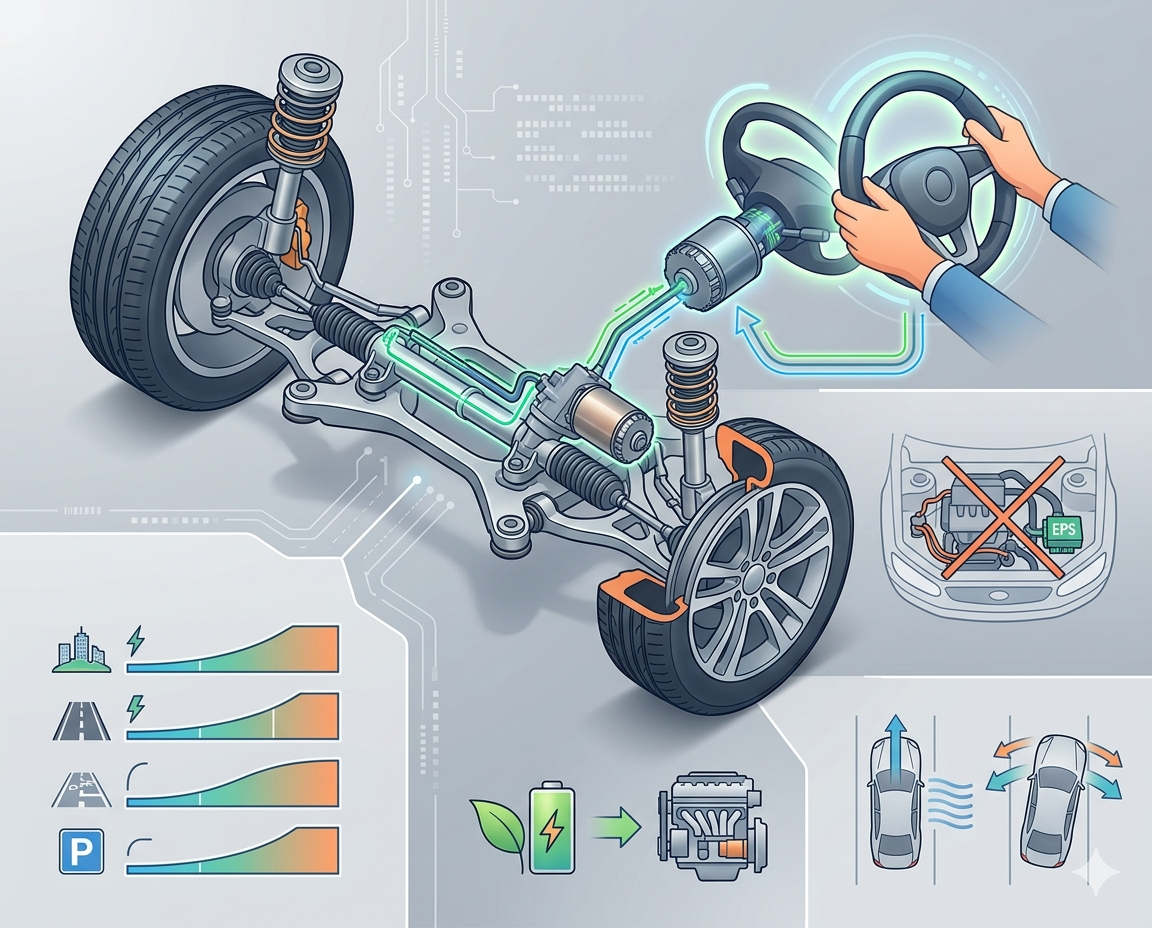
Electric Power Steering (EPS) is a steering assistance system that uses an electric motor instead of hydraulic pumps and fluid pressure to help drivers turn the steering wheel. The system monitors steering input through sensors and provides the appropriate amount of assistance based on driving conditions.
Unlike hydraulic systems that continuously draw power from the engine, electric power steering only uses energy when steering assistance is needed. This makes the system more efficient and responsive. Modern EPS systems can also communicate with other vehicle technologies, allowing manufacturers to introduce advanced safety and driver-assistance features.
The simplicity and efficiency of electric steering have made it a preferred choice for modern vehicle design. As automotive technology continues to evolve, EPS is becoming increasingly important in supporting smarter and safer driving experiences.
Improved Fuel Efficiency with Car Electric Power Steering
One of the primary reasons modern vehicles use Car Electric Power Steering systems is improved fuel efficiency. Traditional hydraulic steering systems require a pump driven by the engine, which consumes energy continuously regardless of whether the vehicle is turning.
Electric power steering eliminates this constant energy drain. The electric motor activates only when steering assistance is required, reducing the workload on the engine. As a result, vehicles consume less fuel and produce lower emissions.
Even small improvements in fuel economy can have a significant impact on the lifetime of a vehicle. Manufacturers are constantly seeking ways to improve efficiency and meet stricter environmental regulations. Electric power steering helps achieve these goals while maintaining excellent driving performance.
This advantage is especially important for hybrid and electric vehicles, where maximizing energy efficiency is a top priority.
Enhanced Driving Comfort and Control
Modern drivers expect smooth and comfortable handling in all driving conditions. Car Electric Power Steering systems provide precise steering assistance that adapts to vehicle speed and road conditions.
At low speeds, such as during parking or city driving, the system provides greater assistance, making the steering wheel easier to turn. At higher speeds, steering assistance is reduced to provide better road feel and vehicle stability. This dynamic adjustment improves both comfort and control.
The result is a more enjoyable driving experience. Drivers can maneuver vehicles more easily in tight spaces while maintaining confidence during highway travel. The ability to customize steering characteristics is another reason why automakers prefer electric steering systems.
Advanced software also allows manufacturers to fine-tune steering performance for different vehicle types, from compact cars to luxury sedans and performance vehicles.
Reduced Maintenance Requirements
Another major benefit of Car Electric Power Steering is its lower maintenance requirements compared to hydraulic systems. Traditional power steering systems rely on hydraulic fluid, hoses, pumps, and seals that can wear out or develop leaks over time.
Electric steering systems eliminate many of these components, reducing the number of parts that require regular inspection or replacement. Without hydraulic fluid, drivers no longer need to worry about fluid leaks or contamination issues.
Fewer mechanical components generally lead to improved reliability and lower maintenance costs. Vehicle owners benefit from reduced repair expenses and fewer unexpected problems throughout the life of the vehicle.
This increased reliability is particularly attractive to manufacturers and consumers who prioritize long-term ownership costs and vehicle dependability.
Supporting Advanced Safety Technologies
Car Electric Power Steering
Modern vehicles are equipped with a wide range of advanced driver-assistance systems, and Car Electric Power Steering plays a critical role in supporting these technologies. Unlike hydraulic steering systems, EPS can communicate electronically with vehicle control systems.
Features such as lane-keeping assist, automatic parking, collision avoidance, and adaptive cruise control often rely on electric steering systems to function effectively. The steering motor can make small adjustments automatically to help keep the vehicle in its lane or avoid potential hazards.
As vehicles become increasingly automated, electric steering systems provide the precision and responsiveness required for advanced safety features. This integration helps improve road safety and reduces the risk of accidents caused by human error.
The ability to support autonomous driving technologies is one of the strongest reasons why automakers continue investing in electric power steering development.
Why Electric Vehicles Depend on Electric Power Steering
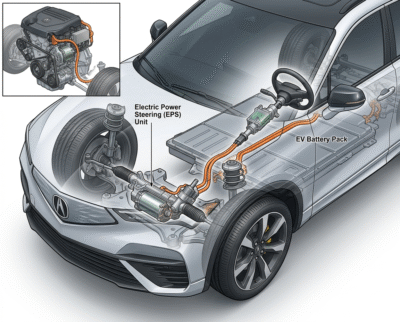
The rise of electric vehicles has further accelerated the adoption of Car Electric Power Steering systems. Since electric vehicles do not have traditional engines, using hydraulic steering systems would require additional components and energy consumption.
Electric steering integrates naturally with battery-powered vehicles, providing efficient operation without unnecessary complexity. The system helps maximize driving range by minimizing energy usage while maintaining responsive handling.
Many electric vehicle manufacturers also use advanced software to optimize steering performance and create a more refined driving experience. As the electric vehicle market continues growing, electric power steering is expected to remain a standard feature across the industry.
The combination of efficiency, safety, and technological compatibility makes EPS an ideal solution for next-generation transportation.
Future Developments in Car Electric Power Steering
The future of Car Electric Power Steering looks promising as automotive technology continues advancing. Manufacturers are developing more intelligent systems that use artificial intelligence and predictive algorithms to enhance steering performance.
Future steering systems may adapt automatically to driver preferences, road conditions, and traffic situations. Improved sensor technology and software integration will likely make steering systems even more precise and responsive.
As autonomous vehicles become more common, electric power steering will play an essential role in enabling self-driving capabilities. Continued innovation will further improve safety, efficiency, and driving comfort for future vehicle generations.
The evolution of electric steering reflects the broader trend toward smarter, more connected automobiles that prioritize both performance and sustainability.
Conclusion
The widespread adoption of Car Electric Power Steering systems reflects the automotive industry’s commitment to efficiency, safety, and innovation. Compared to traditional hydraulic systems, EPS offers better fuel economy, improved handling, lower maintenance costs, and seamless integration with advanced driver-assistance technologies.
As modern vehicles continue evolving, electric power steering will remain a key component of automotive design. Its ability to support electric vehicles, autonomous driving systems, and enhanced safety features makes it one of the most important advancements in modern transportation. For drivers and manufacturers alike, Car Electric Power Steering represents a smarter and more efficient approach to vehicle control.
FAQs
1. What is Car Electric Power Steering?
Car Electric Power Steering is a steering assistance system that uses an electric motor instead of hydraulic fluid and pumps to help drivers steer their vehicles.
2. Why is electric power steering better than hydraulic steering?
Electric power steering improves fuel efficiency, requires less maintenance, and supports advanced safety technologies.
3. Does electric power steering improve fuel economy?
Yes, because it only consumes power when steering assistance is needed, reducing energy loss compared to hydraulic systems.
4. Is electric power steering reliable?
Yes, modern electric power steering systems are highly reliable and generally require less maintenance than hydraulic steering systems.
5. Do electric vehicles use electric power steering?
Yes, most electric vehicles use electric power steering because it is energy-efficient and integrates well with electric vehicle systems.

COMMENTS