
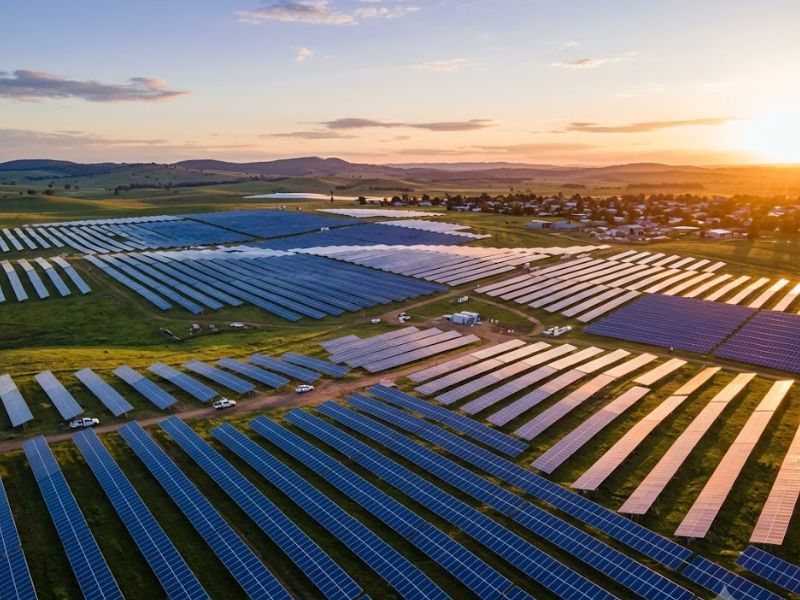
Introduction Australia's Solar Boom is reshaping the country's energy landscape like never before. With abundant sunshine, rising electricity prices,
Introduction
Australia’s Solar Boom is reshaping the country’s energy landscape like never before. With abundant sunshine, rising electricity prices, and strong government incentives, more Australian households and businesses are turning to solar power as a reliable and cost-effective energy source. The rapid adoption of rooftop solar panels and large-scale solar farms has positioned Australia among the world’s leading solar energy producers. As renewable energy becomes a national priority, Australia’s Solar Boom is helping reduce carbon emissions, improve energy independence, and create thousands of green jobs. This article explores the key factors behind Australia’s solar revolution, its benefits, challenges, and what the future holds for the country’s clean energy transition.
What Is Driving Australia’s Solar Boom?
Several factors have contributed to the rapid growth of solar energy across Australia. The country enjoys one of the highest levels of solar radiation in the world, making it an ideal location for generating solar power. Falling solar panel prices, improved battery storage technology, and financial incentives have made solar installations more affordable than ever.
In addition, increasing awareness of climate change has encouraged homeowners and businesses to invest in renewable energy solutions. Many Australians now view solar power as a long-term investment that lowers electricity bills while reducing environmental impact.
Australia’s Solar Boom and Residential Solar Adoption
One of the biggest reasons behind Australia’s Solar Boom is the widespread installation of rooftop solar systems. Millions of Australian homes now generate their own electricity using photovoltaic (PV) panels.
Homeowners enjoy several advantages, including:
- Lower monthly electricity bills
- Greater energy independence
- Increased property value
- Reduced greenhouse gas emissions
- Access to government rebates and incentives
Many households also combine solar panels with battery storage systems, allowing them to store excess electricity for nighttime use or during power outages.
Commercial Businesses Are Embracing Solar Energy
Businesses across Australia are increasingly investing in solar power to reduce operating expenses and improve sustainability. Manufacturing facilities, warehouses, shopping centers, schools, and office buildings are installing large rooftop solar systems to offset rising electricity costs.
Commercial solar installations offer benefits such as:
- Reduced long-term energy expenses
- Improved corporate sustainability
- Lower carbon footprint
- Better energy efficiency
- Enhanced brand reputation among environmentally conscious customers
As energy prices continue to rise, solar power provides businesses with greater financial stability.
Environmental Benefits of Australia’s Solar Boom
The shift toward renewable energy has significantly reduced Australia’s dependence on fossil fuels. Solar energy generates electricity without producing harmful greenhouse gas emissions, making it one of the cleanest energy sources available.
Key environmental benefits include:
- Reduced carbon dioxide emissions
- Improved air quality
- Lower reliance on coal-fired power plants
- Conservation of natural resources
- Support for national climate goals
As more renewable energy enters the electricity grid, Australia’s overall environmental footprint continues to improve.
Economic Impact of Australia’s Solar Boom
Beyond environmental benefits, solar energy has become a major contributor to Australia’s economy. The renewable energy industry supports thousands of jobs in manufacturing, engineering, installation, maintenance, and research.
The economic advantages include:
- Job creation in renewable energy sectors
- Increased investment in clean technologies
- Growth of regional economies through solar farms
- Reduced household energy costs
- Greater energy security for the nation
These developments continue to attract domestic and international investors interested in Australia’s renewable energy market.
Government Support for Solar Energy

Australia’s Solar Boom
Government policies have played an important role in accelerating solar adoption. Federal and state governments offer rebates, tax incentives, and renewable energy programs that encourage households and businesses to install solar systems.
Some common support measures include:
- Small-scale Renewable Energy Scheme (SRES)
- State-based solar rebates
- Feed-in tariffs for excess electricity
- Low-interest financing programs
- Renewable energy investment initiatives
These incentives help reduce installation costs while encouraging wider adoption of clean energy technologies.
Challenges Facing Australia’s Solar Boom
Although solar energy continues to grow rapidly, several challenges remain.
Grid Infrastructure
The electricity grid must be upgraded to manage increasing amounts of renewable energy generated by distributed solar systems.
Energy Storage
Solar power generation depends on sunlight, making battery storage essential for providing electricity during nighttime or cloudy conditions.
Initial Installation Costs
While prices have decreased significantly, some households still face financial barriers when investing in solar systems.
Skilled Workforce
Growing demand requires more qualified technicians and installers to maintain high-quality solar installations across the country.
Despite these challenges, ongoing technological advancements continue to improve the efficiency and affordability of solar energy.
The Future of Australia’s Solar Boom
The future looks exceptionally bright for Australia’s renewable energy sector. Continued improvements in solar panel efficiency, battery storage technology, and smart energy management systems are expected to accelerate adoption even further.
Emerging technologies such as virtual power plants, community solar projects, electric vehicle charging integration, and advanced energy storage will strengthen Australia’s clean energy infrastructure. As government policies continue to support renewable investments, Australia is well-positioned to become a global leader in sustainable energy production.
Why Solar Energy Is the Future
Solar energy offers a practical solution to many of today’s energy challenges. It reduces dependence on fossil fuels, lowers electricity costs, and supports a cleaner environment without sacrificing reliability.
As technology becomes more efficient and affordable, more Australians are expected to adopt solar power, contributing to a greener and more resilient energy system.
Conclusion
Australia’s Solar Boom is transforming the nation by making renewable energy more accessible, affordable, and sustainable. From residential rooftops to massive commercial solar farms, solar technology is helping reduce electricity costs, create jobs, and lower carbon emissions across the country. While challenges such as grid modernization and energy storage remain, ongoing innovation and supportive government policies continue to drive the industry’s growth. As demand for clean energy increases, Australia’s Solar Boom will remain a key force shaping Australia’s energy future and inspiring other nations to invest in renewable power.
FAQs
1. What is Australia’s Solar Boom?
Australia’s Solar Boom refers to the rapid growth of solar energy adoption across homes, businesses, and utility-scale projects throughout the country.
2. Why is solar energy growing so quickly in Australia?
High levels of sunlight, falling installation costs, government incentives, and rising electricity prices have accelerated solar adoption.
3. What are the benefits of installing solar panels?
Solar panels reduce electricity bills, lower carbon emissions, increase property value, and provide greater energy independence.
4. Does Australia offer incentives for solar installations?
Yes. Federal and state governments provide rebates, feed-in tariffs, and renewable energy programs that help reduce installation costs.
5. What is the future of solar energy in Australia?
The future is highly promising, with continued investment in battery storage, smart grids, virtual power plants, and advanced solar technologies expected to further expand the adoption of renewable energy.

COMMENTS