
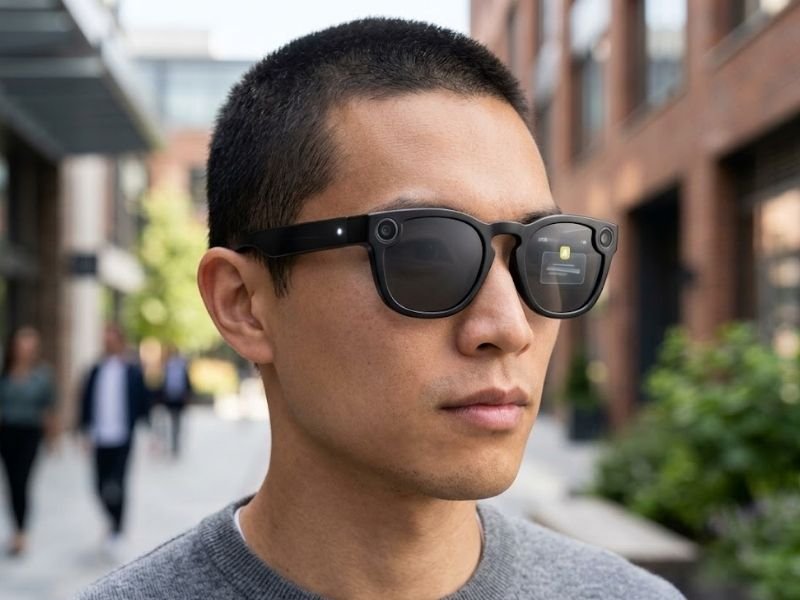
Introduction Snap SPECS represents an interesting step in the development of connected eyewear and the wider wearable technology market. As consumers
Introduction
Snap SPECS represents an interesting step in the development of connected eyewear and the wider wearable technology market. As consumers become more comfortable with devices that combine digital features with everyday products, smart glasses are attracting increasing attention. Modern smart glasses can combine cameras, microphones, speakers, wireless connectivity, and intelligent software in a familiar eyewear design. At the same time, augmented reality glasses are pushing the industry toward more immersive experiences by bringing digital information closer to the user’s physical environment. Together, these developments show how wearable technology is moving beyond smartwatches and fitness trackers toward more natural, hands-free computing.
What Are Snap SPECS?
Snap SPECS can be viewed as part of the broader evolution of smart eyewear, where traditional glasses are combined with digital features.
The concept behind connected glasses is simple: instead of requiring users to constantly reach for a smartphone, certain digital functions can be accessed through a device worn directly on the face.
Depending on the specific product and generation, smart eyewear can include cameras for capturing photos and videos, microphones for voice commands, speakers for audio, and wireless connections for interacting with other devices.
This approach makes eyewear more than a visual accessory. It turns glasses into another interface for interacting with digital technology.
How Smart Glasses Are Changing Everyday Technology
Modern smart glasses are designed to make certain digital activities more convenient.
For example, users may be able to capture a photo without taking out a phone. They can listen to music or receive information through built-in speakers while continuing with another activity.
Voice interaction can also make the experience more hands-free.
This can be useful for travelers, content creators, professionals, and people who simply want easier access to certain smartphone functions.
The biggest advantage is convenience. Instead of opening an application and navigating through menus, users may be able to interact with technology through simple voice commands or physical controls.
The Connection Between Snap SPECS and Augmented Reality
It is important to distinguish between smart glasses and augmented reality glasses.
Smart glasses can offer features such as cameras, audio, notifications, and voice assistance without necessarily displaying digital information in front of the user’s eyes.
Augmented reality glasses go a step further by potentially placing digital graphics, instructions, or other information within the user’s view of the real world.
This difference is important because full AR requires more advanced displays, sensors, processors, and power management.
As hardware improves, the gap between conventional smart eyewear and more advanced AR products may become smaller.
Cameras and Hands-Free Content Creation
One of the most practical applications of smart eyewear is hands-free content creation.
A camera integrated into glasses can allow users to capture experiences from a first-person perspective.
This can be particularly interesting for travel, sports, events, and everyday moments.
Instead of holding a smartphone in front of the scene, users can potentially record while keeping their hands free.
However, responsible use is important.
People should be aware of privacy expectations and applicable recording laws when using wearable cameras in public or private environments.
Voice Assistants and AI Features
Artificial intelligence can make connected eyewear more useful.
AI assistants can potentially help users answer questions, organize information, translate language, or interact with connected services.
Instead of treating glasses simply as a camera or audio device, AI can turn them into a more interactive computing platform.
This could eventually allow users to ask questions about their surroundings or receive contextual assistance.
However, AI systems are not perfect. Their responses can sometimes be inaccurate, so important decisions should not rely entirely on AI-generated information.
Wearable Technology Is Becoming More Natural

Snap SPECS
The growth of wearable technology is partly about making digital tools less intrusive.
Smartwatches require users to look at their wrists. Smartphones require users to hold a device.
Smart eyewear offers another possibility: technology that remains available while users continue looking at the world around them.
This hands-free approach could make wearable devices more useful in situations where using a phone is inconvenient.
The challenge is creating products that people actually want to wear.
Comfort, appearance, weight, battery life, and reliability all matter.
Design and Comfort Matter
Technology can be impressive, but consumers still expect glasses to feel like glasses.
A device that is too heavy or uncomfortable may not be practical for all-day use.
Designers therefore need to balance electronics with traditional eyewear requirements.
Frame size, lens options, weight distribution, controls, and battery placement can all affect the user experience.
For Snap SPECS and similar products to gain wider adoption, the technology needs to fit naturally into everyday lifestyles.
People should be able to wear the device without feeling that they are carrying a small computer on their face.
Privacy and Security Concerns
Smart eyewear introduces important privacy questions.
Cameras and microphones can collect information from the surrounding environment.
People nearby may not always know whether they are being recorded or how information is being processed.
Manufacturers can address some of these concerns through recording indicators, privacy controls, clear policies, and responsible product design.
Users also need to behave responsibly.
Before using smart glasses in workplaces, schools, private properties, or other sensitive environments, users should check the relevant rules and expectations.
Security is also important because connected devices can potentially become targets for unauthorized access.
Battery Life and Connectivity Challenges
Battery life remains one of the major challenges for wearable electronics.
Small devices have limited space for batteries, while cameras, wireless connections, speakers, displays, and AI features can consume significant amounts of power.
Manufacturers therefore need to improve energy efficiency while keeping devices lightweight.
Connectivity is another factor.
Many smart eyewear features may depend on a smartphone or internet connection.
If the connection is weak or unavailable, certain functions may not work as expected.
Future products will likely focus on better processors, more efficient batteries, and improved connectivity.
Potential Uses of Augmented Reality Glasses
The potential applications of augmented reality glasses extend beyond entertainment.
In education, AR could provide interactive visual information.
In professional environments, workers could potentially receive instructions while keeping their hands free.
Navigation is another promising application. Instead of looking down at a phone, users could eventually receive directions within their field of view.
Healthcare, manufacturing, logistics, retail, and training could also benefit from hands-free visual information.
However, widespread AR adoption will depend on cost, comfort, battery life, software availability, and the quality of the user experience.
Snap SPECS and the Future of Wearable Technology
The future of wearable technology is likely to involve greater integration between AI, sensors, smartphones, and cloud services.
Smart eyewear could become another important way for people to interact with digital information.
AI may make these devices more conversational, while improved cameras and sensors could provide greater awareness of the user’s surroundings.
At the same time, manufacturers will need to make products comfortable, attractive, affordable, and respectful of privacy.
The technology will only become mainstream if it provides clear benefits without making everyday life more complicated.
What Consumers Should Consider
Anyone interested in Snap SPECS or similar smart eyewear should look beyond marketing claims.
Consider the actual features available, battery performance, compatibility with smartphones, audio quality, camera capabilities, privacy controls, and software support.
Users should also think about where they plan to use the glasses.
Someone interested in photography may value camera performance, while a professional may care more about communication and hands-free access.
The right product ultimately depends on individual needs.
Conclusion
Snap SPECS highlights the growing interest in intelligent eyewear and the future of connected devices. Modern smart glasses can bring cameras, audio, connectivity, and AI-powered features into an everyday accessory, while augmented reality glasses have the potential to place digital information directly into a user’s physical environment. As wearable technology continues to evolve, smart eyewear could become an increasingly important part of personal computing. However, successful adoption will depend on comfort, battery life, privacy, affordability, and genuine everyday usefulness. The future of eyewear may not simply be about seeing better—it could also be about interacting with the digital world in a more natural and hands-free way.

COMMENTS