
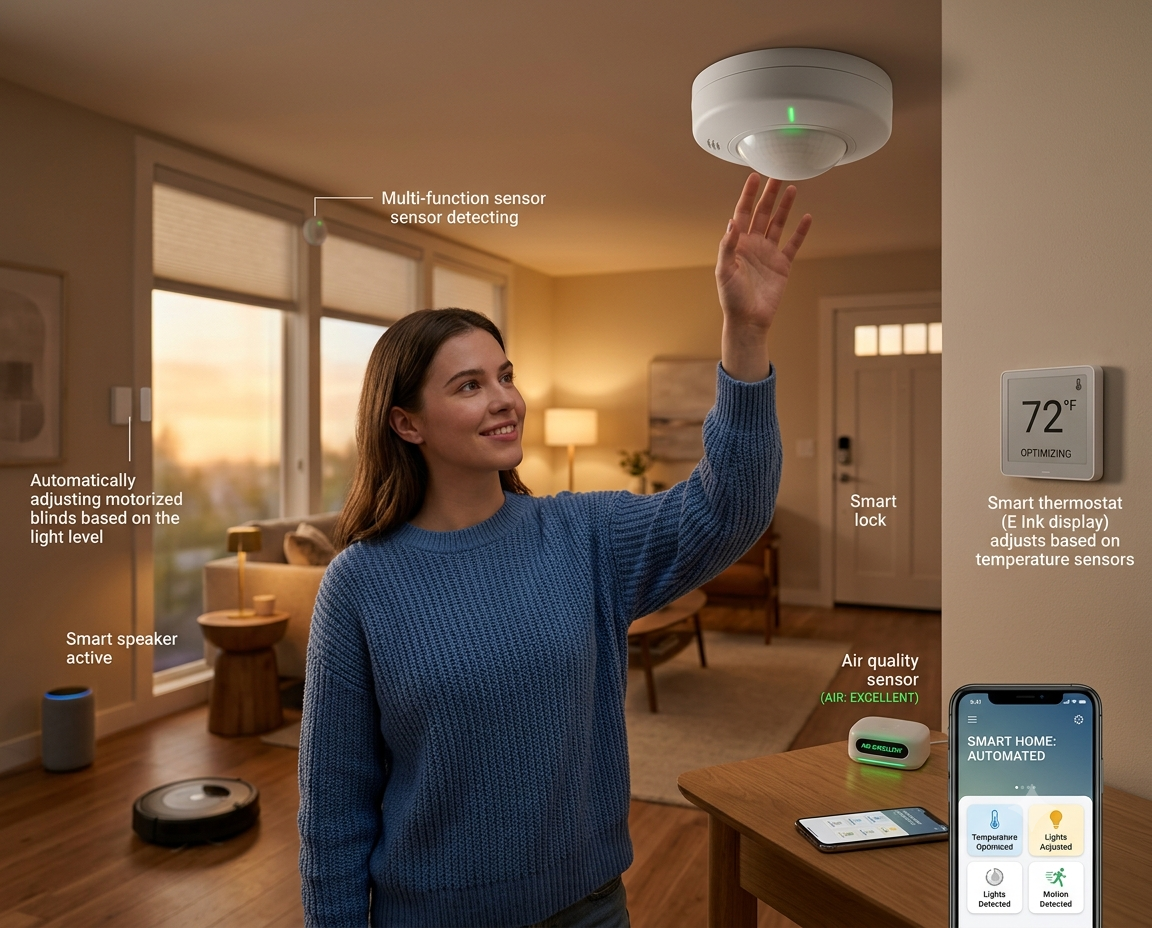
Introduction Artificial intelligence is transforming modern homes by making everyday devices smarter, more efficient, and easier to manage. How AI Se
Introduction
Artificial intelligence is transforming modern homes by making everyday devices smarter, more efficient, and easier to manage. How AI Sensors Improve Smart Homes and Everyday Living has become an important topic as homeowners increasingly rely on intelligent technologies to enhance comfort, security, and energy efficiency. From smart thermostats and security cameras to lighting systems and voice assistants, AI-powered sensors continuously collect data and make real-time decisions based on user behavior. By combining advanced sensor technology, interconnected devices, and powerful predictive analytics, smart homes can automate routine tasks, enhance safety, and create a more convenient lifestyle for families worldwide.
How AI Sensors Improve Smart Homes and Everyday Living
The concept of a smart home has evolved significantly over the past decade. Traditional automated devices simply followed programmed instructions, while modern AI-powered systems learn user habits and respond intelligently to changing conditions.
Understanding How AI Sensors Improve Smart Homes and Everyday Living helps homeowners appreciate how artificial intelligence enhances convenience, reduces energy consumption, and improves overall quality of life.
What Are AI Sensors?
AI sensors are intelligent devices that collect environmental data and use AI to analyze it, recognize patterns, and make automated decisions.
Unlike traditional sensors, AI-powered sensors can adapt to changing situations and improve their performance over time through machine learning.
These sensors can detect:
- Motion
- Temperature
- Humidity
- Light levels
- Sound
- Air quality
- Occupancy
- Water leaks
The collected information allows smart devices to respond automatically without constant human intervention.
How AI Sensors Work
Modern AI sensors combine hardware and software to create intelligent automation.
Their operation generally follows these steps:
- Collect environmental data.
- Analyze information using AI algorithms.
- Identify patterns and user behavior.
- Make intelligent decisions.
- Trigger automated responses.
- Continue learning from new data.
This continuous learning process improves system performance over time.
Sensor Technology
Modern sensor technology forms the foundation of every smart home.
Today’s sensors are designed to be highly accurate, energy-efficient, and responsive.
Popular sensor types include:
- Motion sensors
- Temperature sensors
- Door and window sensors
- Smoke detectors
- Water leak sensors
- Light sensors
- Air quality monitors
- Occupancy sensors
Each sensor contributes to creating a safer and more efficient living environment.
Connected Devices
One of the biggest advantages of smart homes is the ability to integrate multiple connected devices into one unified system.
Examples include:
- Smart thermostats
- Security cameras
- Smart locks
- Video doorbells
- Voice assistants
- Smart lighting
- Smart appliances
- Robot vacuum cleaners
These devices communicate with one another, creating seamless automation throughout the home.
Predictive Analytics
Artificial intelligence becomes even more powerful when combined with predictive analytics.
Instead of simply reacting to events, predictive systems anticipate future needs based on historical data.
For example, AI systems can:
- Adjust temperatures before occupants arrive.
- Turn off lights in empty rooms.
- Detect unusual activity.
- Predict equipment maintenance needs.
- Optimize energy usage.
- Recommend automation improvements.
This proactive approach improves both comfort and efficiency.
Smart Home Security
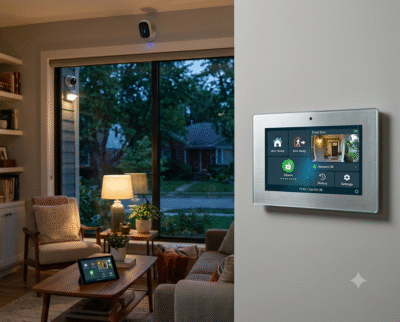
AI Sensors Improve
AI-powered security systems offer greater protection than traditional alarms.
Advanced features include:
- Facial recognition
- Motion detection
- Vehicle recognition
- Package detection
- Intruder alerts
- Real-time notifications
AI reduces false alarms by distinguishing between people, pets, vehicles, and harmless movement.
Energy Efficiency
Smart homes help reduce electricity consumption through intelligent automation.
AI systems can:
- Optimize heating and cooling
- Manage lighting schedules
- Reduce standby power usage
- Monitor appliance performance
- Detect energy waste
- Suggest efficiency improvements
These capabilities lower utility bills while supporting environmental sustainability.
Everyday Convenience
AI sensors simplify many daily activities.
Examples include:
- Automatic lighting control
- Voice-activated assistants
- Smart coffee makers
- Automated curtains
- Intelligent irrigation systems
- Smart refrigerators
These features save time and improve overall comfort.
Health and Safety Benefits
AI sensors also improve household health and safety.
They help monitor:
- Indoor air quality
- Smoke and fire hazards
- Carbon monoxide levels
- Water leaks
- Elderly movement
- Emergency situations
Early detection allows homeowners to respond quickly and minimize potential damage.
Challenges and Privacy
Despite their benefits, AI-powered smart homes also present challenges.
Homeowners should consider:
- Data privacy
- Cybersecurity
- Internet reliability
- Device compatibility
- Software updates
- Long-term maintenance
Choosing trusted manufacturers and maintaining secure networks helps reduce these risks.
Future of AI Sensors
Artificial intelligence continues to expand the capabilities of smart home technology.
Future developments may include:
- Emotion-aware automation
- Smarter voice assistants
- Self-learning appliances
- Fully autonomous homes
- Advanced predictive maintenance
- Improved energy management
As technology evolves, smart homes will become even more intelligent and efficient.
Why AI Sensors Matter
AI sensors provide homeowners with greater control over their living environments while improving comfort, security, and energy efficiency.
The combination of intelligent automation and real-time decision-making helps reduce manual effort and supports more sustainable lifestyles.
As adoption continues to grow, AI sensors are expected to become a standard feature in modern homes.
Conclusion
How AI Sensors Improve Smart Homes and Everyday Living demonstrates the growing role of artificial intelligence in creating safer, smarter, and more efficient homes. Through advanced sensor technology, intelligent connected devices, and powerful predictive analytics, AI-driven systems automate routine tasks, strengthen home security, optimize energy consumption, and improve everyday convenience. As innovation continues, AI sensors will remain at the center of smart home development, helping homeowners enjoy greater comfort, lower operating costs, and a more connected lifestyle.
Frequently Asked Questions (FAQs)
What are AI sensors?
AI sensors are intelligent devices that collect environmental data and use artificial intelligence to analyze information, recognize patterns, and automate responses.
How does sensor technology improve smart homes?
Modern sensor technology enables smart homes to monitor motion, temperature, lighting, air quality, security, and energy use while automatically adjusting systems for improved efficiency and comfort.
What are connected devices?
Connected devices are internet-enabled products such as smart thermostats, cameras, lights, locks, and appliances that communicate with each other within a smart home ecosystem.
What is predictive analytics in smart homes?
Predictive analytics uses historical data and artificial intelligence to forecast user needs, optimize automation, reduce energy waste, and improve system performance.
Are AI-powered smart homes secure?
Yes, when properly configured with strong passwords, encrypted networks, regular software updates, and trusted manufacturers, AI-powered smart homes provide reliable security while protecting user privacy

COMMENTS