
Technology has changed the way people communicate, work, shop, and manage their homes. Mobile applications that once served simple purposes, such as s
Technology has changed the way people communicate, work, shop, and manage their homes. Mobile applications that once served simple purposes, such as sending messages or checking the weather, can now connect users with intelligent devices and automated systems. The journey from mobile apps to smart machines shows how digital technology is making everyday activities more convenient, connected, and efficient. From controlling home lighting with a smartphone to monitoring fitness through wearable devices, these innovations are becoming an important part of modern life.
Understanding Mobile Apps to Smart Machines
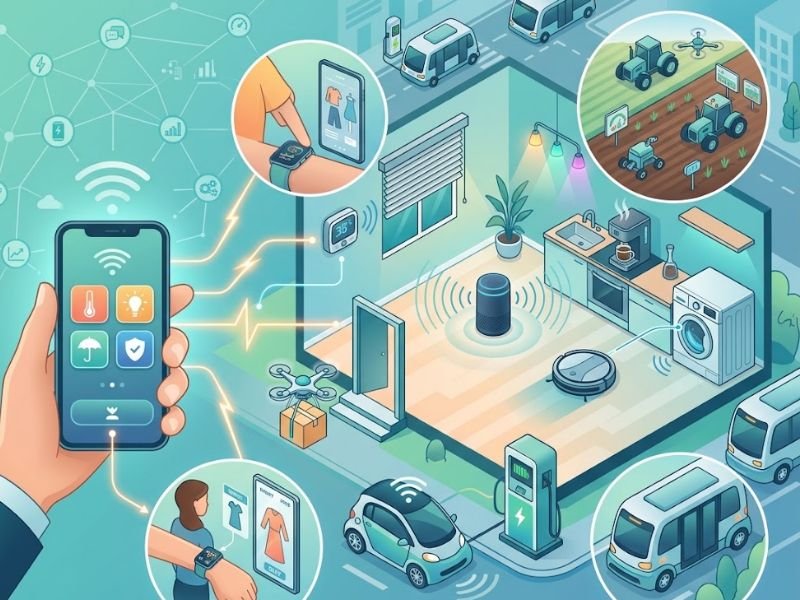
A mobile app control interface for IoT (Internet of Things) devices allows smartphones to connect to a broad range of smart systems, including smart TVs, security cameras, smart home appliances, smart wearable technology, and smart industrial machines. Many smart systems are able to function over the Internet with the use of IoT, and a few of these smart systems can even take it a step further with the addition of AI. For instance, smart systems for the home, like a smart thermostat, use a combination of temperature sensors and users’ settings to adjust smart indoor environmental control, while a smart connected security camera sends notifications to the user once motion is detected.
How Mobile Apps Make Everyday Tasks Easier
Mobile apps can serve as a single command center to address most daily tasks. For instance, instead of controlling various equipment individually, users have the flexibility to edit, monitor, and manage the connected devices from their smartphone. An app allows a user to turn off smart lighting while leaving home. A user can monitor the status of a washing machine or control the temperature from outside of the house. Most people find that the apps greatly simplify their day and can even save time.
Smart Homes and Connected Living
Smart home technology shows how mobile apps link people with devices. Things like bulbs, thermostats, door locks, cameras, speakers, and appliances can often be controlled through special apps or smart home platforms. People can set up routines to make daily tasks easier. For example, a morning routine could slowly turn on the lights, change the temperature, and start a coffee maker if it’s connected. A homeowner can also use their phone to look at a doorbell camera while they’re away. These systems make life more convenient. Let users keep an eye on their homes. Some devices can even help save energy with set schedules. Much like mobile apps
Smart Machines in Healthcare and Fitness
Connected technology is also changing the way people keep track of their health and physical activity. Fitness trackers and smartwatches can collect data such as steps taken, time spent exercising, heart rate, and sleep habits. The apps that go with these devices put this data into reports that people can look at over time. These devices can help people get to know their activity routines and create fitness targets. Some connected medical devices let users take measurements and send details to doctors or other health workers based on the device and the privacy rules that apply.
Transforming Businesses and Industrial Operations
Mobile Apps to Smart Machines
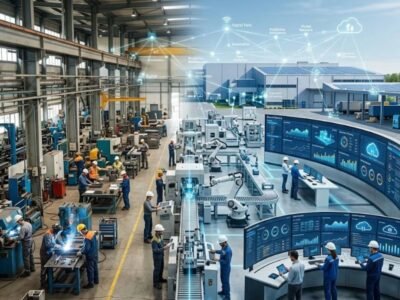
The connection between applications and smart machines goes beyond homes and personal devices. Businesses are using systems more and more to keep an eye on equipment, follow inventory, manage deliveries, and get a clearer view of operations. In manufacturing, sensors gather data on how machines are performing and send that data to monitoring software. Workers can use dashboards to check the status of machines, spot possible issues, or get alerts about needed maintenance. This helps companies plan repairs ahead of time and avoid breakdowns. These technologies don’t automatically mean results. Their success depends on data, proper training for staff, secure systems, and how well they fit into current business processes.
The Role of Artificial Intelligence and Automation
Artificial intelligence can make connected devices more useful by helping them understand data and react to situations. For example, some smart home systems learn from how users behave,e and smart monitoring tools can spot changes in how machines are working. When mobile apps, connected hardware, and artificial intelligence work together,r people can handle complicated tasks with less hands-on work. Automated systems still need the right settings, regular upkeep, and human watchfulness. This is especially true when errors could hurt safety or harm business operations.
Challenges of Connected Devices
Even though connected technologies bring benefits,s they also bring challenges. Devices made by manufacturers may not work well together, and some features need a steady internet connection or a specific subscription. Older devices may also stop getting security updates, which adds risk. Privacy is another issue. Connected devices can gather usage data, location data, audio, video, or other personal details depending on what they do. Before installing an app,p users should look at its permissions. Understand how data is collected, stored,ed and shared.
Conclusion
The growing link between apps and smart machines changes everyday life by making devices easier to control, watch, and automate. I see homes and fitness trackers and even connected factories and farm systems all using these technologies to let people get useful information and handle tasks more quickly. As the Internet of Things, mobile software, and artificial intelligence keep growing, connected devices become more powerful. Convenience must be balanced with privacy, security, compatibility, and responsible use. By picking the devices and keeping them in good shape, people and companies can enjoy a more connected and efficient digital world.
Frequently Asked Questions
1. What do mobile apps for smart machines mean?
It describes how smartphone applications connect with physical devices, allowing users to control equipment, monitor information, and automate selected tasks.
2. How do mobile apps control smart machines?
Applications communicate with compatible devices through technologies such as Wi-Fi, Bluetooth, or internet-based services. The exact connection method depends on the product.
3. What are some examples of smart machines controlled by mobile apps?
Examples include smart lights, thermostats, security cameras, fitness trackers, connected appliances, and certain industrial monitoring systems.
4. Do smart machines always require artificial intelligence?
No. Many connected devices use basic sensors, programmed rules, or remote-control functions without AI. Artificial intelligence is an additional capability found in some systems.
5. Are connected smart devices safe to use?
They can be used more securely by keeping software updated, using strong passwords, enabling multifactor authentication when available, and reviewing privacy settings. No connected device is completely free from security risks.

COMMENTS