

Introduction to the DL275 Incident When Delta Flight DL275 was forced to divert to Los Angeles, it wasn’t just another routine aviation event; it bec
Introduction to the DL275 Incident
When Delta Flight DL275 was forced to divert to Los Angeles, it wasn’t just another routine aviation event; it became a moment that highlighted both the strengths and limitations of modern air travel. Flights divert for many reasons, but long-haul international routes like Detroit to Tokyo carry higher stakes. Passengers expect smooth, uninterrupted journeys, and airlines invest heavily in ensuring that happens. So when something goes wrong mid-air, it naturally raises questions. This particular diversion grabbed attention because of its scale, timing, and cost. A flight already deep into its journey had to change course, burning additional fuel and disrupting schedules across multiple continents. It wasn’t just about inconvenience; it was about safety, decision-making, and the hidden complexity behind airline operations. Events like this remind us that even in an era of advanced aviation technology, unpredictability still exists.
Initial Reactions from Passengers and Experts
Passengers onboard reportedly experienced a mix of confusion and concern when the diversion was announced. For many, it was their first time encountering such a situation, especially on a long-haul international flight. However, what stood out was how calmly the situation was handled. The flight crew communicated effectively, ensuring passengers understood that the diversion was precautionary rather than immediately dangerous. Aviation experts, on the other hand, quickly shifted focus to the technical side. They emphasized that diversions like this are often signs of systems working correctly not failing. When an issue is detected, pilots are trained to act conservatively. In this case, the decision to divert showed a commitment to safety over schedule, which is exactly how aviation protocols are designed.
Quick Overview of the Diversion
Flight Route and Aircraft Details
Delta Flight DL275 was scheduled to operate a long-haul journey from Detroit Metropolitan Wayne County Airport to Tokyo Haneda Airport. The aircraft assigned for this route was the Airbus A350-900, one of the most advanced and fuel-efficient wide-body jets in service today. Known for its long-range capabilities and passenger comfort, the A350 is typically used for intercontinental flights. However, despite its advanced engineering, even modern aircraft rely on complex systems that must function perfectly. In this case, a critical component related to engine safety became the focal point of the entire incident.
Key Facts at a Glance
| Detail | Information |
| Route | Detroit (DTW) → Tokyo (HND) |
| Aircraft | Airbus A350-900 |
| Diversion Airport | Los Angeles (LAX) |
| Issue | Engine anti-ice system failure |
| Flight Duration Before Diversion | 12 hours 15 minutes |
| Estimated Cost | $2.3 million |
These numbers alone tell a compelling story. A 12-hour flight suddenly changing direction isn’t a minor adjustment it’s a major operational shift.
Timeline of Events
Departure from Detroit
The journey began with a slight delay due to an incoming aircraft arriving late from Amsterdam. While delays are common in aviation, they can sometimes create a domino effect. Despite the late start, passengers boarded with expectations of a routine long-haul flight to Tokyo. As the aircraft took off and climbed to cruising altitude, everything initially appeared normal. The crew settled into the long journey, and passengers began their in-flight routines, watching movies, eating meals, or resting.
Mid-Air Emergency Detection
Hours into the flight, while cruising at 38,000 feet over the North Pacific, the situation changed. The pilots detected a malfunction in the Rolls-Royce Trent XWB engine’s anti-ice system. This system plays a crucial role in preventing ice buildup on engine components, especially in high-altitude conditions where temperatures can drop significantly. An issue with this system isn’t something that can be ignored. Ice accumulation can impact engine performance and, in extreme cases, pose safety risks. The crew had to act quickly, analyzing the situation and evaluating their options.
Decision to Divert to LAX
Rather than continuing toward Tokyo or turning back to Detroit, the pilots chose Los Angeles as the diversion point. This decision was based on several factors, including proximity, available infrastructure, and support services. It wasn’t just about landing it was about landing somewhere equipped to handle the situation efficiently. The aircraft eventually landed safely at LAX, bringing relief to passengers and crew after a long and unexpected journey.
Technical Cause of the Diversion
Engine Anti-Ice System Failure Explained
The anti-ice system in jet engines is designed to prevent ice formation on critical components. At high altitudes, moisture in the air can freeze rapidly, creating dangerous conditions. The system uses heat or other mechanisms to ensure that ice does not accumulate. When this system fails, the risk level increases significantly. Pilots must then consider factors like weather conditions, altitude, and remaining flight time. Continuing the journey without a functioning anti-ice system could expose the aircraft to unpredictable risks.
Why This Issue Is Critical in Aviation
In aviation, redundancy and safety margins are everything. Systems are designed with backups, but when a primary safety feature shows signs of malfunction, the safest course of action is often to divert. This is not a sign of failure it’s a demonstration of how seriously safety is taken.
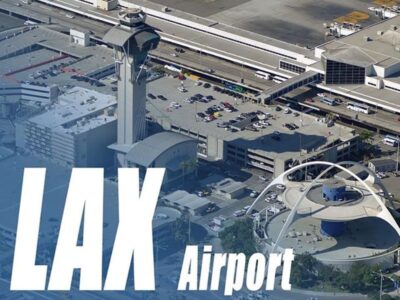
Why Los Angeles (LAX) Was Chosen
Maintenance and Technical Support
Los Angeles International Airport is one of Delta’s major hubs and is equipped with advanced maintenance facilities. It also has access to specialized support for Rolls-Royce engines, making it an ideal location for addressing the issue quickly.
Passenger Handling and Logistics
Another major factor was passenger convenience. LAX offers multiple daily flights to Tokyo, making it easier to rebook passengers or arrange alternative travel plans. This reduces disruption and helps maintain customer satisfaction.
Safety and Runway Requirements
LAX also provides long runways, favorable weather conditions, and robust emergency services. For a fully loaded long-haul aircraft, these factors are crucial for a safe landing.
Role of Technology in Preventing Such Incidents
Predictive Maintenance and AI
Modern aviation is increasingly turning to artificial intelligence for predictive maintenance. These systems analyze vast amounts of data to detect potential issues before they become serious problems. In theory, the malfunction in DL275 could have been identified hours before takeoff.
Real-Time Monitoring Systems
Real-time monitoring allows engineers to track engine performance continuously. If anomalies are detected early, maintenance teams can address them before the aircraft even leaves the ground. This not only improves safety but also reduces costs and disruptions.
Financial Impact on Delta Airlines
An incident like this doesn’t come cheap. The estimated cost of $2.3 million includes fuel, operational disruptions, maintenance, passenger accommodations, and scheduling adjustments. While airlines budget for unexpected events, such costs still have a noticeable impact.
Passenger Experience During the Diversion
From a passenger’s perspective, the experience can be stressful. However, in this case, reports suggest that the crew handled the situation professionally. Clear communication and calm behavior helped keep passengers reassured throughout the journey.
Airline Response and Safety Protocols
Delta followed standard safety protocols, prioritizing passenger safety above all else. The airline is also working with engineers to determine the root cause and prevent similar incidents in the future.
Broader Implications for Aviation Safety
This incident highlights the importance of continuous improvement in aviation technology. While current systems are highly reliable, there is always room for advancement. Integrating AI and predictive analytics could significantly reduce the likelihood of similar events.
What Travelers Should Do After Such Incidents
If you ever find yourself in a similar situation, staying informed is key. Use airline apps for updates, communicate with customer service, and understand your rights regarding compensation and rebooking.
Conclusion
The diversion of Delta Flight DL275 to LAX serves as a powerful reminder that aviation safety is a dynamic and evolving field. While disruptions are inconvenient, they are often the result of systems working exactly as intended. With continued investment in technology and safety protocols, the future of air travel looks not only safer but also smarter.
FAQs
1. Why did Delta Flight DL275 divert to LAX?
Due to a malfunction in the engine anti-ice system, which posed a safety risk.
2. Was anyone injured during the incident?
No, all passengers and crew were safe.
3. How long was the flight before diversion?
Approximately 12 hours and 15 minutes.
4. Can such issues be prevented in the future?
Yes, with advanced predictive maintenance and AI systems.
5. What should passengers do after a diversion?
Check airline updates, rebooking options, and compensation policies.

COMMENTS