
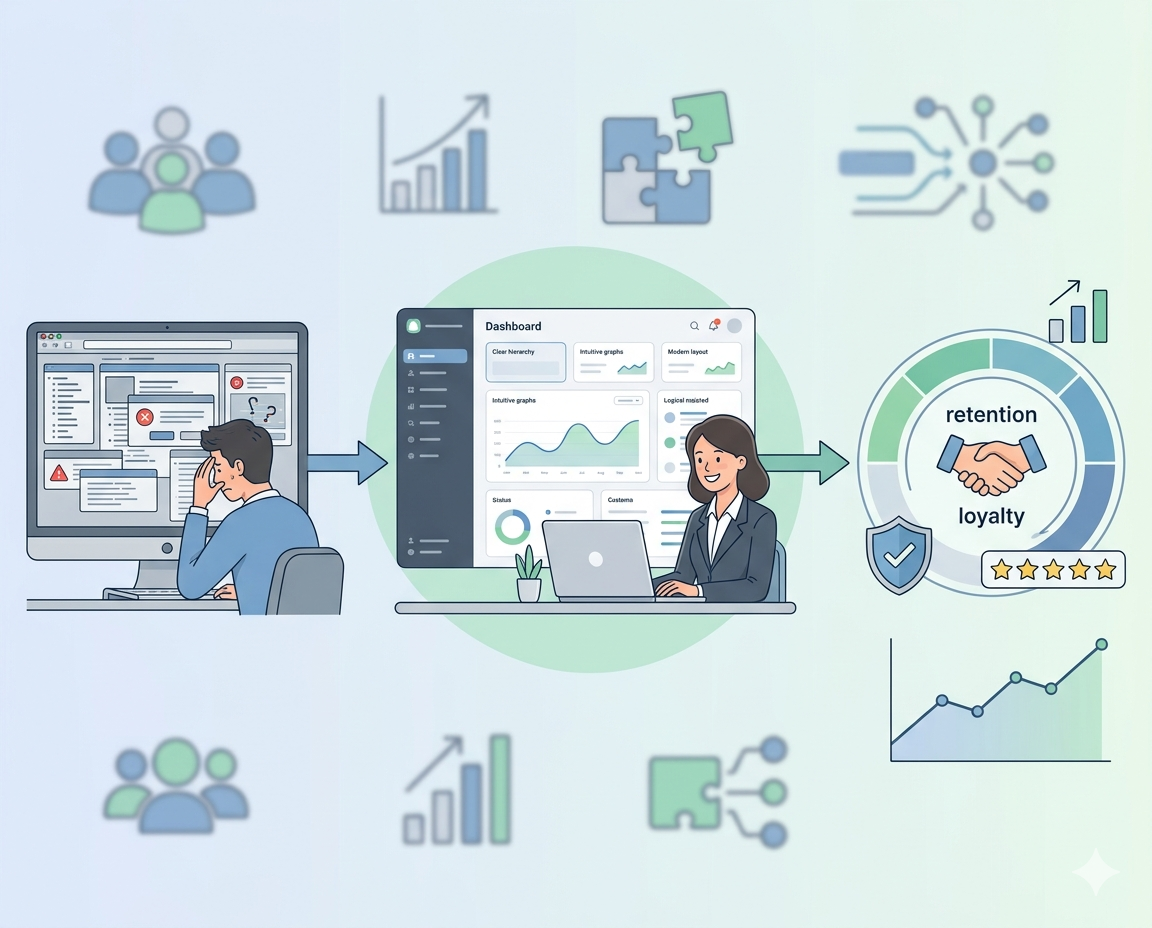
Introduction In the highly competitive software industry, attracting customers is only half the battle. Retaining them is what determines long-term s
Introduction
In the highly competitive software industry, attracting customers is only half the battle. Retaining them is what determines long-term success. Many SaaS companies invest heavily in marketing and sales, but often overlook one of the most important factors influencing customer loyalty: B2B SaaS Design. A well-designed software platform can improve usability, increase user satisfaction, and encourage long-term engagement. On the other hand, poor design can frustrate users and drive them toward competitors. As businesses increasingly rely on cloud-based software solutions, creating exceptional user experiences has become essential. This is why B2B SaaS Design plays a critical role in customer retention and overall business growth.
Understanding B2B SaaS Design
B2B SaaS Design refers to the process of designing software applications intended for business users. Unlike consumer applications, B2B software often supports complex workflows, multiple user roles, and specialized business processes.
The goal is to create interfaces that are intuitive, efficient, and easy to navigate while helping users accomplish their tasks with minimal friction. Effective design ensures that customers can quickly understand the platform and derive value from it.
As businesses adopt increasingly sophisticated software tools, thoughtful design becomes a key differentiator in the marketplace.
The Importance of SaaS User Experience
One of the primary reasons B2B SaaS Design influences customer retention is its direct impact on SaaS user experience. User experience encompasses every interaction a customer has with a software platform, from onboarding to daily usage.
When users encounter confusing interfaces, complicated workflows, or unnecessary obstacles, frustration grows quickly. Over time, this frustration can lead to lower engagement and eventual customer churn.
A positive SaaS user experience helps users achieve their goals efficiently and confidently. When customers consistently enjoy using a platform, they are more likely to remain loyal and continue renewing their subscriptions.
Investing in user experience is therefore an investment in long-term customer retention.
How SaaS UI Design Affects Customer Satisfaction
Visual design plays a significant role in shaping user perceptions. Effective SaaS UI design ensures that information is presented clearly and actions are easy to complete.
Good interface design includes:
- Simple navigation structures
- Consistent layouts
- Clear visual hierarchy
- Readable typography
- Accessible controls
- Responsive design
These elements contribute to a smoother user experience and reduce the learning curve for new customers.
A well-designed interface creates confidence and trust, while a poorly designed interface can make even powerful software feel difficult to use. This is why SaaS UI design is a critical component of customer satisfaction and retention.
The Connection Between B2B Software Design and Adoption
B2B SaaS Design
User adoption is one of the biggest challenges facing SaaS companies. Even feature-rich products can struggle if users find them difficult to understand or implement.
Effective B2B software design improves adoption rates by simplifying complex processes and helping users quickly achieve meaningful results. When customers can easily integrate a platform into their workflows, they are more likely to become active users.
Higher adoption rates often lead to stronger customer relationships because users become dependent on the software for daily operations. This dependency increases the likelihood of long-term retention.
Design is therefore not just about appearance—it directly impacts how customers engage with the product.
Streamlining User Onboarding
First impressions matter. The onboarding experience often determines whether new customers continue using a platform or abandon it early.
Strong B2B SaaS Design focuses on creating smooth onboarding experiences that guide users through setup and key features. Interactive tutorials, helpful tooltips, and intuitive navigation can significantly reduce confusion.
When customers quickly understand how a platform solves their problems, they are more likely to recognize its value. This early success encourages continued engagement and increases retention rates.
A poor onboarding experience, however, can lead to frustration before users even begin benefiting from the software.
Reducing Customer Churn Through Better Design
Customer churn is a major concern for SaaS businesses because acquiring new customers is often more expensive than retaining existing ones.
A thoughtful design strategy can help reduce churn by addressing common user frustrations and improving overall satisfaction. Features such as personalized dashboards, streamlined workflows, and responsive support interfaces contribute to a better experience.
By continuously improving the platform based on user feedback, companies can strengthen customer loyalty and reduce the likelihood of cancellations.
Retention often depends on how effectively a product supports users throughout their journey.
Enhancing Productivity and Efficiency
Business users choose software solutions because they expect them to improve productivity. Effective B2B software design helps users complete tasks faster and more accurately.
Well-designed systems minimize unnecessary steps and provide quick access to important information. This efficiency saves time and allows organizations to achieve better results with fewer resources.
When users consistently experience productivity gains, they are more likely to view the software as essential to their operations. This perception strengthens customer retention and increases lifetime value.
The Future of B2B SaaS Design
As technology evolves, B2B SaaS Design will continue incorporating new innovations such as artificial intelligence, automation, and predictive analytics. These advancements will enable more personalized and efficient user experiences.
Future SaaS platforms may automatically adapt interfaces based on user behavior, provide intelligent recommendations, and streamline complex workflows through automation.
Companies that invest in modern design practices will be better positioned to meet changing customer expectations and maintain strong retention rates.
The future of SaaS success will depend not only on functionality but also on delivering exceptional user experiences.
Conclusion
B2B SaaS Design is a critical factor in customer retention because it directly influences usability, satisfaction, adoption, and long-term engagement. A strong SaaS user experience helps customers achieve their goals efficiently, while effective SaaS UI design creates intuitive and enjoyable interactions.
Additionally, thoughtful B2B software design supports onboarding, improves productivity, and reduces customer churn. As competition within the SaaS industry continues to grow, businesses that prioritize design will gain a significant advantage in retaining customers and driving sustainable growth.
FAQs
1. What is B2B SaaS Design?
B2B SaaS Design involves creating software experiences specifically for business users, focusing on usability, efficiency, and productivity.
2. Why is SaaS user experience important?
A positive SaaS user experience increases customer satisfaction, improves engagement, and supports long-term retention.
3. How does SaaS UI design affect retention?
Good SaaS UI design makes software easier to use, reduces frustration, and encourages customers to continue using the platform.
4. What role does onboarding play in customer retention?
Effective onboarding helps users understand the product quickly, increasing adoption and reducing early customer churn.
5. How can B2B software design improve business outcomes?
Well-designed software improves productivity, simplifies workflows, enhances user satisfaction, and supports long-term customer loyalty.

COMMENTS