
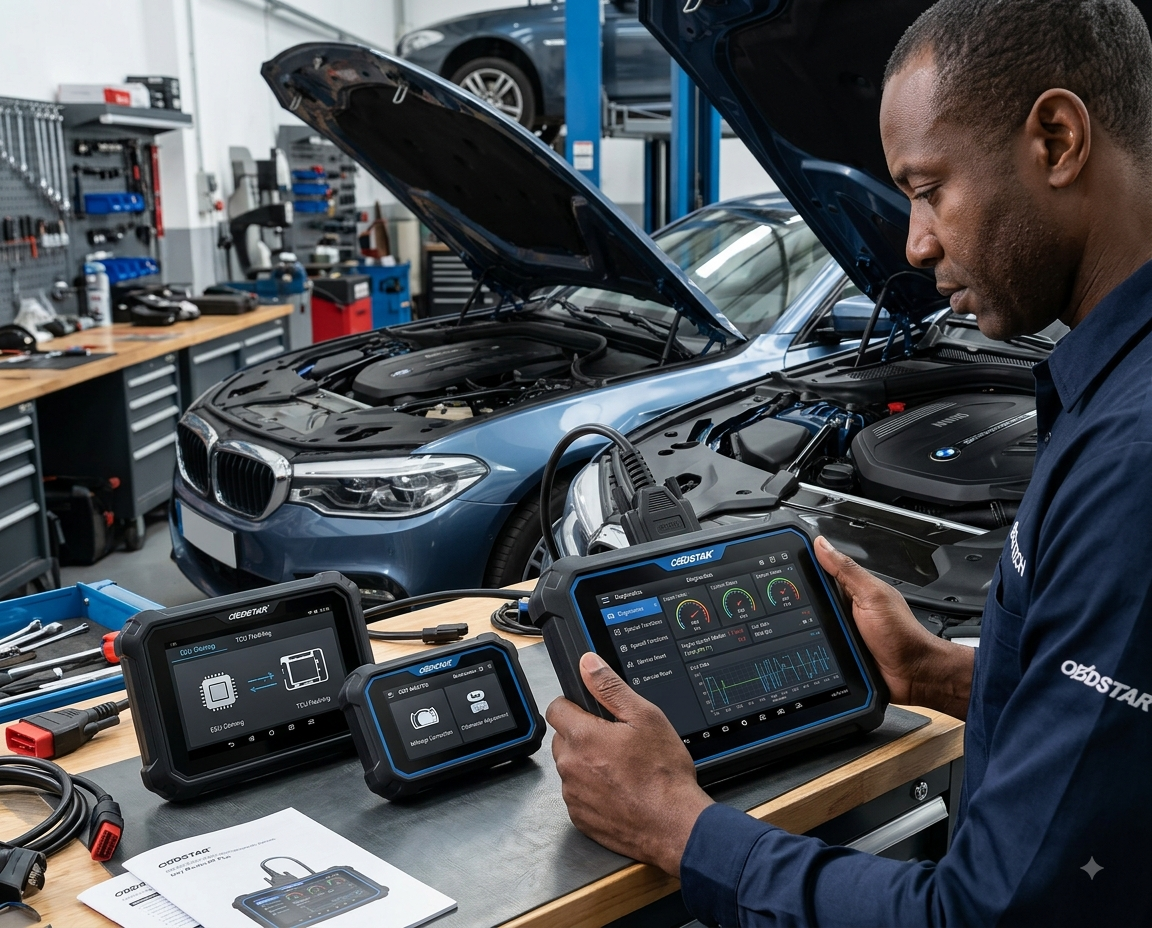
Introduction Modern vehicles have become far more advanced than the cars of previous generations. Electronic control units, sensors, computerized eng
Introduction
Modern vehicles have become far more advanced than the cars of previous generations. Electronic control units, sensors, computerized engine systems, advanced safety features, and connected technologies now play an important role in everyday driving. As vehicles become more sophisticated, mechanics and automotive technicians need reliable tools to identify problems quickly and accurately. OBDSTAR Devices are designed for this modern automotive environment, offering diagnostic capabilities that can help professionals understand vehicle faults and service requirements. Alongside other automotive diagnostic tools, these devices are becoming an important part of modern workshops. The development of better car diagnostic equipment is also closely connected to the wider growth of vehicle repair technology, helping technicians work more efficiently and make better-informed repair decisions.
What Are OBDSTAR Devices?
OBDSTAR Devices are automotive diagnostic and service tools designed to communicate with vehicle electronic systems. Depending on the specific model and application, these devices can provide different diagnostic and programming-related functions.
Modern vehicles contain numerous electronic modules that communicate with each other. When a problem occurs, the vehicle may store diagnostic information that can help technicians identify the affected system. A compatible diagnostic device can communicate with these systems and present useful information to the technician. The exact capabilities vary between OBDSTAR products, so workshops should select equipment based on the vehicle brands, systems, and services they regularly handle.
How Automotive Diagnostic Tools Have Changed
Traditional vehicle diagnosis often depended heavily on mechanical knowledge and visual inspection. While those skills remain important, modern vehicles require technicians to understand electronic systems as well. Today’s automotive diagnostic tools can communicate with onboard vehicle computers and retrieve diagnostic information. This allows technicians to investigate issues that may not be obvious through a simple visual inspection.
For example, an electronic fault may trigger a warning light on the dashboard without revealing the underlying cause. Diagnostic equipment can help technicians access stored fault information and determine which system needs further testing. This combination of electronic diagnostics and traditional mechanical expertise has changed the way vehicle repairs are approached.
The Role of Car Diagnostic Equipment
Modern car diagnostic equipment can support technicians throughout the repair process. Depending on the device, functions may include reading and clearing diagnostic trouble codes, viewing live data, performing system tests, and supporting various service procedures. Having the right equipment can save time because technicians can begin investigating a problem based on information collected directly from the vehicle.
However, diagnostic equipment does not replace professional expertise. A diagnostic code should normally be treated as a starting point for investigation rather than automatic proof that a particular component needs replacement. A skilled technician combines diagnostic information with testing, experience, and manufacturer specifications before deciding on a repair.
OBDSTAR Devices and Modern Vehicle Systems
Modern cars contain multiple electronic control units responsible for different functions. These can include engine management, transmission, airbags, body electronics, braking systems, and other vehicle features. OBDSTAR Devices can be used to access supported vehicle systems and provide information relevant to diagnosis or service procedures.
As vehicle electronics continue to develop, diagnostic equipment must also evolve. New vehicle models may introduce different communication protocols, electronic architectures, and security systems. For professional workshops, keeping diagnostic equipment updated can therefore be an important part of maintaining the ability to service newer vehicles.
Improving Diagnostic Efficiency
One of the biggest benefits of modern diagnostic technology is the potential to reduce unnecessary troubleshooting time.
A technician working without appropriate electronic diagnostic equipment may need to perform multiple manual tests before identifying where a problem could be located.
With compatible car diagnostic equipment, the technician can often begin with information obtained directly from the vehicle’s electronic systems. This can help narrow down potential causes and determine which additional tests should be performed.
Faster diagnosis can improve workshop productivity while also helping customers receive clearer explanations about their vehicle problems.
Vehicle Repair Technology Is Becoming More Advanced
The automotive industry is moving toward increasingly software-driven vehicles. Electric vehicles, hybrid systems, advanced driver-assistance features, connected cars, and sophisticated infotainment systems are creating new challenges for repair professionals.
This evolution means vehicle repair technology is becoming just as important as traditional mechanical equipment.
Technicians now need knowledge of electronics, software, sensors, communication networks, and computerized control systems in addition to mechanical components.
Diagnostic tools are therefore becoming an essential part of the modern technician’s toolkit.
Supporting Professional Automotive Workshops
A professional workshop may work on vehicles from many different manufacturers and model years. Each vehicle can have different diagnostic requirements.
Selecting appropriate OBDSTAR Devices can help a workshop build diagnostic capabilities around the vehicles it commonly services.
Before purchasing equipment, workshops should consider supported vehicle coverage, diagnostic functions, software updates, ease of use, connectivity, and technical support.
Choosing equipment based solely on the number of features may not be the best approach. What matters most is whether the device provides the functions required for the workshop’s actual customers.
The Importance of Software Updates

Automotive technology changes rapidly. New vehicle models, electronic systems, and diagnostic requirements are introduced regularly.
For this reason, software updates can be an important consideration when using professional diagnostic equipment. Updates may expand vehicle coverage, improve existing functions, or introduce support for newer systems.
Workshops should check the update policy associated with the equipment they are considering and understand whether updates involve additional costs or subscriptions.
Keeping equipment current can help technicians remain prepared for newer vehicles.
Diagnostic Technology and Technician Skills
Even advanced equipment requires a knowledgeable person behind it. A diagnostic device can provide information, but technicians must understand how to interpret that information correctly.
For example, a fault code may identify a circuit or system where an abnormal condition has been detected. It does not necessarily mean that the corresponding component is defective.
Professional diagnosis may require checking wiring, connectors, sensors, voltage levels, mechanical conditions, and other possible causes.
The most effective approach combines technology with practical experience.
Benefits for Vehicle Owners
Advanced diagnostic technology can also benefit vehicle owners. Faster and more accurate diagnosis may reduce unnecessary parts replacement and help technicians explain repair requirements more clearly.
When a workshop uses appropriate diagnostic equipment, customers can potentially receive a more structured assessment of their vehicle’s condition.
This can improve communication between technicians and vehicle owners, particularly when dealing with complicated electronic problems.
Choosing the Right Diagnostic Equipment
When selecting automotive diagnostic tools, workshops should consider several factors. Vehicle coverage is one of the most important because a device is only useful if it supports the vehicles being serviced.
Technicians should also consider diagnostic depth, supported service functions, software update options, user interface, connectivity, durability, and technical support.
Budget is another important factor, but purchasing the cheapest equipment may not always provide the best long-term value.
A better approach is to compare the equipment’s capabilities with the workshop’s current and expected future needs.
The Future of Automotive Diagnostics
The future of automotive diagnostics will likely involve even greater integration between software, artificial intelligence, cloud-based services, connected vehicles, and advanced sensors.
As vehicles become more computerized, diagnostic platforms may become better at organizing large amounts of vehicle data and helping technicians identify unusual patterns.
Electric and hybrid vehicles will also create new diagnostic requirements related to batteries, electric motors, power electronics, and high-voltage systems.
These developments will continue to push vehicle repair technology toward more connected and intelligent solutions.
Why OBDSTAR Devices Matter
The growing complexity of modern vehicles makes diagnostic capability increasingly important for repair professionals. OBDSTAR Devices represent one category of technology designed to support technicians working with electronic vehicle systems.
Their usefulness depends on the specific model, supported vehicles, available functions, and software capabilities. For workshops, the key is selecting equipment that matches their actual diagnostic and service requirements.
As automotive technology continues to evolve, professional diagnostic equipment will remain an important part of keeping modern vehicles properly maintained.
Conclusion
OBDSTAR Devices reflect the changing nature of automotive repair, where electronic systems and software are now closely connected to traditional mechanical components. Modern automotive diagnostic tools can help technicians access vehicle information, investigate electronic faults, and streamline troubleshooting. The right car diagnostic equipment can also improve workshop efficiency and support more informed repair decisions. At the same time, successful diagnosis still depends on technician knowledge and proper testing rather than simply relying on fault codes. As electric vehicles, connected cars, advanced electronics, and computerized systems become more common, vehicle repair technology will continue to evolve. For professional workshops, investing in suitable diagnostic capabilities can be an important step toward staying prepared for the future of automotive service.
Frequently Asked Questions
What are OBDSTAR Devices used for?
OBDSTAR Devices are automotive diagnostic and service tools. Depending on the specific model, they can support different vehicle diagnostic and electronic service functions.
Why are automotive diagnostic tools important?
Automotive diagnostic tools help technicians communicate with supported vehicle electronic systems and access diagnostic information that can assist with troubleshooting.
Can car diagnostic equipment identify every vehicle problem?
No. Diagnostic equipment provides useful information, but technicians often need additional testing and professional knowledge to determine the actual cause of a problem.
Why are software updates important for diagnostic equipment?
Software updates can help diagnostic equipment remain compatible with newer vehicles and may introduce improved or additional functions.
Is advanced diagnostic equipment useful for small workshops?
It can be, particularly for workshops that service modern vehicles with complex electronic systems. The right equipment should be selected according to the vehicles and services the workshop handles.
How is vehicle repair technology changing?
Vehicle repair technology is becoming increasingly electronic and software-based. Technicians now work with computerized control units, sensors, communication networks, electric systems, and connected vehicle technologies in addition to traditional mechanical components.

COMMENTS