
Introduction Electric Mobility Moves are transforming the way people think about transportation. For decades, cars and other vehicles have relied hea
Introduction
Electric Mobility Moves are transforming the way people think about transportation. For decades, cars and other vehicles have relied heavily on gasoline and diesel, but growing environmental concerns, advances in battery technology, and changing consumer preferences are accelerating the shift toward cleaner alternatives. Today, electric vehicles are becoming more common on roads around the world, while governments and companies are investing in charging networks and smarter transportation systems. This transition is not limited to electric cars. Buses, trucks, bicycles, scooters, and other forms of transport are also becoming electric. As sustainable transportation continues to grow, future mobility technology could make travel cleaner, smarter, and more efficient.
What Are Electric Mobility Moves?
Electric Mobility Moves refer to the ongoing transition from traditional fuel-powered transportation toward electric and low-emission alternatives. This includes the development of electric cars, public transportation, commercial vehicles, e-bikes, scooters, and supporting infrastructure such as charging stations.
The concept is about more than simply replacing gasoline engines with batteries. Modern mobility also involves connected technology, intelligent traffic systems, renewable energy, and improved transportation planning. The goal is to create transportation systems that are more efficient while reducing dependence on fossil fuels.
The Growth of Electric Vehicles
The increasing popularity of electric vehicles is one of the most visible changes in the transportation industry. Electric cars offer an alternative to traditional internal combustion engine vehicles. Instead of using gasoline or diesel, they rely primarily on electric motors powered by rechargeable batteries.
One reason for their growth is improving battery technology. Modern batteries are becoming more efficient and capable of supporting longer driving distances. Automakers are also expanding their electric vehicle lineups. Consumers now have more choices across different vehicle categories, including compact cars, luxury vehicles, SUVs, and commercial vans. However, widespread adoption still depends on factors such as vehicle prices, charging availability, battery performance, and electricity infrastructure.
How Sustainable Transportation Is Changing Cities
Sustainable transportation is becoming increasingly important as cities face traffic congestion, air pollution, and growing populations.
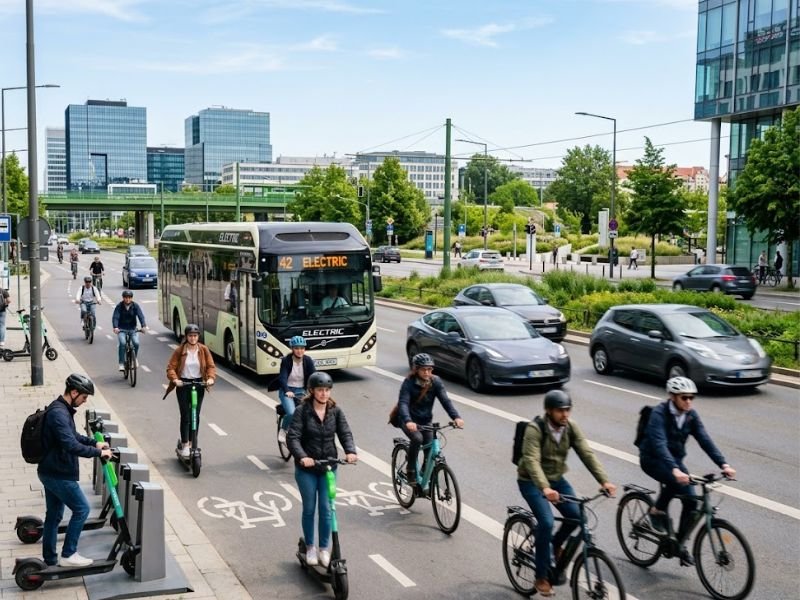
Electric public transportation can help reduce local emissions from buses and other vehicles. Electric bicycles and scooters may also provide alternatives for shorter journeys.
Cities are increasingly exploring transportation systems that combine public transit, walking, cycling, and electric mobility.
The future may involve fewer situations where people depend exclusively on private cars.
Instead, people could use a combination of transportation options depending on their needs.
For example, someone might take an electric train for a longer journey and use an e-bike for the final part of the trip.
Electric Mobility Moves Beyond Cars
While electric cars receive significant attention, Electric Mobility Moves involve many other forms of transportation. Electric buses are becoming more common in some cities. Delivery companies are exploring electric vans and trucks. Electric motorcycles and scooters are providing alternatives for urban travel. E-bikes are also becoming increasingly popular because they make cycling more accessible for longer distances and challenging routes.
The electrification of transportation could affect nearly every part of the mobility industry. Commercial transportation is particularly important because trucks, delivery vehicles, and public transit systems travel significant distances and play a major role in modern economies.
Charging Infrastructure Is Essential
One of the biggest challenges facing electric transportation is charging infrastructure. Electric vehicles need convenient and reliable access to electricity. Home charging can work well for some drivers, but people who live in apartments or travel long distances may depend more heavily on public charging stations. Governments, utility companies, and private businesses are investing in charging networks to make electric transportation more practical. Fast-charging technology is also improving.
The easier it becomes to recharge an electric vehicle, the more attractive it may become for consumers. However, infrastructure development needs to keep pace with the growing number of electric vehicles on the road.
Battery Technology and Future Mobility
Battery technology is one of the most important parts of future mobility technology. Better batteries can provide longer driving ranges, faster charging, improved durability, and lower costs. Researchers and companies are exploring different battery technologies that could improve the performance of electric transportation.
Battery recycling is another important area. As more electric vehicles are produced, the industry will need effective systems for reusing and recycling battery materials. Sustainable transportation should consider the entire lifecycle of a vehicle, including manufacturing, energy sources, and end-of-life recycling.
Smart Technology and Connected Mobility
Future mobility technology is not only about electricity. It is also about intelligence and connectivity. Vehicles are increasingly connected to digital systems that can provide navigation, safety features, maintenance information, and real-time traffic updates. Smart transportation systems could eventually allow vehicles, traffic lights, charging stations, and roads to communicate more effectively.
This could improve traffic flow and reduce unnecessary delays. Artificial intelligence may also help transportation networks analyze traffic patterns and optimize routes. The combination of electric power and smart technology could create a more efficient mobility ecosystem.
The Role of Renewable Energy
Electric Mobility Moves
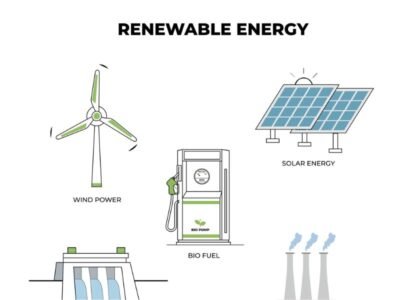
The environmental benefits of electric transportation can depend partly on how electricity is generated. Charging an electric vehicle with renewable energy can reduce reliance on fossil fuels. Solar, wind, and other renewable energy sources may become increasingly connected with electric mobility.
For example, homes with solar panels could potentially use generated electricity to charge compatible vehicles. Businesses could also combine renewable energy systems with charging infrastructure. The long-term growth of sustainable transportation will therefore be closely connected to the development of cleaner energy systems.
Electric Mobility and Public Transportation
Public transportation could play a major role in the future of electric mobility. Electric buses and rail systems can transport large numbers of people while reducing local emissions from traditional fuel-powered vehicles. As cities grow, efficient public transportation becomes increasingly important. Electrification can help modernize these systems while supporting broader environmental goals.
However, successful public transportation requires more than electric vehicles. It also depends on reliable schedules, accessible routes, affordable prices, and good infrastructure. Technology should support better transportation experiences rather than simply changing the power source.
Challenges Facing Electric Mobility
Despite its potential, Electric Mobility Moves face several challenges. The cost of some electric vehicles remains a concern for consumers. Charging infrastructure is not equally available everywhere, particularly in rural and developing areas. Battery production requires raw materials, which can create supply-chain and environmental challenges.
Electric grids may also need upgrades as more people begin charging vehicles. Governments and businesses will need long-term planning to address these issues. The transition to electric transportation is likely to happen gradually rather than overnight.
How Businesses Are Adapting
Businesses across multiple industries are adapting to electric mobility. Automakers are investing in new vehicle platforms and battery technology. Energy companies are developing charging networks. Logistics companies are exploring electric delivery fleets, while technology companies are developing software for connected transportation.
This creates new opportunities for innovation and employment. However, it also requires workers to develop new skills related to batteries, electric motors, software, charging infrastructure, and digital systems. The transportation industry is becoming increasingly connected to the technology sector.
The Future of Autonomous Electric Vehicles
Autonomous driving could eventually become another part of future mobility technology. Electric and autonomous systems may work well together because modern electric vehicles already depend heavily on digital controls and sensors. Self-driving technology could potentially improve transportation services, logistics, and mobility for people who are unable to drive.
However, autonomous transportation still faces significant technical, safety, legal, and regulatory challenges. The future will depend on how reliably these systems perform in real-world environments. Electric mobility and autonomous technology may develop alongside each other, but widespread adoption will require public trust.
What Consumers Can Expect
Consumers can expect more choices in the electric transportation market. Vehicle manufacturers are likely to continue introducing new electric models at different price levels. Charging infrastructure may become more accessible, while batteries could continue improving in performance. Electric bikes, scooters, and other small mobility devices may also become more common in urban areas.
The biggest changes may not happen all at once. Instead, transportation will likely evolve gradually as technology improves and infrastructure expands.
Why Electric Mobility Matters
Electric Mobility Moves matter because transportation affects daily life, economies, energy systems, and the environment. A successful transition toward electric transportation could reduce local air pollution and decrease dependence on traditional fossil fuels. At the same time, the shift could create new industries around batteries, software, charging networks, renewable energy, and connected transportation.
The future of mobility will depend on more than individual vehicles. It will involve entire systems working together to make transportation cleaner and more efficient.
Conclusion
Electric Mobility Moves represent an important shift in the future of transportation. From electric cars and buses to e-bikes, charging networks, and connected mobility systems, the transportation industry is changing rapidly. Electric vehicles are becoming more practical as battery technology improves, while sustainable transportation is encouraging cities and businesses to rethink how people and goods move. At the same time, future mobility technology is combining electricity, artificial intelligence, connectivity, and renewable energy to create smarter transportation systems. Although challenges involving infrastructure, affordability, batteries, and energy remain, electric mobility is likely to play an increasingly important role in how people travel in the years ahead.
FAQs
What does Electric Mobility Moves mean?
Electric Mobility Moves refers to the transition toward electric and low-emission transportation, including electric cars, buses, bikes, scooters, trucks, and charging infrastructure.
What are electric vehicles?
Electric vehicles are vehicles powered primarily by electric motors and rechargeable batteries rather than traditional gasoline or diesel engines.
Why is sustainable transportation important?
Sustainable transportation can help reduce local air pollution, improve energy efficiency, and reduce dependence on fossil fuels.
What is future mobility technology?
Future mobility technology includes advanced transportation innovations such as electric vehicles, smart traffic systems, connected cars, autonomous vehicles, advanced batteries, and intelligent charging networks.
Are electric vehicles better for the environment?
Electric vehicles can reduce direct tailpipe emissions. Their overall environmental impact also depends on factors such as electricity generation, manufacturing, and battery production.
What is the biggest challenge facing electric mobility?
Major challenges include charging infrastructure, vehicle affordability, battery technology, electricity-grid capacity, and access to charging in different locations.

COMMENTS