
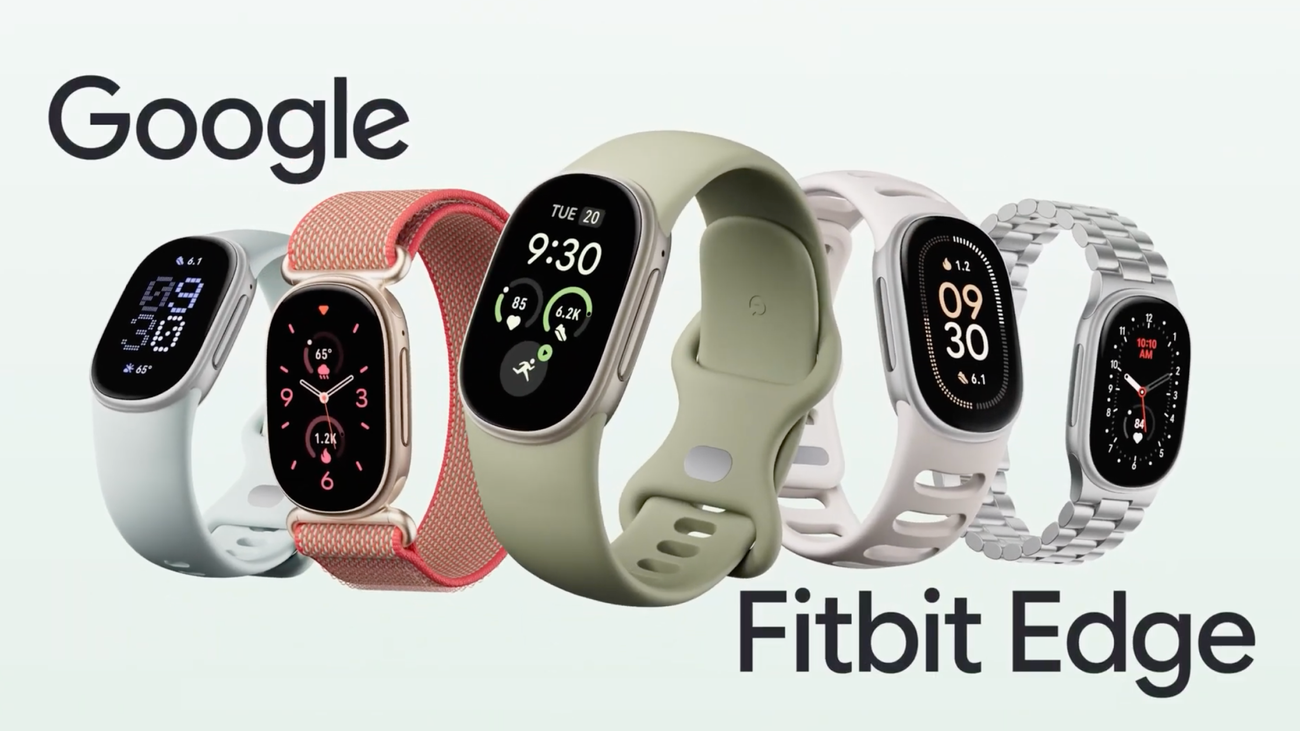
Choosing the right fitness tracker can make it easier to monitor daily activity, improve workout routines, and understand sleep patterns. The Google F
Choosing the right fitness tracker can make it easier to monitor daily activity, improve workout routines, and understand sleep patterns. The Google Fitbit Edge is a new fitness wearable designed for people who want detailed health insights without wearing a large smartwatch. With built-in GPS, a bright color display, advanced health sensors, and a battery that can last up to seven days, it offers several features for everyday use. However, its price and subscription-based coaching features raise an important question: is it worth buying in 2026? The answer depends on your fitness goals, budget, and the features you expect from a wearable.
Google Fitbit Edge Features and Design
The company says the device comes equipped with “a 1.34-inch AMOLED color display,” as well as a “lightweight aluminum housing” and a physical side button. This aims to make fitness information much simpler to access when you are constantly on the move — whether that’s out for a jog, at your desk working on an important presentation, or trying to find your keys after falling asleep on the couch. The goal here seems to be to create a very slim yet attractive design that should feel great while wearing it through workouts, work, and everything in between.
On top of its elegant appearance, there are some impressive technical specs underneath the hood, too. The Fitbit Edge has support for over 40+ exercises (and will automatically detect what kind of activity you’re doing), plus integrated GPS capabilities, allowing you to easily track all sorts of outdoor activity, such as walking/running/cycling trails, without needing to rely on your mobile device’s internal location data. All told, these features help position this device nicely among those who want to ensure they have their workout stats always handy, right on their wrist. Cite refs={[“turn365433search0”, “turn365433search1”]} />
Google Fitbit Edge Health and Fitness Tracking
The health-monitoring feature helps you keep track of your vitals, including but not limited to heart rate, resting heart rate, blood oxygen level, sleep pattern, and skin temperatures. It offers ECG functionality and certain heart rhythm notification alerts in some areas and under particular conditions.
Such features allow us to recognize patterns in our body’s health status by providing essential health indicators that we might be missing if not tracked through wearables regularly. If you’re a fitness enthusiast, the tracker can provide useful details on your workouts, such as steps, distance, pace, cardio load, and readiness. Workout summaries and other relevant information about your overall fitness status will help you create an overview of your progress and adjust your routine accordingly.
On top of that, the sleep-tracker module could give insights into how much time we spend sleeping and what kind of sleep quality we have during different phases of rest — crucial information for those who want optimal recovery between training sessions or general well-being improvement purposes! Again, remember that health metrics derived via wearables shouldn’t replace professional medical consultation at all times unless advised otherwise by qualified personnel within one’s personal network… So always seek guidance from certified physicians before making any major changes based solely upon readings collected remotely through gadgets alone.
Battery Life and Everyday Convenience
It’s important to consider battery life when purchasing a fitness tracker since this factor can significantly impact your overall experience. According to Google, the Fitbit Edge offers up to 7 days of usage before needing recharging. Of course, how much power you’re using affects everything from the time it takes to fully charge the phone to its usable lifespan (so if you have the always-on display option enabled and use GPS frequently, you’ll likely notice shorter intervals).
A full charge requires roughly 90 minutes according to Google’s specs but a brief 5 minute charging session will grant users a full day of battery life under the aforementioned conditions. Additionally, Fitbit devices are known for their ability to interact seamlessly with smartphones allowing you receive notifications and control various features directly from your watch. With support for quick reply functionality along side basic interactions like playing/pausing music playback & turning on/off location services via Google Maps this handy little companion provides many useful capabilities beyond what most people require from wearables today while still avoiding having commit yourself fully over smartwatch capabilities at-large – which is fine because sometimes simplicity reigns supreme!
Google Fitbit Edge Price and Subscription Costs
Google Fitbit Edge
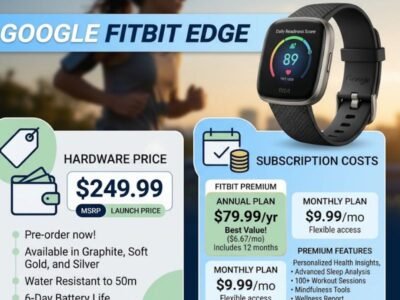
In conclusion, price plays a big role when you’re trying to decide if this product will be worth your money. According to Google’s US store listing for the Google Fitbit Edge, the tracker costs $179.99 pre-tax/pre-discounted, putting it into the mid-range fitness tracker territory instead of budget-level devices.
It’s worth noting that there are several premium service subscriptions available as well, which include features such as Google Health Coach personalization options like customized fitness plans. If basic activity-tracking and workout/sleep data are all you want then you might not need those, but if personalized training advice interests you then make sure to check out what kind of subscriptions work with this model first (and don’t forget about regional availability either).<cite 12>
Advantages and Disadvantages to Consider
There are some key advantages. The user-friendly display, integrated GPS, excellent health monitoring functions and battery which can last for several days are the main strong points of the device. Compatibility with a lot of existing Android and iOS smartphones makes the tracker easy to reach for many customers. Another positive design element is its capacity to utilize user replaceable batteries in order to increase its lifetime.
However, although the tracker offers many advantages, there are some disadvantages as well. It does not possess all the functions of an advanced smartwatch. In particular, it does not provide an option of paying with the help of NFC technology which might be disappointing for some consumers. Certain special coaching tools require a subscription as well. So, the potential customer should ascertain that he/she would need the advantages of the tracker and weigh pros and cons before purchasing it.
Who Should Buy Google Fitbit Edge in 2026
Google’s Fitbit Edge is a great pick for people who do regular walking, running, cycling, hitting the gym, or want to create healthier habits on everyday basis. It rewards people looking for a fitness tracker with a screen that encompasses GPS and health-related data without the need for a larger smartwatch with a range of apps.
It might not be the right choice for buyer looking for the lowest price, contactless payment methods, or modern smartwatch capabilities of taking calls right from the wrist. If you already have a recent fitness tracker that suits your needs, upgrading might not be a must. Comparing your favorite features can assist you with the decision.
Conclusion
Is the Google Fitbit Edge worth buying in 2026?
The Google Fitbit Edge might still be an excellent purchase for those interested in tracking their fitness goals with a high-quality device that offers several unique capabilities such as a bright display and built-in GPS. The Fitbit Edge also includes health monitoring tools while promising up to seven days’ worth of battery life.
At just $179.99, this could make it one of the best options available on today’s market for anyone looking into purchasing a fitness tracker but don’t forget about its lack of contactless payment support along with additional subscriptions needed to access certain types of advanced coaching features! Overall we think most individuals would benefit greatly from owning this model so long as they plan on utilizing all its various functions daily though those seeking either affordability alone or greater functionality through other models should look elsewhere first before committing financially towards acquiring another wearable gadget altogether.
FAQs
1. What is the price of Google Fitbit Edge in 2026?
Google lists the device at $179.99 in the United States, before applicable taxes, discounts, or regional pricing differences.
2. How long does the battery last?
Google advertises up to seven days of battery life. Actual results depend on settings, GPS use, display behavior, and other activities.
3. Does Google Fitbit Edge have built-in GPS?
Yes. Its built-in GPS supports outdoor activity tracking, including walks and runs, without relying entirely on a connected phone.
4. Does it require a subscription?
Basic tracking features are available through the device and Google Health app, while personalized coaching and certain advanced insights require Google Health Premium.
5. Is Google Fitbit Edge a smartwatch?
It offers some smartwatch-style conveniences, including notifications, quick replies, maps directions, and media controls. However, it is primarily a fitness tracker and does not include every feature of a full smartwatch.

COMMENTS