
Introduction Old photographs hold special memories of family gatherings, childhood moments, weddings, and important events. Unfortunately, printed pi
Introduction
Old photographs hold special memories of family gatherings, childhood moments, weddings, and important events. Unfortunately, printed pictures can become faded, blurry, scratched, or damaged over time. Digital copies of these photographs may also have low resolution, making faces and other details difficult to recognize. Fortunately, modern artificial intelligence tools can help improve the appearance of old pictures without requiring advanced editing skills. An AI Photo Enhancer Free tool allows users to improve image clarity, adjust details, reduce visual noise, and restore the appearance of photographs using automated technology. With the right approach, users can give their treasured memories a refreshed look and preserve them for the future.
What Is an AI Photo Enhancer Free Tool?
An AI photo enhancer is a digital tool that uses artificial intelligence to analyze an image and improve its visual quality. Unlike traditional photo editing, which often requires manual adjustments, AI-powered tools can automatically detect areas that need improvement.
When working with old photographs, these tools may help sharpen faces, improve contrast, reduce graininess, and enhance faded colors. Some platforms also offer image upscaling, scratch removal, and colorization features. However, the available features depend on the specific tool.
An AI Photo Enhancer Free option is particularly useful for beginners, students, families, and casual photographers who want to experiment with photo restoration without immediately paying for editing software.
Key Features of AI Photo Enhancement Tools
1. Image Sharpening
Old photographs sometimes lose their sharpness because of aging, poor scanning, or low-quality cameras. AI enhancement tools can improve visible edges and make important details appear clearer. This can be especially helpful when restoring portraits or scanned family pictures.
2. Resolution Upscaling
Some photographs are too small to display clearly on modern screens. AI upscaling increases image dimensions while attempting to preserve or reconstruct visual details. This feature can make older digital pictures more suitable for printing or displaying on larger screens.
3. Noise and Grain Reduction
Scanned images and older digital photographs may contain grain, speckles, or unwanted visual noise. AI tools can reduce these imperfections while attempting to preserve facial features, clothing textures, and background details.
4. Color and Contrast Correction
Photographs may lose their original colors after years of exposure to light, moisture, or unsuitable storage conditions. Enhancement tools can adjust brightness, contrast, and color balance to create a more natural appearance.
5. Scratch and Damage Removal
Certain photo restoration tools can reduce the appearance of scratches, dust marks, and small surface imperfections. More severely damaged images may require additional manual editing to achieve a satisfactory result.
Benefits of Using AI Photo Enhancer Free Tools
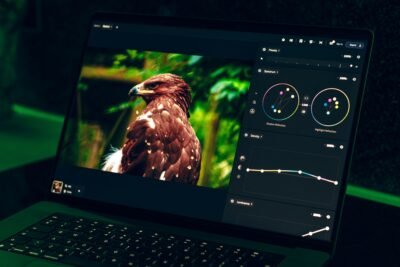
AI Photo Enhancer Free
One major advantage of an AI Photo Enhancer Free tool is convenience. Users can often improve photographs with only a few clicks instead of learning complicated editing software. This makes photo restoration accessible to people with little or no design experience.
Another benefit is time savings. AI can automate several editing tasks, including sharpening, noise reduction, and color adjustments. Rather than correcting every problem manually, users can begin with an automatically enhanced image and make additional changes if necessary.
These tools can also help families preserve personal memories. Digitizing old photographs and improving their appearance makes it easier to share them with relatives, include them in digital albums, or create printed collections. Small businesses and content creators may also use enhancement tools to improve older product photographs or archived visual material.
How to Restore Old Pictures Using AI
Restoring an old photograph with an AI tool is generally straightforward. Following a few simple steps can help produce better results.
Step 1: Choose a Suitable Tool
Select an online photo enhancer or restoration application that supports the features you need. Check whether it offers free image processing, acceptable output quality, and suitable privacy settings.
Step 2: Upload a Digital Photograph
Scan the printed photograph or use a clear digital copy. If scanning is available, choose a suitable resolution and ensure that the picture is clean and properly positioned.
Step 3: Select Enhancement Features
Choose the available options, such as sharpening, color correction, noise reduction, or scratch removal. Some tools apply automatic improvements without requiring individual settings.
Step 4: Review the Enhanced Image
Compare the original photograph with the processed version. Look closely at faces, eyes, hair, clothing, and background details. If the image looks unnatural, reduce the enhancement level or try another setting.
Step 5: Download and Preserve the Result
Save the enhanced image in a suitable format, such as JPEG or PNG, depending on your intended use. Keep an untouched copy of the original photograph so you can return to it whenever necessary.
Limitations of AI Photo Restoration
Although AI technology can improve many photographs, it cannot always recover the exact details of an original image. When a face is heavily blurred or an important section is missing, the software may generate details based on patterns rather than recover authentic information.
This is particularly important when restoring historical photographs. Enhanced facial features, clothing textures, or background objects may not accurately represent the original scene. Users should treat reconstructed details as estimates rather than guaranteed historical facts.
Free tools may also impose restrictions on image size, processing speed, daily usage, or download quality. Some services add watermarks or require an account. Before uploading personal photographs, review the platform’s privacy policy and avoid services that do not explain how uploaded images are handled.
Conclusion
An AI Photo Enhancer Free tool can be a practical option for improving old and damaged pictures. Features such as image sharpening, resolution upscaling, noise reduction, color correction, and scratch removal can help photographs look clearer and more presentable. These tools are particularly useful for preserving family memories and preparing older images for digital albums or printing. However, AI restoration is not perfect, and reconstructed details may differ from the original photograph. By choosing a suitable tool, reviewing the results carefully, and keeping backup copies, users can preserve their memories while making the most of modern photo enhancement technology.

COMMENTS