
Introduction Power outages can happen without warning due to severe weather, grid failures, or maintenance issues. While short outages may be inconve
Introduction
Power outages can happen without warning due to severe weather, grid failures, or maintenance issues. While short outages may be inconvenient, extended power loss can disrupt daily life, damage appliances, and even pose safety risks. This is why many homeowners invest in whole house generators. Unlike portable generators, a home standby generator automatically restores electricity to your home within seconds of a power outage. This guide explains the benefits, costs, installation process, and maintenance requirements of a reliable backup power system.
What Is a Whole House Generator?
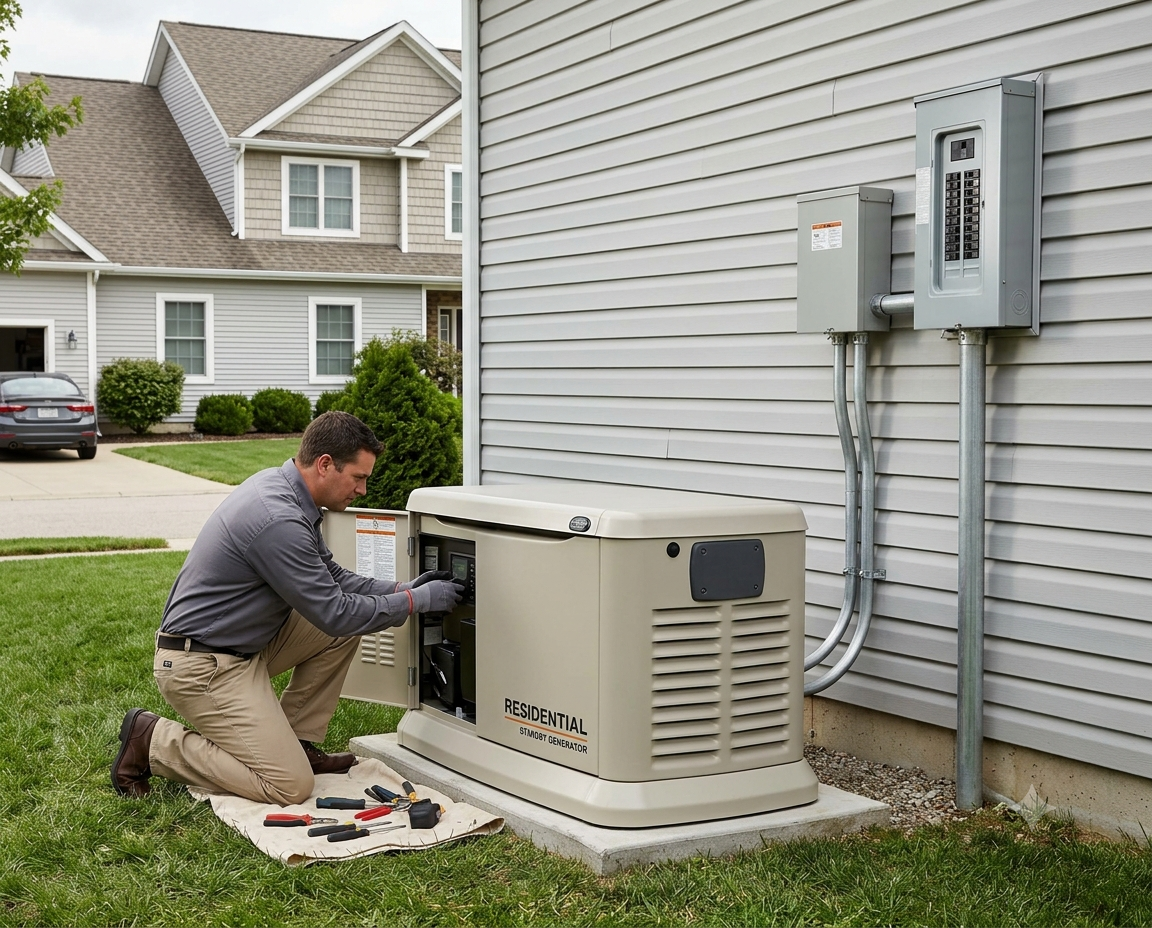
A whole-house generator, also known as a standby generator, is a permanently installed backup power system that automatically supplies electricity when the main utility power fails.
These generators are typically connected to:
- Natural gas lines
- Propane tanks
- Diesel fuel systems (in some cases)
An automatic transfer switch detects a power outage and starts the generator without requiring manual operation.
This ensures your home’s essential systems continue operating even during extended outages.
Benefits of Whole House Generators
Installing a whole-house generator offers several important advantages.
Automatic Power Restoration
Unlike portable generators, standby systems start automatically within seconds after a power outage.
Whole-Home Protection
A properly sized generator can power:
- Heating and cooling systems
- Refrigerators and freezers
- Lighting
- Medical equipment
- Home security systems
- Internet and communication devices
Increased Safety
Automatic generators eliminate the need to handle extension cords or manually start equipment during emergencies.
Greater Convenience
Homeowners can continue daily activities with minimal interruption during outages.
Higher Property Value
A professionally installed backup power system may increase the appeal and value of your home.
How Home Standby Generators Work
A home standby generator operates through a simple automated process.
Step 1: Utility Power Fails
The automatic transfer switch detects the power outage.
Step 2: Generator Starts
Within seconds, the generator engine starts automatically.
Step 3: Power Transfer
The transfer switch disconnects the home from the electrical grid and safely transfers power to the generator.
Step 4: Utility Power Returns
Once utility service is restored, the transfer switch reconnects your home to the grid and shuts down the generator.
This seamless process requires little or no homeowner intervention.
Choosing the Right Generator Size
Selecting the correct generator size is essential for reliable performance.
Factors to consider include:
- Home size
- Number of electrical appliances
- HVAC systems
- Water heaters
- Medical equipment
- Future energy needs
Small homes may require generators in the 10–14 kW range, while larger homes often need systems rated at 20–30 kW or more.
A professional load assessment helps determine the appropriate generator capacity.
Installation Process
Whole house generators
Professional installation ensures safe and reliable operation.
The installation process generally includes:
Site Evaluation
Technicians inspect the property to identify the best generator location.
Electrical Planning
An electrician prepares the electrical connections and installs the automatic transfer switch.
Fuel Connection
The generator is connected to the home’s natural gas or propane supply.
System Testing
The complete system is tested to verify proper operation before use.
Professional installation also ensures compliance with local electrical and building codes.
Cost of Whole House Generators
The total investment depends on several factors.
These include:
- Generator size
- Fuel type
- Installation complexity
- Electrical upgrades
- Transfer switch installation
- Local labor costs
Although installation costs can be high, many homeowners consider the investment worthwhile due to increased reliability and peace of mind.
Obtaining multiple quotes from licensed installers can help compare pricing and available options.
Generator Maintenance
Routine maintenance is essential for keeping a standby generator in good working condition.
Maintenance typically includes:
- Oil changes
- Air filter replacement
- Battery inspection
- Fuel system checks
- Coolant inspection
- Automatic self-test verification
Many generators perform regular self-diagnostic tests automatically, helping identify potential issues before an emergency occurs.
Following the manufacturer’s maintenance schedule improves long-term reliability.
Fuel Options
Whole-house generators commonly use one of three fuel sources.
Natural Gas
- Continuous fuel supply
- Low maintenance
- No on-site fuel storage required
Propane
- Long storage life
- Suitable for areas without natural gas service
- Reliable during extended outages
Diesel
- High power output
- Common in commercial applications
- Requires fuel storage and regular maintenance
Choosing the right fuel depends on availability, budget, and local infrastructure.
Future Trends in Backup Power Systems
Backup power technology continues evolving to improve performance and efficiency.
Emerging innovations include:
- Smart generator monitoring
- Mobile app controls
- Quieter operation
- Improved fuel efficiency
- Hybrid battery-generator systems
- Renewable energy integration
These advancements provide homeowners with more convenient and environmentally friendly backup power solutions.
Conclusion
Whole-house generators provide dependable protection against unexpected power outages by automatically supplying electricity to your home when utility service is interrupted. Whether you choose a home standby generator powered by natural gas or propane, investing in a reliable backup power system improves safety, comfort, and peace of mind.
With proper sizing, professional installation, and regular maintenance, a standby generator can deliver years of reliable service while protecting your family, home, and valuable appliances during emergencies.
FAQs
1. What is a whole house generator?
A whole house generator is a permanently installed standby power system that automatically supplies electricity during utility power outages.
2. How does a home standby generator work?
It uses an automatic transfer switch to detect power loss, start the generator, and safely power the home until utility service returns.
3. What fuel do standby generators use?
Most residential standby generators operate on natural gas or propane, while some larger systems use diesel fuel.
4. How often should a standby generator be maintained?
Most manufacturers recommend annual maintenance or servicing after a specified number of operating hours, along with regular automatic self-tests.
5. Is professional installation necessary?
Yes. Professional installation ensures the generator is safely connected to your home’s electrical system, complies with local regulations, and operates reliably during power outages.

COMMENTS