
Introduction The world of digital design is evolving faster than ever, and one of the biggest drivers of this transformation is artificial intelligen
Introduction
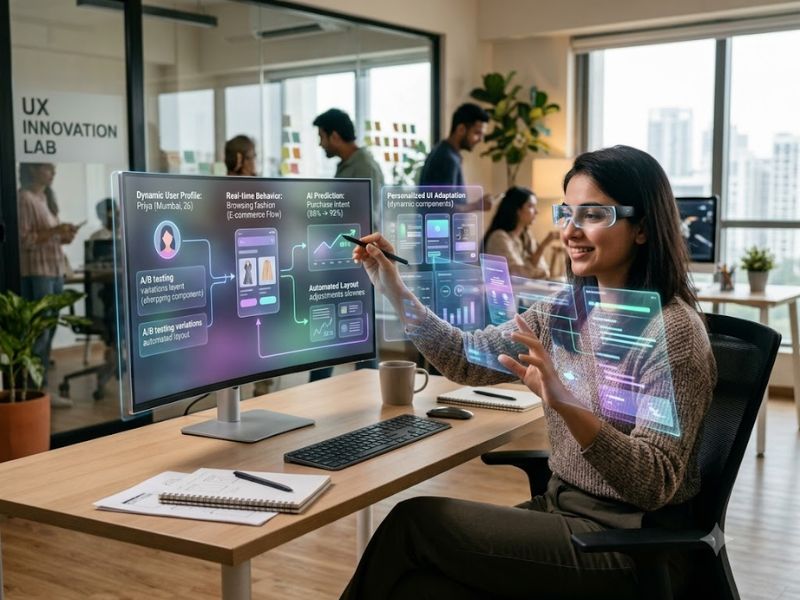
The world of digital design is evolving faster than ever, and one of the biggest drivers of this transformation is artificial intelligence. Businesses are constantly searching for ways to create more engaging, personalized, and efficient user experiences. As a result, AI is revolutionizing UX design in 2026 by helping designers understand user behavior, automate repetitive tasks, and create highly customized digital experiences. What once required hours of manual research and testing can now be achieved in minutes through advanced AI tools. From websites and mobile applications to enterprise software platforms, artificial intelligence is becoming a key component of modern design strategies. As technology continues to advance, designers who embrace AI-powered solutions are gaining a significant advantage in creating user-centered products.
The Rise of AI-Powered UX Design
One of the most significant developments in recent years is the growth of AI-powered UX design. Traditional UX processes often involve extensive research, user testing, wireframing, and continuous optimization. While these activities remain important, artificial intelligence is helping streamline many aspects of the design workflow.
AI systems can analyze massive amounts of user data to identify patterns and preferences that might otherwise go unnoticed. These insights allow designers to make more informed decisions about layouts, navigation structures, and content placement. Instead of relying solely on assumptions, teams can use data-driven recommendations to improve user satisfaction and engagement.
As businesses compete to deliver better digital experiences, AI-powered UX design is becoming an essential tool for creating products that meet evolving customer expectations.
How Artificial Intelligence in Design Improves Personalization
Personalization has become one of the most important aspects of user experience. Modern users expect websites and applications to adapt to their needs, preferences, and behaviors. This is where artificial intelligence in design plays a transformative role.
AI algorithms can analyze user interactions in real time and deliver personalized experiences based on browsing history, location, device usage, and individual preferences. For example, an e-commerce platform can recommend products tailored to a user’s interests, while a streaming service can suggest content based on previous viewing habits.
This level of personalization improves user satisfaction and increases engagement. When users feel that a platform understands their needs, they are more likely to remain active, complete desired actions, and develop long-term loyalty to the brand.
UX Design Automation Is Changing Workflows
One of the most practical benefits of AI is UX design automation. Designers often spend significant time on repetitive tasks such as creating layouts, organizing content, generating prototypes, and conducting usability tests.
AI-powered tools can automate many of these activities, allowing design teams to focus on creativity and strategic decision-making. Automated systems can generate wireframes, suggest design improvements, identify usability issues, and even create multiple interface variations for testing.
This automation not only saves time but also improves efficiency. Organizations can accelerate product development cycles and bring new digital experiences to market faster than ever before.
As AI technology continues advancing, UX design automation is expected to become even more sophisticated and widely adopted.
Predictive Analytics and User Behavior Insights
Understanding user behavior has always been a fundamental part of UX design. Artificial intelligence enhances this process by providing predictive analytics capabilities that help designers anticipate user needs before they arise.
AI systems can analyze historical data and predict future behaviors, allowing businesses to optimize user journeys proactively. For example, predictive models may identify where users are likely to abandon a process or encounter difficulties.
By addressing these issues before they become major problems, companies can improve conversion rates and create smoother user experiences. Predictive analytics also helps businesses make data-driven decisions that improve long-term product performance.
The ability to anticipate user needs is one of the reasons why AI is revolutionizing UX design in 2026.
AI and Accessibility in User Experience
AI Is Revolutionizing UX Design in 2026
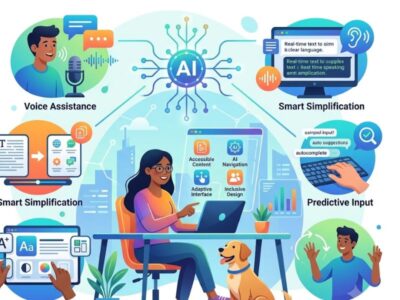
Accessibility is becoming a major priority for businesses seeking to create inclusive digital experiences. AI contributes significantly by helping designers identify and address accessibility challenges more efficiently.
Advanced tools can automatically evaluate interfaces for accessibility issues, suggest improvements, and ensure compliance with established standards. Features such as voice navigation, intelligent text adaptation, and automated caption generation make digital products more accessible to diverse audiences.
By integrating accessibility considerations into the design process, organizations can serve a broader user base while improving overall usability. AI makes it easier to create experiences that are both inclusive and effective.
Challenges of Artificial Intelligence in Design
Despite its many advantages, artificial intelligence in design also presents certain challenges. One concern is the potential overreliance on automated systems. While AI can provide valuable recommendations, human creativity and empathy remain essential components of successful UX design.
Privacy is another important consideration. AI systems often rely on large amounts of user data to generate insights and personalization features. Organizations must ensure that data is collected and used responsibly while complying with privacy regulations.
Additionally, businesses should avoid treating AI as a complete replacement for human designers. The most successful approaches combine AI-driven efficiency with human-centered design thinking.
The Future of AI-Powered UX Design
The future of AI-powered UX design looks incredibly promising. Emerging technologies such as generative AI, conversational interfaces, emotion recognition, and adaptive user experiences are expected to reshape how digital products are created and experienced.
Future systems may automatically generate complete interfaces based on user requirements, continuously optimize experiences in real time, and provide highly personalized interactions for every individual user.
As these innovations become more accessible, businesses of all sizes will have opportunities to deliver smarter and more engaging digital experiences. Designers who embrace these tools will be better prepared to meet evolving customer expectations and remain competitive in a rapidly changing market.
Conclusion
There is no doubt that AI is revolutionizing UX design in 2026. Through AI-powered UX design, businesses can create more personalized, efficient, and engaging digital experiences than ever before. The integration of artificial intelligence in design enables better decision-making, deeper user insights, and enhanced accessibility.
At the same time, UX design automation is helping teams work faster and focus on strategic creativity rather than repetitive tasks. As artificial intelligence continues to evolve, its influence on user experience design will only grow stronger. Businesses and designers who embrace AI today will be better positioned to create the next generation of innovative digital products.
FAQs
1. What is AI-powered UX design?
AI-powered UX design uses artificial intelligence technologies to improve user experiences through automation, personalization, and data analysis.
2. How does artificial intelligence in design improve personalization?
AI analyzes user behavior and preferences to deliver customized content, recommendations, and experiences.
3. What is UX design automation?
UX design automation involves using AI tools to perform repetitive design tasks such as prototyping, testing, and layout generation.
4. Can AI replace UX designers?
No. AI supports designers by automating tasks and providing insights, but human creativity and empathy remain essential.
5. Why is AI important for the future of UX design?
AI helps create smarter, more personalized, efficient, and accessible digital experiences that meet evolving user expectations.

COMMENTS