
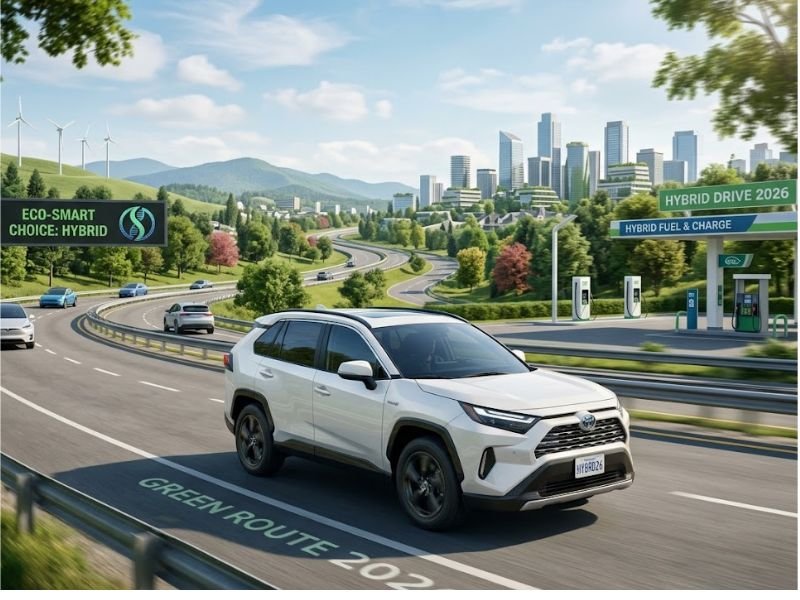
Introduction The automotive industry is rapidly moving toward cleaner and more efficient transportation, with electric vehicles receiving much of the
Introduction
The automotive industry is rapidly moving toward cleaner and more efficient transportation, with electric vehicles receiving much of the attention. However, Hybrid Vehicles Still Matter because they continue to offer a practical balance between traditional gasoline engines and electric power. Many drivers are not yet ready to switch completely to electric vehicles due to concerns about charging infrastructure, driving range, and vehicle costs. Hybrid electric vehicles provide an alternative by combining an internal combustion engine with an electric motor. This technology helps improve fuel efficiency while reducing emissions. As demand for fuel-efficient cars and sustainable transportation continues to grow, hybrid vehicles remain an important part of the global transition toward cleaner mobility.
What Are Hybrid Vehicles?
Hybrid vehicles use two different power sources to move the vehicle. Most commonly, they combine a gasoline engine with an electric motor and battery system.
The vehicle can switch between these power sources or use both together depending on driving conditions.
For example, the electric motor may support the vehicle during acceleration, while the gasoline engine provides additional power when needed.
The battery can also be charged through regenerative braking in many hybrid systems.
This process captures energy that would normally be lost during braking and uses it to recharge the battery.
As a result, hybrid electric vehicles can improve overall efficiency without requiring drivers to depend entirely on charging stations.
Why Hybrid Vehicles Still Matter in 2026
Hybrid Vehicles Still Matter because the transition from gasoline-powered cars to fully electric transportation will take time.
Although electric vehicle technology continues to improve, charging infrastructure is not equally available everywhere.
Some drivers live in apartments or areas where home charging is difficult.
Others regularly travel long distances and prefer the convenience of traditional fuel stations.
Hybrid vehicles offer flexibility during this transition.
Drivers can benefit from electric power while maintaining access to a conventional engine.
This makes hybrids a practical option for people who want better efficiency without making a complete change to an all-electric lifestyle.
Hybrid Electric Vehicles Offer Better Fuel Efficiency
One of the biggest advantages of hybrid technology is improved fuel economy.
Traditional gasoline engines consume fuel even in situations where an electric motor could operate more efficiently.
Hybrid systems reduce unnecessary fuel use by combining electric and gasoline power intelligently.
In city driving, hybrid vehicles can be especially efficient because frequent braking allows the battery to recover energy through regenerative braking.
The electric motor can also assist during low-speed driving.
This helps reduce fuel consumption and makes hybrid vehicles attractive to drivers looking for fuel-efficient cars.
Lower fuel consumption can also reduce long-term operating costs.
Hybrid Vehicles vs Fully Electric Cars
Fully electric vehicles and hybrid vehicles both contribute to cleaner transportation, but they serve different needs.
Electric vehicles operate entirely on battery power and require charging infrastructure.
Hybrid vehicles use a combination of fuel and electricity.
This means drivers do not need to depend completely on public charging stations.
Electric vehicles may offer zero tailpipe emissions during operation, while hybrids still use gasoline engines.
However, hybrids can reduce fuel consumption compared with traditional vehicles.
For many drivers, the decision depends on lifestyle, location, budget, and access to charging.
Both technologies can play important roles in the future of sustainable transportation.
The Different Types of Hybrid Vehicles
Not all hybrid systems work in the same way.
There are several types of hybrid vehicles available.
Mild Hybrid Vehicles
Mild hybrids use a small electric system to support the gasoline engine.
The electric motor generally cannot power the vehicle independently for long distances.
However, it can improve efficiency and support functions such as start-stop systems.
Full Hybrid Vehicles
Full hybrids can use the electric motor, gasoline engine, or both power sources depending on driving conditions.
These vehicles often provide greater fuel savings.
Plug-In Hybrid Vehicles
Plug-in hybrids have larger batteries that can be charged externally.
They can usually travel a certain distance using electric power before the gasoline engine becomes necessary.
Each option provides different levels of electrification.
Hybrid Vehicles and Sustainable Transportation
Sustainable transportation requires more than one solution.
The global automotive industry is extremely large, and different countries have different infrastructure and energy systems.
Electric vehicles are an important part of reducing transportation emissions, but hybrid technology can also help during the transition.
Hybrid vehicles can reduce fuel use without requiring major changes to charging infrastructure.
They may also help drivers gradually become familiar with electric mobility.
For regions where charging networks are still developing, hybrids can provide a practical alternative.
This is one reason why hybrid technology remains relevant in discussions about sustainable transportation.
Why Fuel-Efficient Cars Remain Important
Fuel efficiency remains a major concern for drivers.
Fuel prices can change significantly, and operating a vehicle can become expensive.
Fuel-efficient cars help drivers reduce the amount of fuel needed for daily transportation.
Hybrid technology can improve efficiency by using electricity where it is most effective.
This is particularly useful for city driving and stop-and-go traffic.
For families and commuters, improved fuel economy can make a noticeable difference over time.
As consumers continue to look for affordable transportation options, hybrid vehicles offer an appealing balance between performance and efficiency.
Lower Range Anxiety With Hybrid Vehicles

Hybrid Vehicles Still Matter
One common concern among electric vehicle buyers is range anxiety.
Drivers may worry about running out of battery power before reaching a charging station.
Hybrid vehicles reduce this concern because they include a conventional fuel engine.
Even when battery power is limited, the vehicle can continue operating using gasoline.
This provides flexibility for long-distance travel.
Drivers can refuel at traditional fuel stations while still benefiting from electric assistance.
For people who frequently travel between cities or through areas with limited charging infrastructure, this can be a major advantage.
Hybrid Vehicles Still Matter for Everyday Drivers
Hybrid Vehicles Still Matter because many people need practical transportation rather than experimental technology.
Most drivers want a vehicle that is reliable, efficient, affordable, and easy to use.
Hybrid cars can meet these requirements without forcing major lifestyle changes.
There is no need to completely redesign daily routines around charging.
Drivers can simply refuel when necessary while benefiting from improved efficiency.
This convenience makes hybrids particularly attractive to families, commuters, and long-distance drivers.
Hybrid technology provides a middle ground between conventional gasoline vehicles and fully electric cars.
Are Hybrid Vehicles More Expensive?
The purchase price of a hybrid vehicle can sometimes be higher than a similar traditional gasoline model.
This is because hybrid systems include additional technology such as electric motors and battery systems.
However, improved fuel efficiency may help reduce operating costs over time.
The overall financial benefit depends on several factors, including fuel prices, driving habits, maintenance costs, and the purchase price.
Buyers should compare the total cost of ownership instead of focusing only on the initial price.
In some cases, a more fuel-efficient vehicle may provide long-term savings.
Maintenance and Reliability
Modern hybrid vehicles have been available for many years, and hybrid technology has become increasingly reliable.
Some drivers worry about battery replacement costs.
However, battery technology continues to improve, and manufacturers often provide warranties for hybrid components.
Hybrid vehicles may also reduce wear on certain components.
For example, regenerative braking can reduce the amount of traditional brake use in some driving conditions.
As with any vehicle, maintenance requirements vary by manufacturer and model.
Drivers should review warranty coverage and maintenance recommendations before making a purchase.
The Role of Hybrid Technology in the Future
The future of transportation will likely include multiple technologies.
Not every driver or country will transition to fully electric vehicles at the same speed.
Infrastructure development, electricity availability, consumer budgets, and government policies will influence adoption.
Hybrid vehicles can continue serving as an important transition technology.
They offer lower fuel consumption than conventional vehicles while avoiding some of the infrastructure challenges associated with full electrification.
The continued development of hybrid electric vehicles may also improve battery efficiency and vehicle performance.
How to Choose the Right Hybrid Vehicle
Before purchasing a hybrid vehicle, drivers should consider their daily needs.
Important factors include:
- Daily driving distance
- Fuel costs
- Access to charging
- Vehicle size
- Budget
- Long-distance travel requirements
- Maintenance and warranty coverage
A plug-in hybrid may be suitable for someone with reliable access to home charging.
A standard hybrid may be a better option for drivers who want improved efficiency without external charging.
The right choice depends on individual circumstances.
The Future of Hybrid Vehicles in 2026 and Beyond
Hybrid Vehicles Still Matter because the automotive industry is not moving toward a single solution overnight.
Electric vehicles will continue to grow, but hybrid technology remains useful for millions of drivers.
Automakers are continuing to improve hybrid systems with better batteries, more efficient engines, and advanced energy management.
Future hybrid models may provide even better fuel economy and lower emissions.
As governments and consumers focus on cleaner transportation, hybrid vehicles can remain part of a broader mobility strategy.
The transition to sustainable transportation is likely to involve electric, hybrid, and other emerging technologies working together.
Conclusion
Hybrid Vehicles Still Matter because they provide a practical and efficient bridge between traditional gasoline-powered cars and fully electric vehicles. Hybrid electric vehicles combine the benefits of electric motors with the flexibility of conventional engines, making them useful for drivers who are concerned about charging infrastructure and driving range. They also remain attractive to people looking for fuel-efficient cars and more sustainable transportation options. While electric vehicles will continue to play a major role in the future, hybrid technology offers an important alternative for today’s drivers. In 2026, hybrid vehicles remain a smart choice for people who want improved efficiency, flexibility, and a more gradual transition toward electric mobility.
FAQs
Why do hybrid vehicles still matter in 2026?
Hybrid vehicles remain important because they offer improved fuel efficiency while reducing dependence on charging infrastructure.
What are hybrid electric vehicles?
Hybrid electric vehicles combine a gasoline or traditional engine with an electric motor and battery system.
Are hybrid cars more fuel-efficient?
Yes. Many hybrid vehicles use electric power and regenerative braking to reduce fuel consumption.
What is the difference between a hybrid and a plug-in hybrid?
A standard hybrid usually charges its battery internally, while a plug-in hybrid can also be charged using an external power source.
Are hybrid vehicles better than electric vehicles?
Neither option is universally better. The right choice depends on driving habits, charging access, budget, and personal transportation needs.
Are hybrid vehicles good for sustainable transportation?
Hybrid vehicles can contribute to sustainable transportation by reducing fuel consumption and emissions compared with many traditional gasoline-powered vehicles.

COMMENTS