
Introduction The innovation of robotics has dramatically transformed multiple industries, but its impact on healthcare stands out as one of the most
Introduction
The innovation of robotics has dramatically transformed multiple industries, but its impact on healthcare stands out as one of the most revolutionary. From assisting surgeons in complex procedures to improving patient care and recovery, robotics is reshaping how medical services are delivered. Today, hospitals and clinics are increasingly adopting robotic technologies to enhance precision, efficiency, and patient outcomes. We will explore how robotics innovation in modern healthcare is redefining medical practices, improving patient experiences, and shaping the future of medicine.
What is Robotics Innovation in Healthcare?
Robotics innovation in healthcare refers to the integration of advanced robotic systems into medical environments to assist in diagnosis, treatment, surgery, and patient care. These robots are often powered by artificial intelligence (AI), sensors, and machine learning algorithms that allow them to perform tasks with remarkable accuracy. Unlike traditional machines, modern healthcare robots are designed to interact with humans, adapt to different situations, and even learn from data. This makes them an essential part of the ongoing digital transformation in healthcare.
The Evolution of Robotics in Medicine
The journey of robotics in healthcare began with simple automated machines. Over time, advancements in technology have led to the development of highly sophisticated robotic systems capable of performing delicate medical procedures. Initially, robots were used for repetitive tasks such as laboratory testing. Today, they are capable of:
- Assisting in minimally invasive surgeries
- Delivering medications
- Monitoring patient health
- Supporting rehabilitation
This rapid evolution highlights the growing importance of the innovation of robotics in the medical field.
Robotic Surgery: Precision and Accuracy
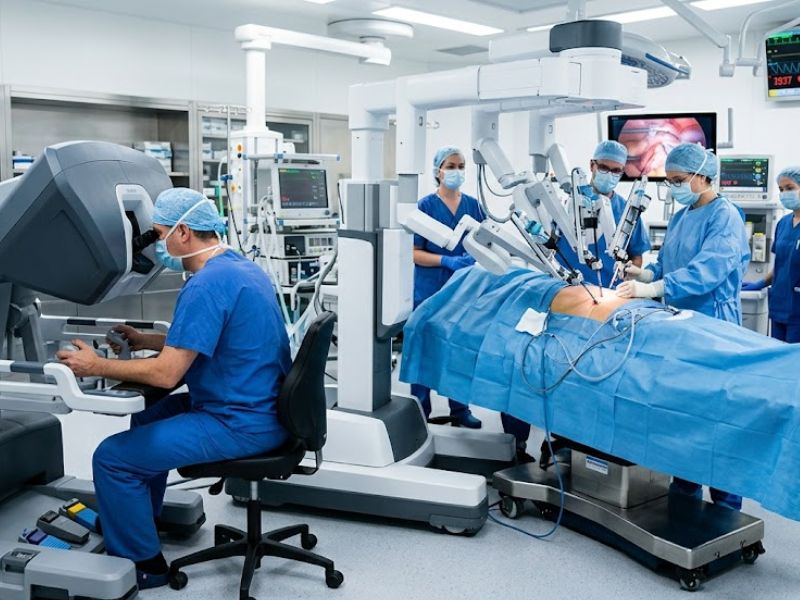
One of the most significant applications of robotics innovation is in robotic-assisted surgery. These systems allow surgeons to perform complex procedures with greater precision, flexibility, and control.
Benefits of Robotic Surgery
- Enhanced precision: Robots can perform delicate movements that are difficult for human hands
- Minimally invasive procedures: Smaller incisions lead to faster recovery
- Reduced risk of complications: Improved accuracy minimizes errors
- Shorter hospital stays: Patients recover more quickly
Robotic surgical systems are now widely used in procedures such as cardiac surgery, urology, and orthopedics, making them a cornerstone of modern healthcare innovation.
Robotics in Patient Care and Assistance
Beyond surgery, robotics innovation plays a vital role in improving patient care. Hospitals are using robots to assist nurses and healthcare staff in routine tasks, allowing them to focus more on patient interaction.
Examples of Patient Care Robots
- Robots that deliver medications and supplies
- Robotic assistants that help patients move or walk
- AI-powered companions for elderly care
These technologies not only improve efficiency but also enhance the overall patient experience by ensuring timely and accurate care.
Rehabilitation and Physical Therapy Robots
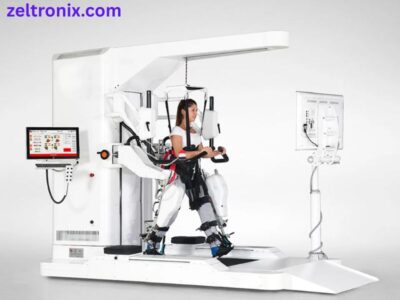
Rehabilitation is another area where the innovation of robotics is making a significant impact. Robotic devices are used to help patients recover from injuries, strokes, or surgeries.
Key Advantages
- Consistent therapy sessions
- Personalized rehabilitation programs
- Real-time progress tracking
For example, robotic exoskeletons enable patients with mobility impairments to walk again, providing both physical and psychological benefits.
Diagnostics and Medical Imaging
Robotics innovation is also transforming diagnostics and imaging. Robots equipped with advanced sensors and AI algorithms can analyze medical data with high accuracy.
Applications in Diagnostics
- Automated laboratory testing
- AI-driven imaging analysis
- Early disease detection
These advancements help doctors make faster and more accurate diagnoses, ultimately improving patient outcomes.
Pharmacy Automation and Medication Management
Managing medications is a critical aspect of healthcare, and robotics innovation has significantly improved this process.
How Robots Help in Pharmacies
- Automated dispensing of medications
- Accurate dosage management
- Reduced human error
Robotic systems ensure that patients receive the correct medications at the right time, enhancing safety and efficiency in healthcare facilities.
Telemedicine and Remote Surgery
The rise of telemedicine has been further enhanced by the innovation of robotics. Doctors can now perform procedures remotely using robotic systems, breaking geographical barriers.
Benefits of Remote Robotics
- Access to specialized care in remote areas
- Reduced need for patient travel
- Faster emergency response
This advancement is particularly beneficial in rural or underserved regions where access to healthcare is limited.
Challenges in Robotics Innovation in Healthcare
Despite its many advantages, the adoption of robotics in healthcare comes with certain challenges:
1. High Costs
Robotic systems are expensive to purchase and maintain, which can limit their accessibility.
2. Technical Complexity
Operating and maintaining these systems requires specialized training.
3. Ethical Concerns
Issues such as data privacy, patient safety, and job displacement need to be addressed.
4. Dependence on Technology
Over-reliance on robots may reduce human involvement in patient care. Addressing these challenges is essential for maximizing the benefits of robotics innovation.
Future Trends in Healthcare Robotics
The future of robotics innovation in healthcare looks incredibly promising. Emerging trends include:
- AI-powered humanoid robots assisting in hospitals
- Nanorobots for targeted drug delivery
- Advanced robotic prosthetics with enhanced functionality
- Smart hospitals are fully integrated with robotic systems
As technology continues to evolve, robotics will play an even more significant role in shaping the future of healthcare.
Impact on Healthcare Professionals
Robotics innovation is not replacing healthcare professionals but rather enhancing their capabilities. Doctors and nurses can focus more on critical decision-making and patient care while robots handle repetitive tasks.
Positive Impacts
- Reduced workload
- Improved efficiency
- Better work-life balance
This collaboration between humans and machines is creating a more effective healthcare system.
Conclusion
The innovation of robotics in modern healthcare is revolutionizing the way medical services are delivered. From surgical precision to improved patient care and advanced diagnostics, robotics is enhancing every aspect of healthcare. While challenges such as cost and ethical concerns remain, the benefits far outweigh the limitations. As technology continues to advance, robotics will become an integral part of healthcare systems worldwide, improving patient outcomes and saving lives.
FAQs
1. What is the role of robotics in modern healthcare?
Robotics plays a crucial role in surgery, patient care, diagnostics, and rehabilitation, improving accuracy and efficiency.
2. How does robotic surgery benefit patients?
Robotic surgery offers greater precision, smaller incisions, faster recovery, and reduced risk of complications.
3. Are healthcare robots replacing doctors?
No, robots are designed to assist healthcare professionals, not replace them.
4. What are the challenges of robotics in healthcare?
Key challenges include high costs, technical complexity, and ethical concerns.
5. What is the future of robotics in healthcare?
The future includes AI-powered robots, nanotechnology, and fully automated smart hospitals.

COMMENTS